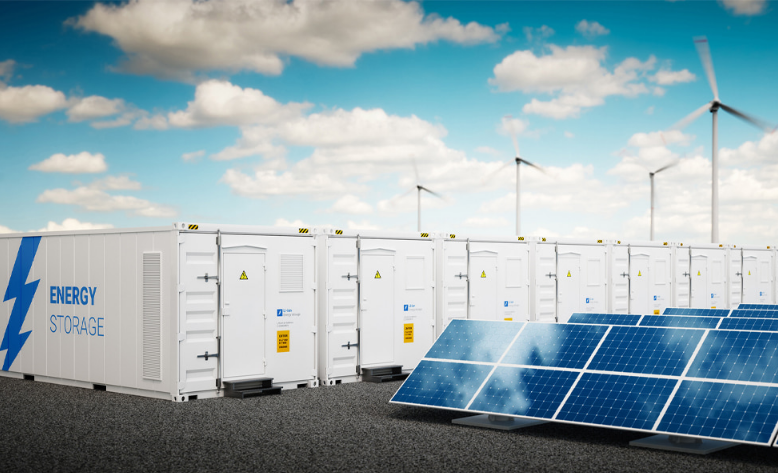
Global fuel price volatility, increasingly extreme weather patterns, and peak electricity pricing that is continuously adjusted based on real-time demand are placing industrial parks under growing pressure: how can manufacturers maintain stable operations while keeping energy costs under control? In this context, rooftop solar power — especially when integrated with Battery Energy Storage Systems (BESS) — is emerging not only as a cost-saving solution, but also as a pathway toward energy independence and green transition adaptation. Analysis by experts from Vietnam Energy Magazine.
New Pressures from the Energy Market and Load Structure
Recent developments in the global energy market are no longer cyclical disruptions; they are becoming the new normal. Coal, gas, and oil prices continue to fluctuate under the influence of geopolitical tensions, decarbonization policies, and global supply competition. As a result, electricity generation costs have become increasingly difficult to forecast, creating upward pressure on domestic electricity prices.
At the same time, climate change is significantly reshaping electricity consumption patterns. Prolonged heatwaves are driving daytime electricity demand higher — coinciding with the operating hours of most industrial facilities. To reflect these realities, peak and off-peak tariff schedules are becoming more dynamic instead of fixed as before. Consequently, electricity costs are not only rising, but also becoming less predictable.
For industrial parks — where power demand is large, continuous, and difficult to interrupt — this directly impacts production costs and overall competitiveness.
Energy Independence: From Cost Response to Long-Term Strategy
As energy risks intensify, businesses are shifting their mindset from simply “consuming electricity” to actively “managing energy.” Energy independence is no longer a distant concept, but an increasingly practical requirement to reduce exposure to external volatility.
This transition is becoming even more urgent as major export markets tighten carbon emission standards. Energy used in manufacturing is gradually becoming part of a product’s “carbon passport.” Businesses therefore need not only affordable and reliable electricity, but also clean and controllable energy sources.
Against this backdrop, rooftop solar power stands out as a highly suitable foundation. However, to maximize its potential, it must be integrated into a broader energy management ecosystem.
Rooftop Solar: The Foundation for Energy Independence
The suitability of rooftop solar for industrial parks lies in the operational alignment between solar generation and industrial consumption.
Solar systems generate the most electricity during daytime hours — precisely when industrial production demand peaks. This synchronization enables businesses to significantly reduce electricity purchases from the grid during daytime peak periods, lowering both operational costs and pressure on the national grid.
Industrial parks also possess a major advantage: vast factory rooftop areas that remain largely underutilized as energy assets. Installing rooftop solar systems requires no additional land, does not disrupt production, and can be implemented in phases.
More importantly, rooftop solar provides long-term cost stability. Once installed, businesses can reduce exposure to fuel price volatility and improve financial predictability.
BESS: The Missing Piece That Turns Solar into an Active Energy System
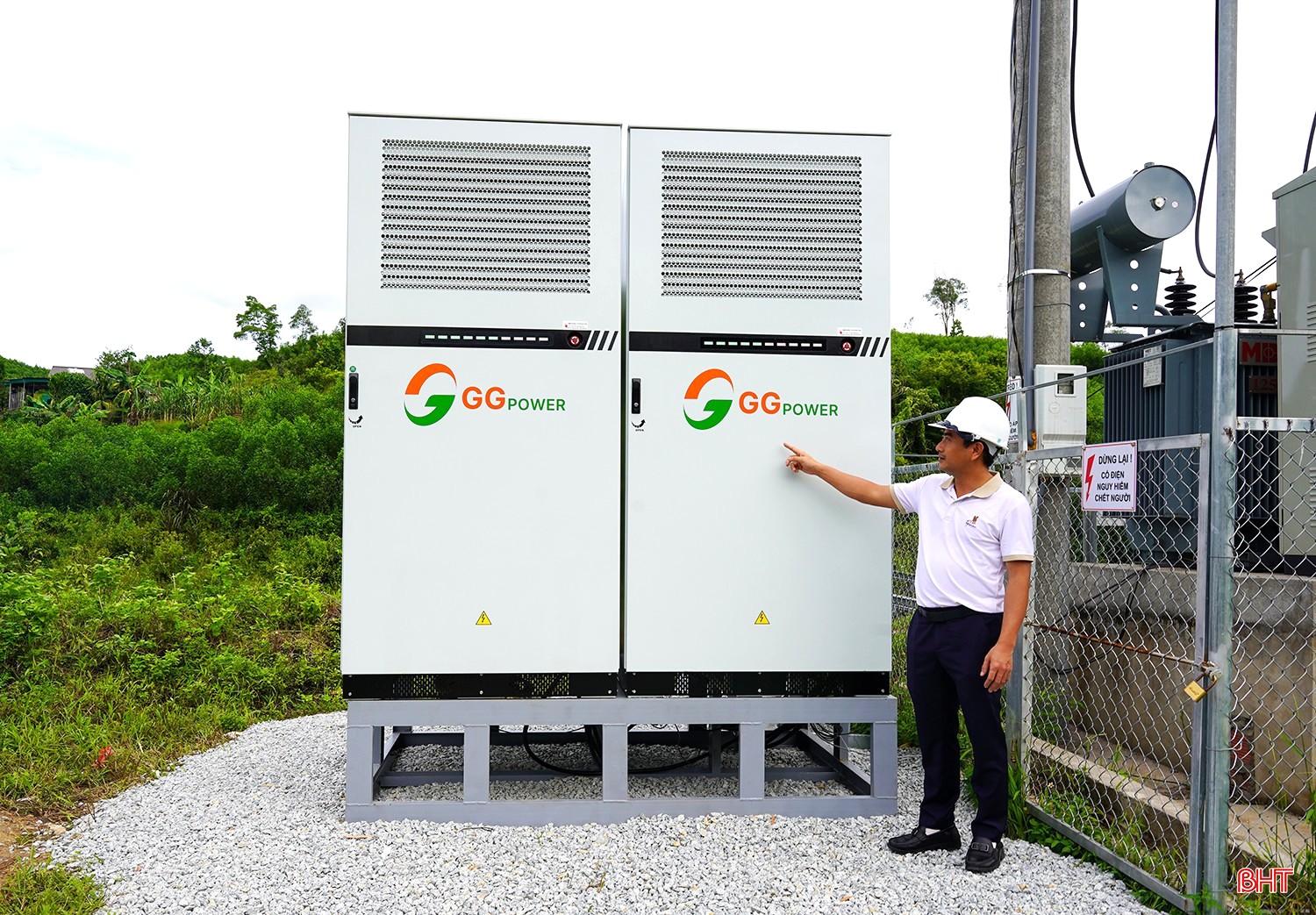
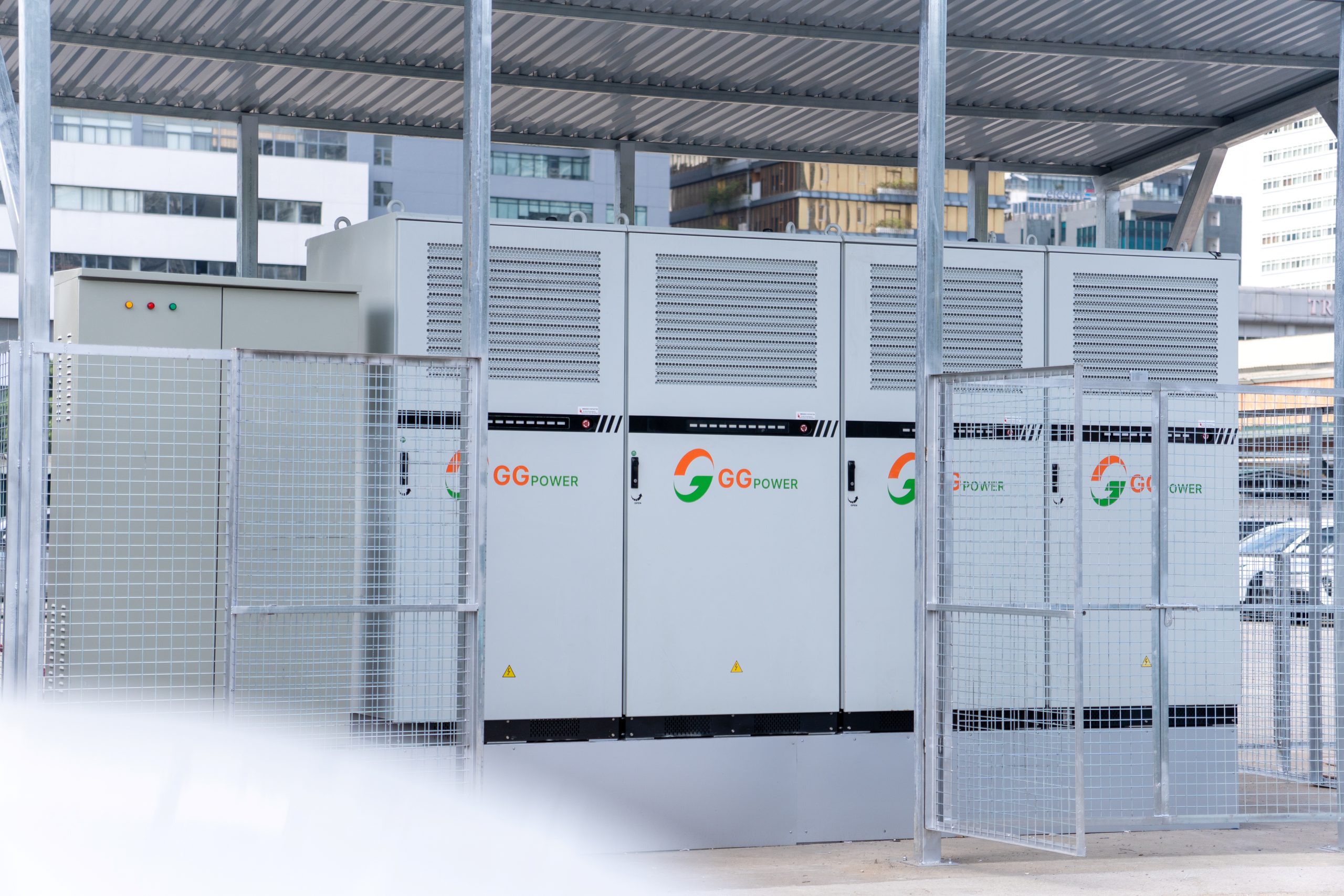
The biggest limitation of solar power is its intermittency and time dependency. Solar generation peaks at midday, while peak electricity pricing often occurs in the late afternoon or evening — especially as tariff schedules become more dynamic. It is within this timing mismatch that Battery Energy Storage Systems (BESS) become a critical solution.
When integrated with rooftop solar, BESS allows excess daytime solar energy to be stored and discharged during higher-cost periods. This not only increases solar self-consumption rates, but also enables “energy shifting” over time — a key factor in optimizing electricity costs under increasingly flexible pricing mechanisms.
More importantly, BESS helps businesses manage peak demand. Instead of relying entirely on grid electricity during peak hours, stored energy can be used to shave peak loads, reducing capacity charges and mitigating overload risks.
From an operational perspective, the combination of rooftop solar and BESS enhances the stability of internal power systems against grid fluctuations — a particularly important factor for industries requiring high operational reliability.
Toward an Industrial Energy Ecosystem
The integration of rooftop solar and BESS is not merely a technical solution; it represents a new approach to industrial energy systems.
Rather than depending entirely on centralized power infrastructure, industrial parks can gradually evolve into decentralized energy ecosystems, where electricity is generated, stored, and consumed on-site. In this model, solar power acts as the energy source, BESS functions as the balancing mechanism, and the national grid serves as a flexible supplementary supply.
At a more advanced level, microgrid models could emerge, enabling industrial parks to operate more flexibly, optimize costs in real time, and strengthen resilience against energy shocks.
Barriers That Need to Be Addressed
Despite strong potential, the deployment of rooftop solar combined with BESS in industrial parks still faces significant challenges.
The most critical issue is the lack of a sufficiently stable policy framework to support long-term investment decisions. Electricity pricing mechanisms, self-consumption regulations, and policies governing surplus electricity trading all require greater clarity and consistency.
In addition, the current grid infrastructure is not yet fully prepared to efficiently integrate and manage distributed energy resources, especially as the share of solar generation and storage continues to grow.
High upfront investment costs — particularly for energy storage systems — also remain a major barrier for many businesses. The limited availability of flexible financing models further constrains large-scale adoption.
Conclusion
In a world shaped by volatile fuel prices, increasingly extreme weather, and rapidly changing electricity demand patterns, the energy challenge facing industrial parks is no longer simply about securing power supply — it is about controlling costs and managing risk.
Rooftop solar power alone is already an effective solution. But when combined with energy storage systems, it becomes the foundation of a new energy model — one that is flexible, proactive, and highly adaptive.
In the future, industrial parks will no longer be merely consumers of electricity. They will increasingly become decentralized energy hubs, where factory rooftops generate not only products, but also power. Energy independence will no longer be a distant ambition, but a tangible competitive advantage shaped by investment decisions made today.
By Dr. Nguyễn Huy Hoạch – Scientific Council, Vietnam Energy Magazine