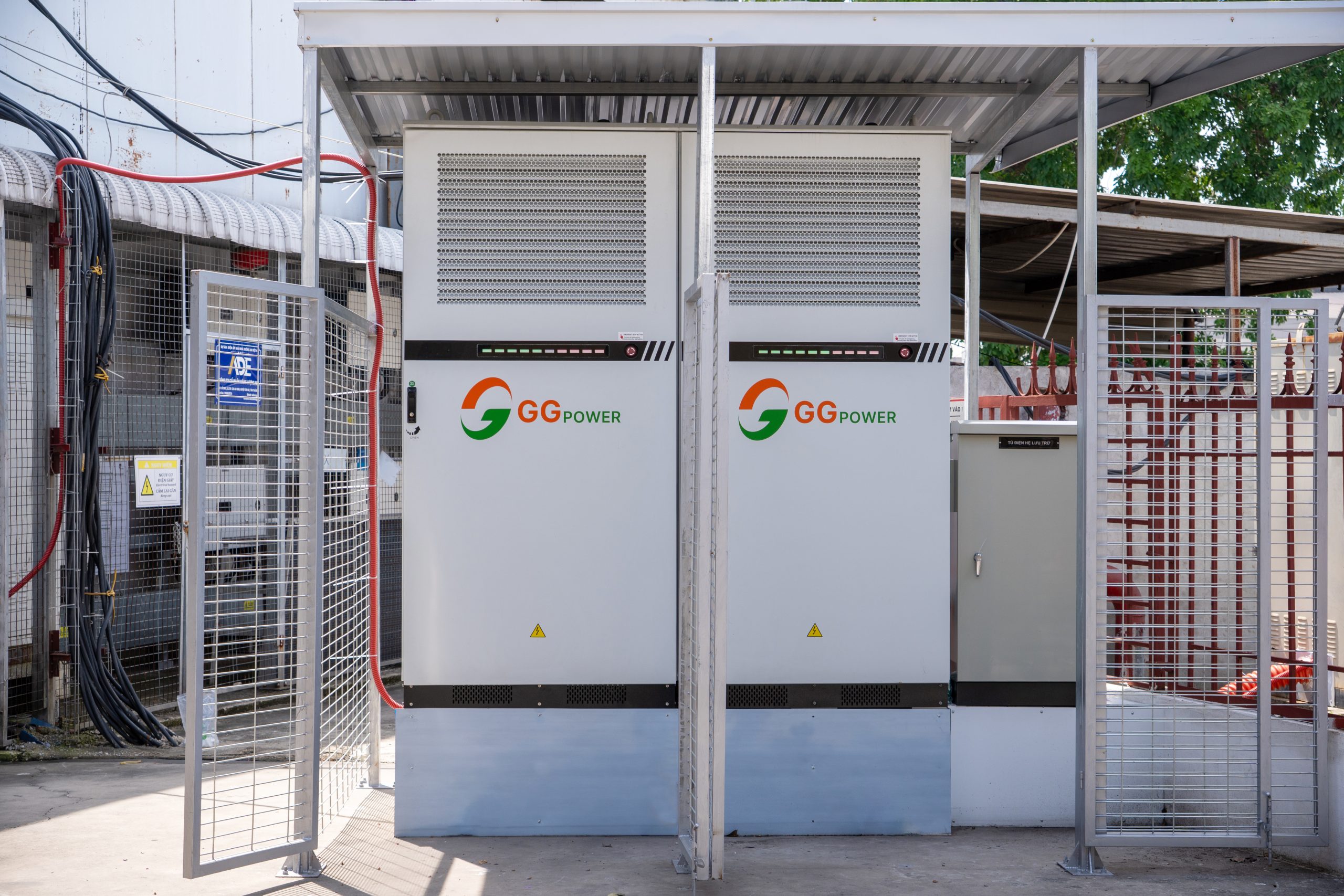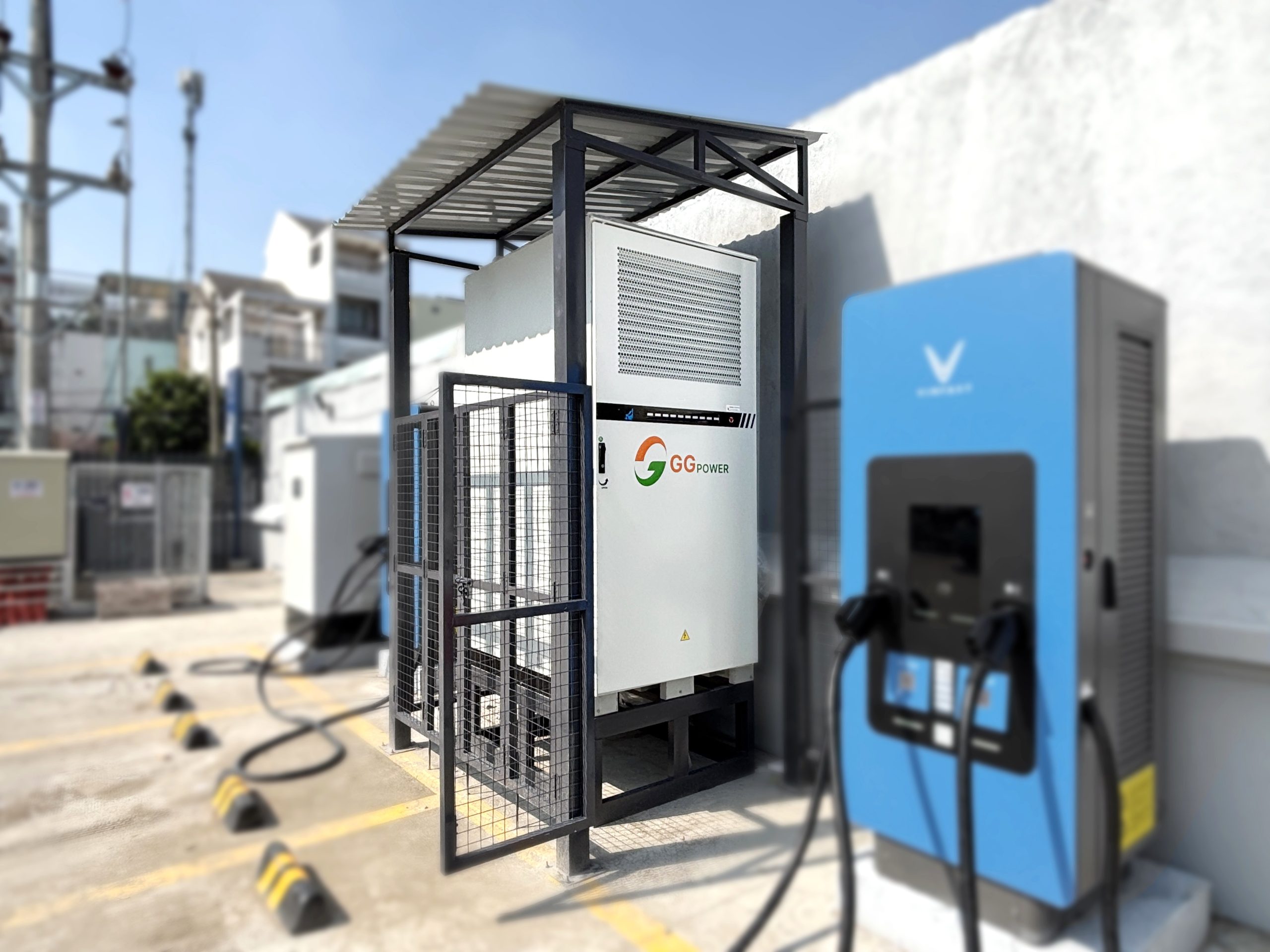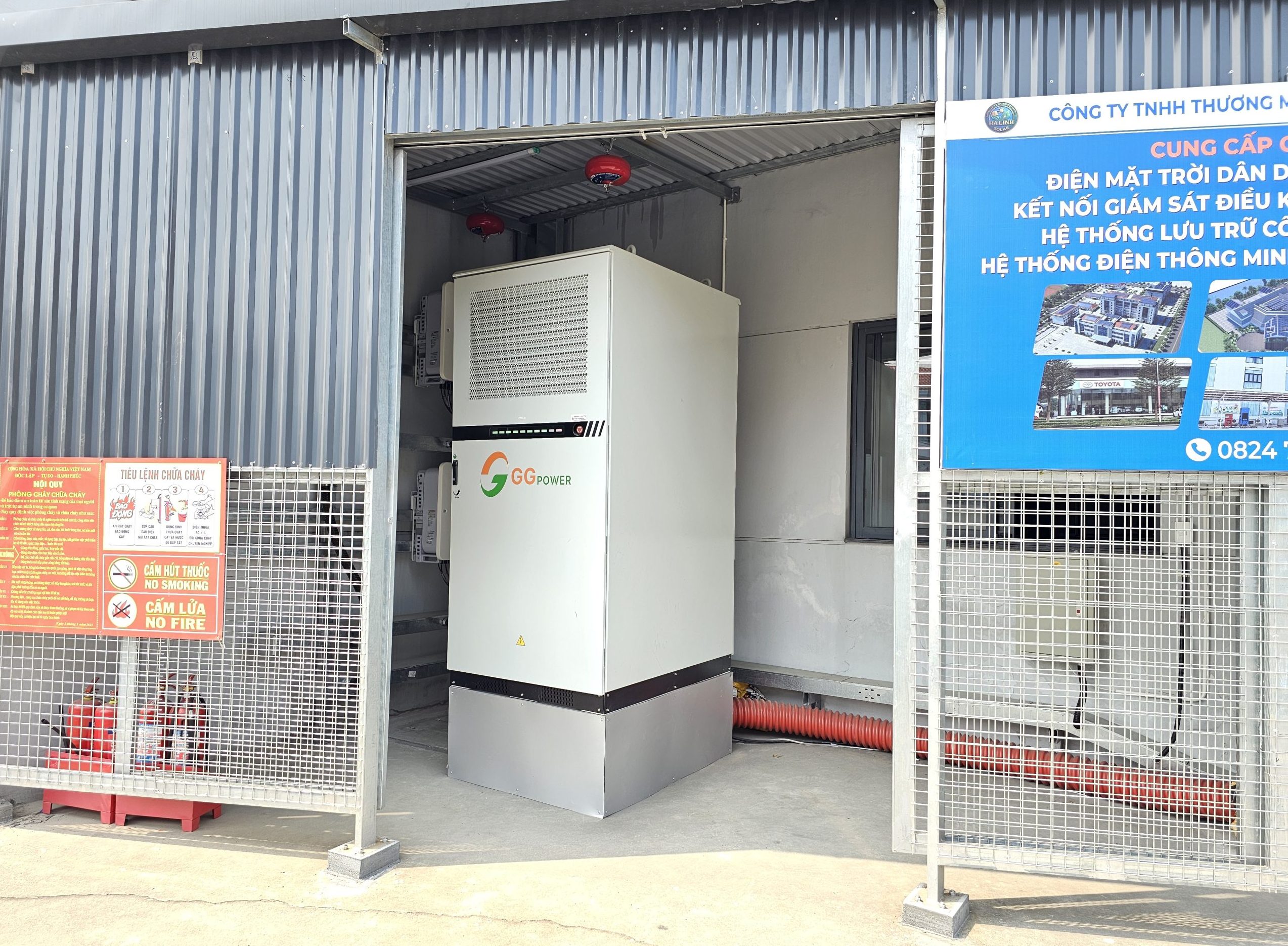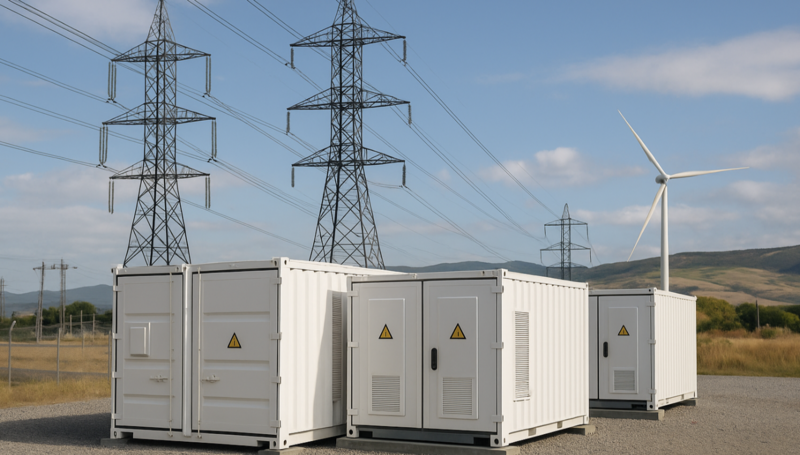
The global demand for energy storage batteries is rising rapidly, driven by the accelerating expansion of renewable energy, electrification trends, and the growing need for stable and reliable power system operations.
Scaling up production to meet growing demand.
The rapid expansion of renewable energy over the past decade has fundamentally reshaped the structure of the global power system. Solar and wind power now account for an increasingly significant share of installed capacity. However, their weather-dependent nature introduces greater complexity in maintaining grid stability and operational reliability.
In response to this trend, battery energy storage is emerging as a critical solution to ensure a stable and dispatchable power supply for modern electricity systems.
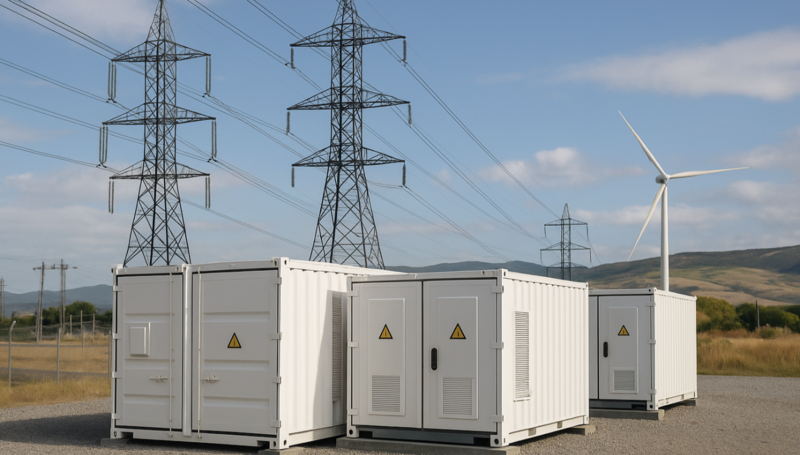
Global energy storage battery production is rising rapidly.
According to Wood Mackenzie, the total installed capacity of battery energy storage systems worldwide grew by 43% in 2025. This growth reflects the increasingly evident need of power systems to cope with the rapid expansion of renewable energy capacity, the electrification of transportation and industry, and the rising requirements for grid reliability.
Looking ahead, the global energy storage battery market is projected to grow at an average annual rate of 10.8% between 2024 and 2034, indicating that battery storage is no longer an emerging technology but is now entering large-scale deployment.
One of the key drivers behind this market expansion is the sharp decline in battery costs. Driven by economies of scale, technological improvements, and manufacturing standardization, the average global battery cost has fallen by around 90% since 2010, according to the International Energy Agency (IEA).
By the end of 2025, the average cost of a battery storage project globally had dropped to about USD 125 per kWh, with equipment accounting for roughly 60% of the total cost, while the remainder covers installation, grid connection, and system integration.
Rapid cost reductions have significantly broadened the application of battery storage, ranging from utility-scale projects to distributed systems serving load centers, industrial zones, and digital infrastructure facilities.
In the United States, demand for energy storage has surged as electricity consumption continues to rise, particularly from data centers, alongside the rapid expansion of solar and wind power. In 2025, installed battery storage capacity in the U.S. increased by more than 50% compared with the previous year, driven by strong renewable energy investments and supportive policy incentives.
In Europe, government support programs at both national and regional levels are accelerating battery storage deployment, particularly in markets with high shares of wind and solar generation. Meanwhile, emerging markets in the Middle East, Latin America, Africa, and Southeast Asia are expected to record the fastest growth in the coming years as countries expand power infrastructure and strengthen grid resilience.
On the supply side, global battery manufacturing capacity continues to expand rapidly. China remains a central player in the battery supply chain, spanning raw materials, refining, cell manufacturing, and complete system production.
Abundant supply has helped stabilize market prices and shorten delivery times. In the long term, industry experts expect battery prices to continue their downward trend, although short-term fluctuations may occur due to raw material costs and adjustments within the global supply chain.
Growth potential in Vietnam
The global trends outlined above provide important implications for Vietnam as it advances its energy transition. The revised Power Development Plan VIII (PDP8) identifies renewable energy—particularly solar and wind power—as a major component of the country’s future power generation mix. While this transition will help diversify energy supply and reduce dependence on fossil fuels, it also presents significant challenges in maintaining the stability and reliability of the power system.
In this context, battery energy storage is increasingly viewed as a critical component of the electricity system. According to the revised PDP8, battery storage is expected to support system operation and be deployed in combination with renewable energy sources. These systems will be distributed near wind and solar generation centers or integrated within the power grid at major load centers.
By 2030, Vietnam aims to reach 10,000–16,300 MW of battery storage capacity. Looking further ahead, the plan envisions 95,983–96,120 MW of storage capacity by 2050, reflecting the growing share of renewable energy in the national power system.
Compared with many countries in the region, Vietnam has a clear advantage in terms of the rapid expansion of renewable energy and the scale of its power system. This creates substantial opportunities for the deployment of Battery Energy Storage System (BESS) projects, both at the utility-scale grid level and in distributed applications. As global battery costs continue to decline, the economic viability of storage projects in Vietnam is expected to improve, particularly in the context of rising electricity demand and increasing requirements for power quality and reliability.
According to Minh Nguyen, Country Director for Vietnam at the Global Energy Alliance for People and Planet (GEAPP), the organization has recently worked closely with international development partners and domestic authorities to provide technical support for battery energy storage development. Current discussions focus on establishing pricing mechanisms for BESS, enabling participation in ancillary services markets, and defining the role of battery storage in power system operations. These topics are being studied to help refine Vietnam’s regulatory and policy framework.
Developing an appropriate market mechanism for BESS is considered a key factor in attracting private investment. Globally, many battery storage projects generate revenue not only through electricity price arbitrage but also by providing ancillary services, such as frequency regulation, voltage stabilization, and reserve capacity. These experiences offer valuable lessons for Vietnam as it continues to develop a more competitive and mature electricity market.
Starting from 2026, the Global Energy Alliance for People and Planet aims to continue coordinating the BESS Working Group, conducting in-depth studies to support power sector regulation and policymaking. At the same time, the alliance plans to promote pilot projects and expand BESS deployment, gradually advancing Vietnam’s long-term goal of developing large-scale battery storage capacity nationwide.
Source: Lê An – Vietnam Economic News