Vietnam’s electricity demand is growing rapidly. However, the core challenge facing the power system is not only supply shortages, but also the sharp surge in peak demand during evening hours. Continuing to build peaking power plants is both costly and inefficient.
In this context, the combination of rooftop solar and battery energy storage offers an alternative approach: transforming millions of rooftops into distributed power assets that can help shave peak demand and enhance system flexibility.
Rising peak demand – a major challenge for the power system
Over the past decade, Vietnam’s electricity demand has increased significantly, driven by industrialization and urbanization. During hot seasons, peak load rises sharply due to intensive use of air conditioning across households, commercial centers, and office buildings.
According to Vietnam Electricity (EVN), the national system peak load has increased from approximately 27,000 MW in 2015 to over 54,000 MW by 2025—nearly doubling within a decade.
This rapid growth in peak demand poses significant challenges for system planning and operation. To meet demand during a limited number of peak hours each year, the power system must maintain substantial reserve capacity and continue investing in new generation assets.
However, many peaking plants operate only for short periods annually, leading to high capital costs with relatively low utilization. As a result, in addition to expanding centralized generation, many countries are increasingly focusing on demand-side management and distributed energy resources to alleviate peak load pressure.
Rooftop solar – a distributed resource for daytime peak reduction
Rooftop solar is a form of distributed generation installed directly at the point of consumption, such as residential, commercial, or industrial facilities.
Its key advantage lies in on-site generation and consumption, reducing reliance on the national grid and minimizing transmission losses. Moreover, solar generation peaks during daytime hours, which coincide with high demand in industrial and commercial sectors. As a result, rooftop solar can significantly reduce grid demand during daytime peak periods.
In Vietnam, rooftop solar experienced rapid growth between 2019 and 2020, reaching a total installed capacity of approximately 9 GW. However, a key limitation remains: solar generation is unavailable at night, while system demand typically peaks in the evening.
As solar penetration increases, the system’s net load profile often exhibits the so-called “duck curve”—a deep midday dip followed by a steep ramp-up in the evening when solar output declines. In this scenario, large-scale rooftop solar without storage can introduce operational challenges for the power system.
Therefore, to fully unlock the value of rooftop solar, many countries are integrating it with energy storage systems.
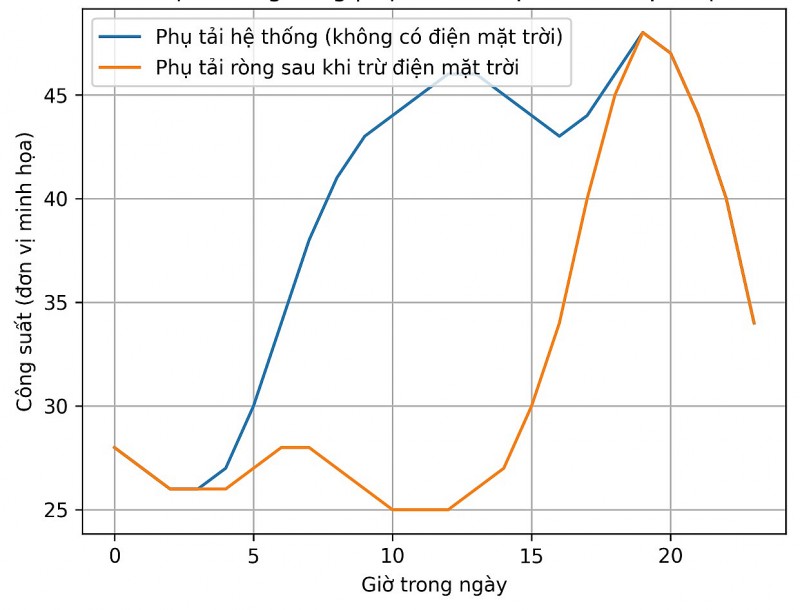 |
| Minh họa “đường cong con vịt” khi có điện mặt trời. |
Rooftop solar combined with battery energy storage can transform millions of rooftops into distributed mini power plants. When deployed at scale, this model not only reduces peak demand but also enhances system flexibility and limits the need for additional peaking power plants.
Rooftop solar with storage – a new tool for evening peak shaving
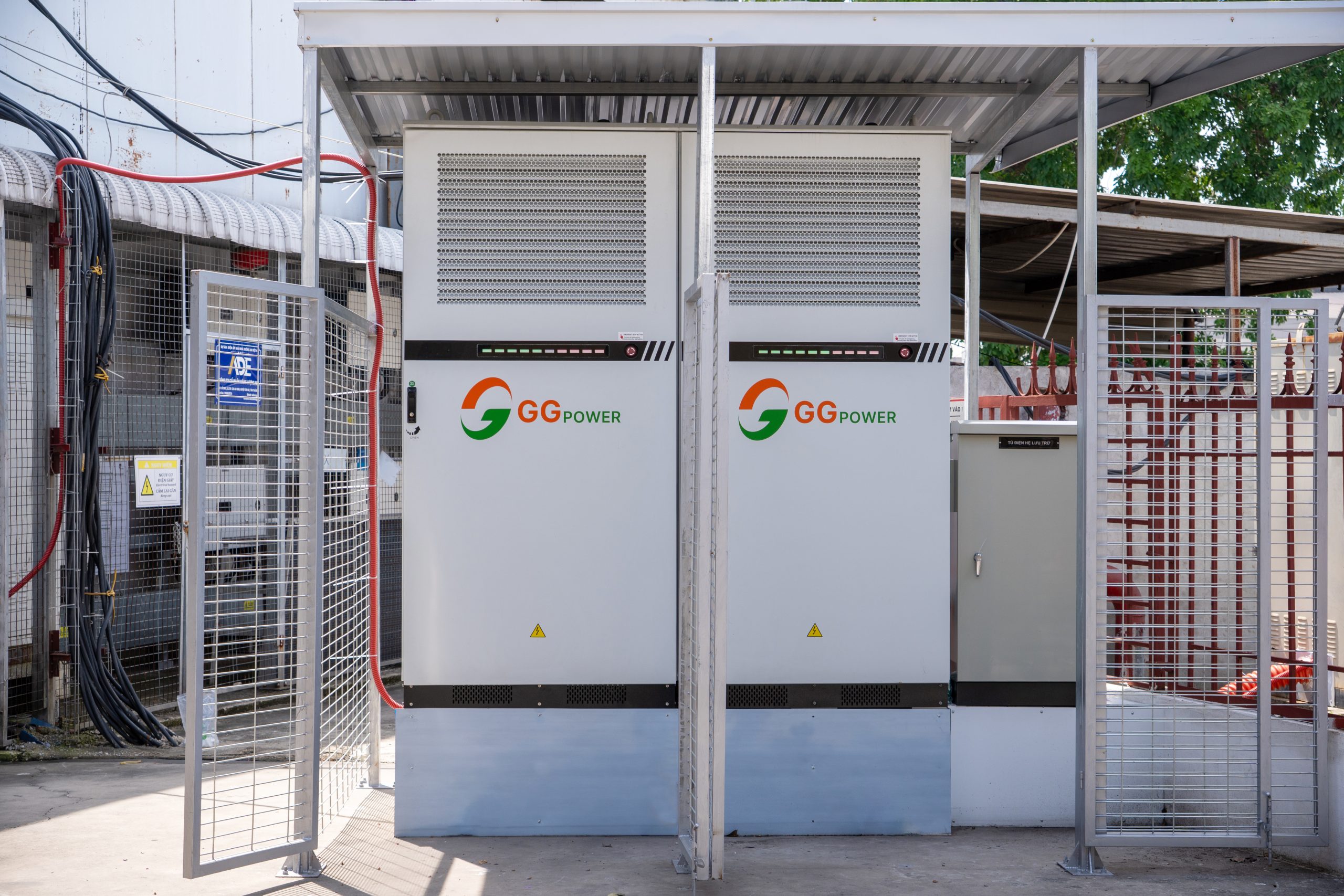
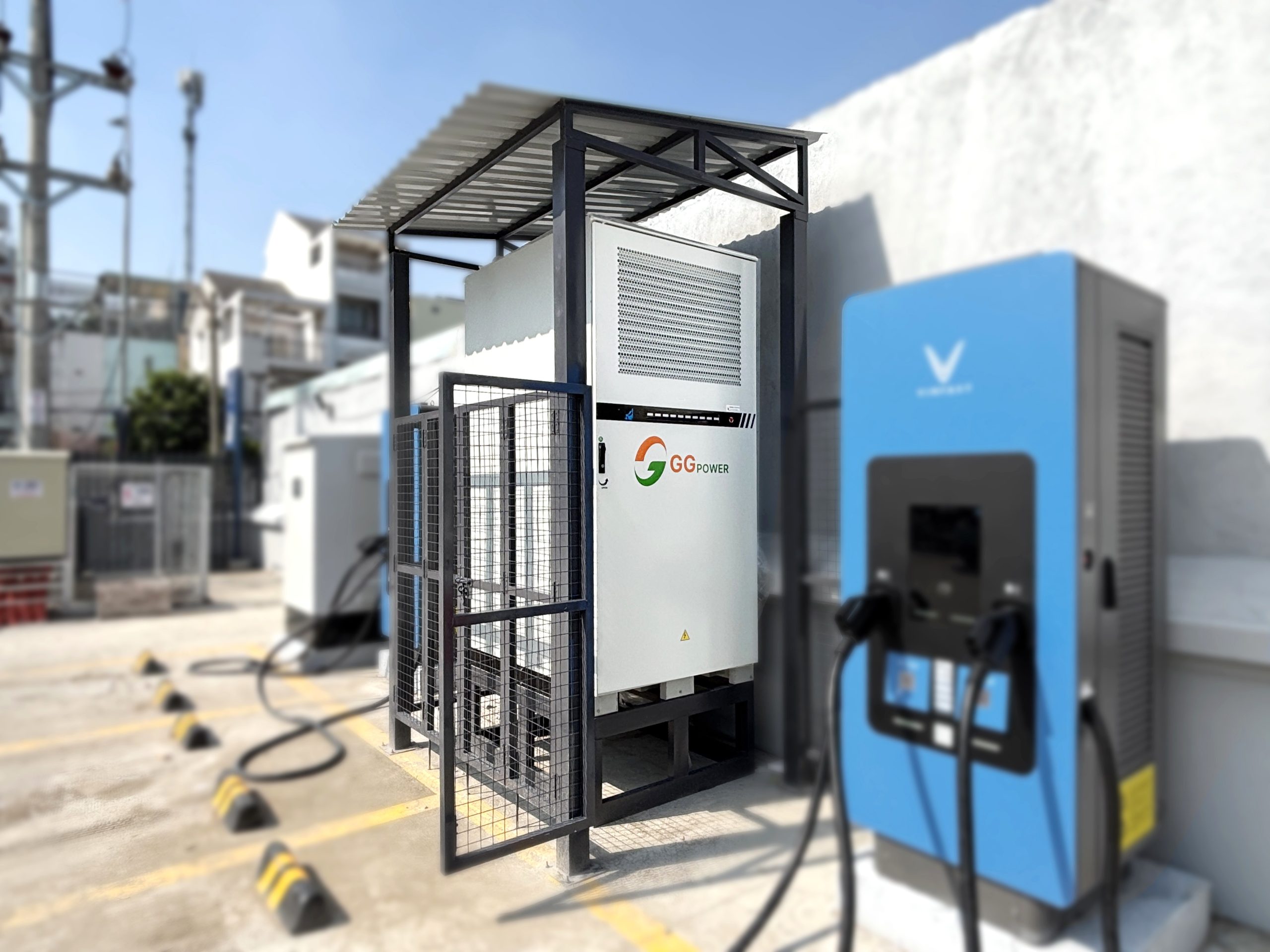
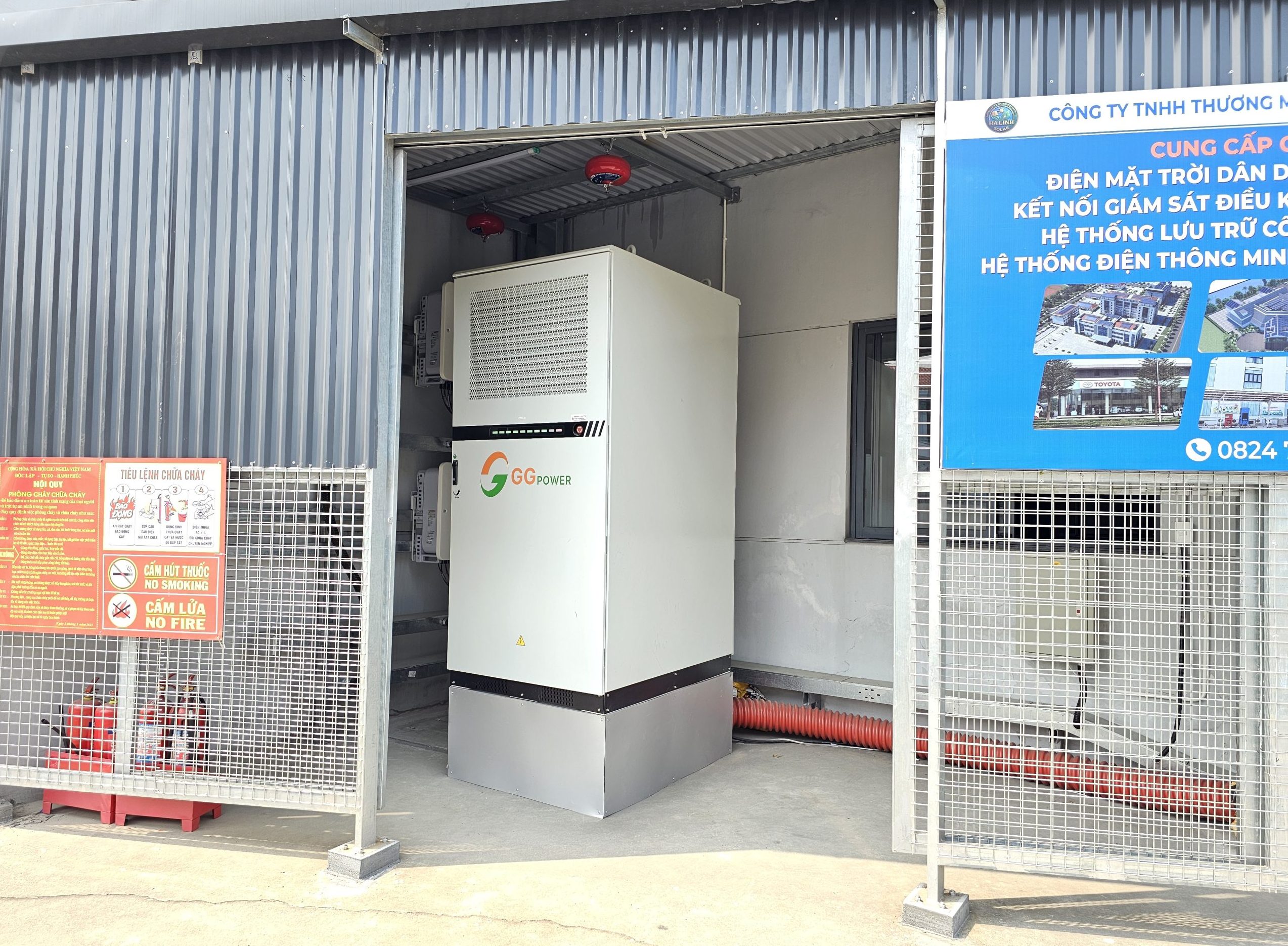
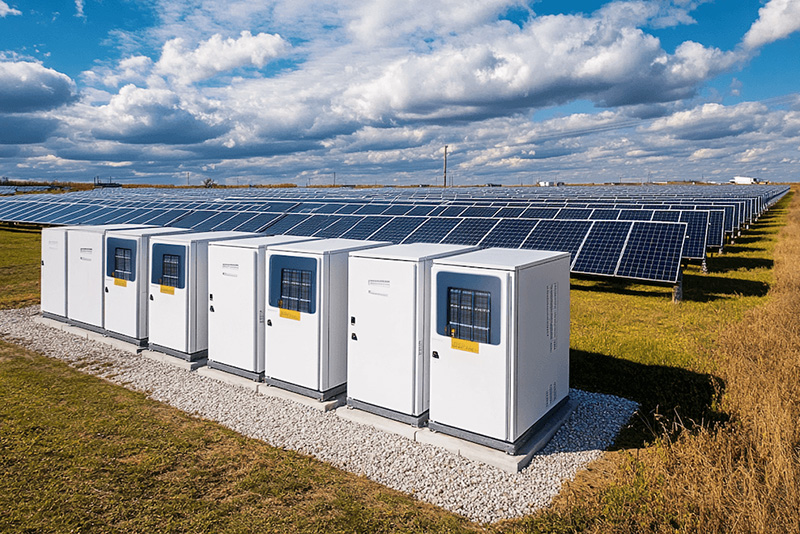
Battery energy storage systems (BESS) enable electricity generated during the day to be stored and used during periods of higher demand.
In a rooftop solar-plus-storage model, solar power is generated during the day, surplus energy is stored in batteries, and the stored energy is discharged in the evening.
This allows peak demand during evening hours to be reduced using stored energy, improving overall system stability. At scale, rooftop solar combined with storage can turn millions of rooftops into distributed energy resources that support the national grid.
Declining battery costs – an opportunity for Vietnam
In recent years, energy storage technologies—particularly lithium-ion batteries—have advanced rapidly. According to international studies, lithium-ion battery costs have fallen by more than 80% between 2010 and 2023, driven by economies of scale and technological improvements.
Currently, typical storage system costs range from USD 150–300 per kWh, depending on system size and configuration. This downward cost trend is expected to continue as demand grows from electric vehicles and energy storage markets.
For Vietnam, declining battery costs create a significant opportunity to accelerate the adoption of rooftop solar combined with storage, enabling households and businesses to improve energy independence.
Lessons from Australia
Australia is one of the world’s leading markets for rooftop solar. By 2024, the country had installed over 4 million rooftop systems, with a total capacity of approximately 25 GW.
In many regions, feed-in tariffs for excess solar generation are as low as USD 0.05–0.07/kWh, and can even turn negative during midday. Meanwhile, retail electricity prices during evening peak hours can reach up to USD 0.31/kWh.
This price differential has created strong economic incentives for households to install battery storage systems, allowing them to store solar energy during the day and use it in the evening.
Australia’s experience demonstrates that when rooftop solar is combined with time-of-use (TOU) pricing and energy storage, distributed energy resources can play a critical role in managing system load.
In the context of rapidly rising peak demand in Vietnam, rooftop solar should be viewed not only as a renewable energy source but also as a load management tool.
Decree No. 58/2025/ND-CP has introduced mechanisms to promote self-consumption rooftop solar, providing an important policy foundation for future development. However, to fully unlock the potential of solar-plus-storage, Vietnam needs to further develop time-of-use pricing mechanisms and a competitive electricity market.
When price signals accurately reflect peak-period costs, consumers will have stronger incentives to invest in energy storage and shift their consumption patterns, thereby contributing to a more efficient and optimized power system.
Conclusion
As Vietnam’s peak demand continues to grow and the need for new generation capacity increases, rooftop solar combined with battery storage can become a key solution for demand-side management.
Unlike the traditional approach—focused primarily on expanding centralized generation—distributed energy models enable millions of small-scale resources at the point of consumption, reducing pressure on the transmission system and limiting the need for additional peaking plants.
With appropriate support from time-of-use pricing and a transparent competitive electricity market, this solution could become a cornerstone of a more flexible and resilient power system in Vietnam’s energy transition.
Source: NLVN