Proposed Amendments to Vietnam’s Electricity Law (2026): Urgent Priorities for Accelerating Power Sector Development
The Ministry of Industry and Trade is currently collecting feedback from government agencies, industry stakeholders, and the public on the draft amendments to Vietnam’s Electricity Law. Drawing on practical experience from the implementation of the revised Power Development Plan VIII (PDP VIII), the Scientific Council of Vietnam Energy Magazine has identified several key priorities that should be addressed in this legislative update.
The Challenge Is No Longer Planning — It Is Implementation
The revised PDP VIII has already outlined a relatively clear roadmap for power generation and grid development through 2030, with a vision toward 2050. Today, the primary challenge is not the absence of planning, but the ability to turn those plans into operational projects.
With investment requirements for Vietnam’s power sector expected to reach hundreds of billions of dollars over the coming decades, amending the Electricity Law has become an urgent necessity. A modernized legal framework is essential to remove institutional barriers, strengthen investor confidence, mobilize private capital, and support the country’s long-term energy transition objectives.
Projects Have Been Identified, Yet Many Remain Delayed
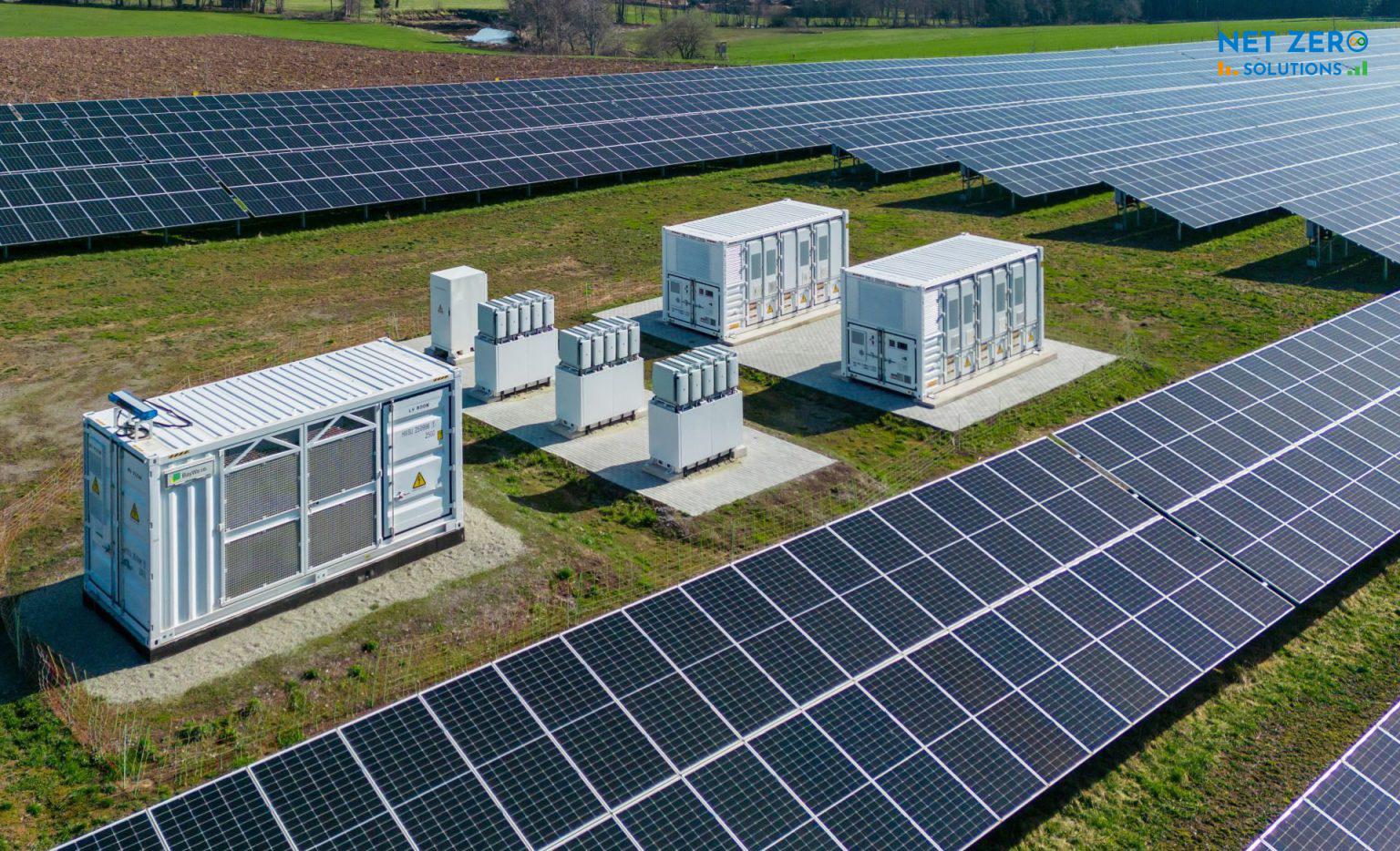
The revised PDP VIII has clearly identified priority projects across LNG-fired power, offshore wind, solar energy, pumped-storage hydropower, battery energy storage systems (BESS), and transmission infrastructure.
However, project implementation continues to face significant obstacles, including:
- Investor selection procedures
- Project financing and capital mobilization
- Power Purchase Agreement (PPA) negotiations
- Electricity pricing mechanisms
- Grid connection and transmission access
- Administrative and legal approval processes
Many strategically important projects remain behind schedule despite being included in national planning. This highlights a critical reality: the main bottleneck is no longer planning, but execution.
Without substantial improvements to the Electricity Law and its implementing regulations, delays across major power projects are likely to continue.
Investors Need a Stable and Predictable Regulatory Environment
Vietnam remains one of Southeast Asia’s most attractive energy investment destinations. Domestic and international investors continue to express strong interest in LNG, offshore wind, renewable energy, and energy storage projects.
However, investors are primarily concerned with the predictability and stability of the investment environment rather than the number of projects listed in planning documents.
Power projects typically operate over investment horizons of 20 to 30 years or longer. Financing institutions and investors require confidence in:
- Long-term revenue certainty
- Transparent electricity pricing mechanisms
- Bankable Power Purchase Agreements
- Clear risk allocation among stakeholders
- Competitive and transparent electricity markets
Without these conditions, attracting large-scale private investment will remain challenging regardless of how ambitious future energy plans may be.
The Electricity Law Must Reflect the Requirements of the Energy Transition
Vietnam’s power sector is undergoing a profound transformation driven by the emergence of new technologies and business models.
The revised PDP VIII assigns an increasingly important role to:
- Offshore wind power
- Domestic gas and LNG-fired generation
- Pumped-storage hydropower
- Battery Energy Storage Systems (BESS)
- Direct Power Purchase Agreements (DPPA)
- Demand Side Management and Demand Response (DSM/DR)
- Ancillary grid services
Many of these technologies and market mechanisms currently lack a comprehensive legal framework or scalable market structures.
The amendment of the Electricity Law should therefore go beyond resolving existing issues and establish the foundation for a modern electricity system in which renewable energy, energy storage, green electricity, LNG, offshore wind, and competitive power markets become core pillars of Vietnam’s energy future.
Key Priorities for the Amended Electricity Law
Based on practical implementation challenges and ongoing policy discussions, the Scientific Council of Vietnam Energy Magazine recommends the following priorities:
1. Accelerate the Legislative Process
Finalize and submit amendments to the Electricity Law as soon as possible, while preparing implementing decrees and circulars in parallel to ensure immediate enforcement once approved.
2. Improve Investor Selection Mechanisms
Establish transparent and competitive procedures for selecting investors in strategic projects, particularly LNG, offshore wind, pumped-storage hydropower, and other large-scale energy infrastructure developments.
3. Enable Bankable Long-Term PPAs
Create a legal foundation for long-term Power Purchase Agreements that provide revenue stability, balanced risk allocation, and stronger financing conditions.
4. Reform Electricity Pricing Mechanisms
Develop a transparent pricing framework that increasingly reflects market signals and actual costs.
At the same time, allow flexible pricing mechanisms for emerging technologies and strategic projects, including:
- Feed-in Tariffs (FIT)
- Capacity payment mechanisms
- Transitional support schemes
- Incentives for dispatchable and flexible generation resources
5. Strengthen Transmission Investment Frameworks
Improve regulations governing transmission infrastructure investment and operation to mobilize private-sector participation while ensuring adequate grid capacity for planned generation projects.
6. Accelerate Competitive Electricity Market Development
Continue advancing the wholesale electricity market and establish the necessary foundations for a future competitive retail electricity market.
7. Support Emerging Energy Trading Mechanisms
Expand the legal framework for:
- Direct Power Purchase Agreements (DPPA)
- Green electricity transactions
- Renewable Energy Certificates (RECs)
- Innovative electricity trading models
These mechanisms are increasingly important for export-oriented businesses facing growing sustainability and carbon reduction requirements.
8. Establish a Legal Framework for Energy Storage and Flexibility Resources
Develop dedicated regulations covering:
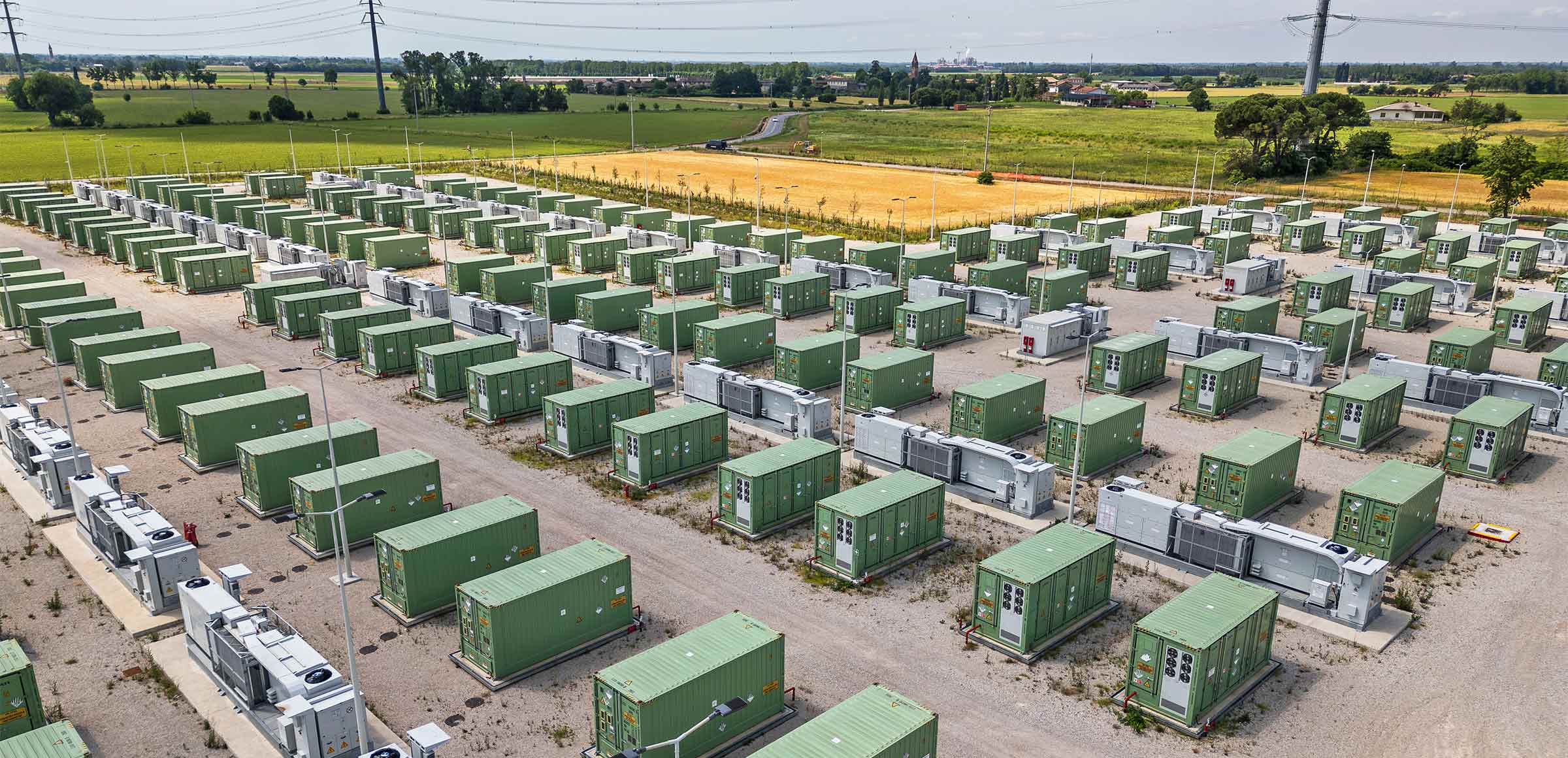
- Battery Energy Storage Systems (BESS)
- Pumped-storage hydropower
- Flexible generation assets
- DSM/DR programs
- Ancillary services markets
These resources will be essential to maintaining reliability and flexibility in a renewable-rich power system.
9. Further Decentralize Project Approval Processes
Simplify administrative procedures, shorten project development timelines, and clearly define the responsibilities of ministries, local authorities, and project stakeholders.
10. Ensure Long-Term Policy Stability
Maintain policy consistency and predictability throughout the life cycle of power projects. This is critical for attracting both domestic and international investment into large-scale energy infrastructure.
Conclusion
The revised PDP VIII clearly identifies what power infrastructure Vietnam needs, where it should be built, and when it should come online. However, planning alone does not guarantee success.
The true measure of PDP VIII’s success will be the ability to transform planned projects into operating assets that deliver electricity reliably and on schedule.
Achieving this requires a modern, transparent, and investor-friendly legal framework.
The amendment of the Electricity Law is therefore not simply a legislative exercise—it is a strategic instrument for mobilizing investment, accelerating the energy transition, strengthening national energy security, and delivering the objectives of PDP VIII.
If PDP VIII serves as the blueprint for Vietnam’s future power system, the amended Electricity Law will be the key that unlocks the capital, technology, and resources needed to bring that vision to life.
In a period marked by rapid electricity demand growth, increasing decarbonization requirements, and accelerating energy transition efforts, the speed at which Vietnam modernizes its institutional framework will directly influence the pace of energy infrastructure development and the country’s long-term energy security.
Simply put, the speed of regulatory reform today will determine the speed at which Vietnam realizes its energy ambitions tomorrow.
Source: Scientific Council of Vietnam Energy Magazine