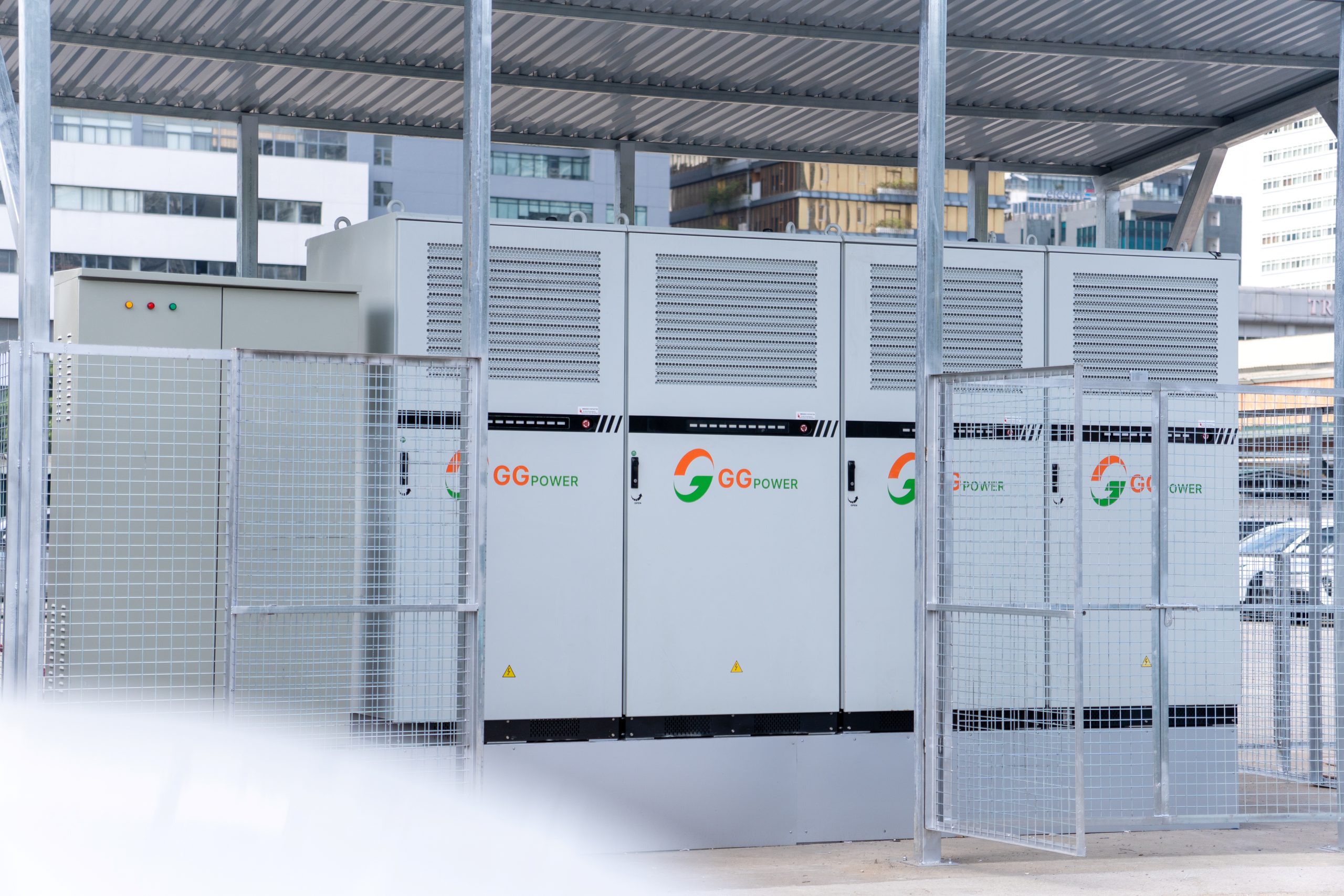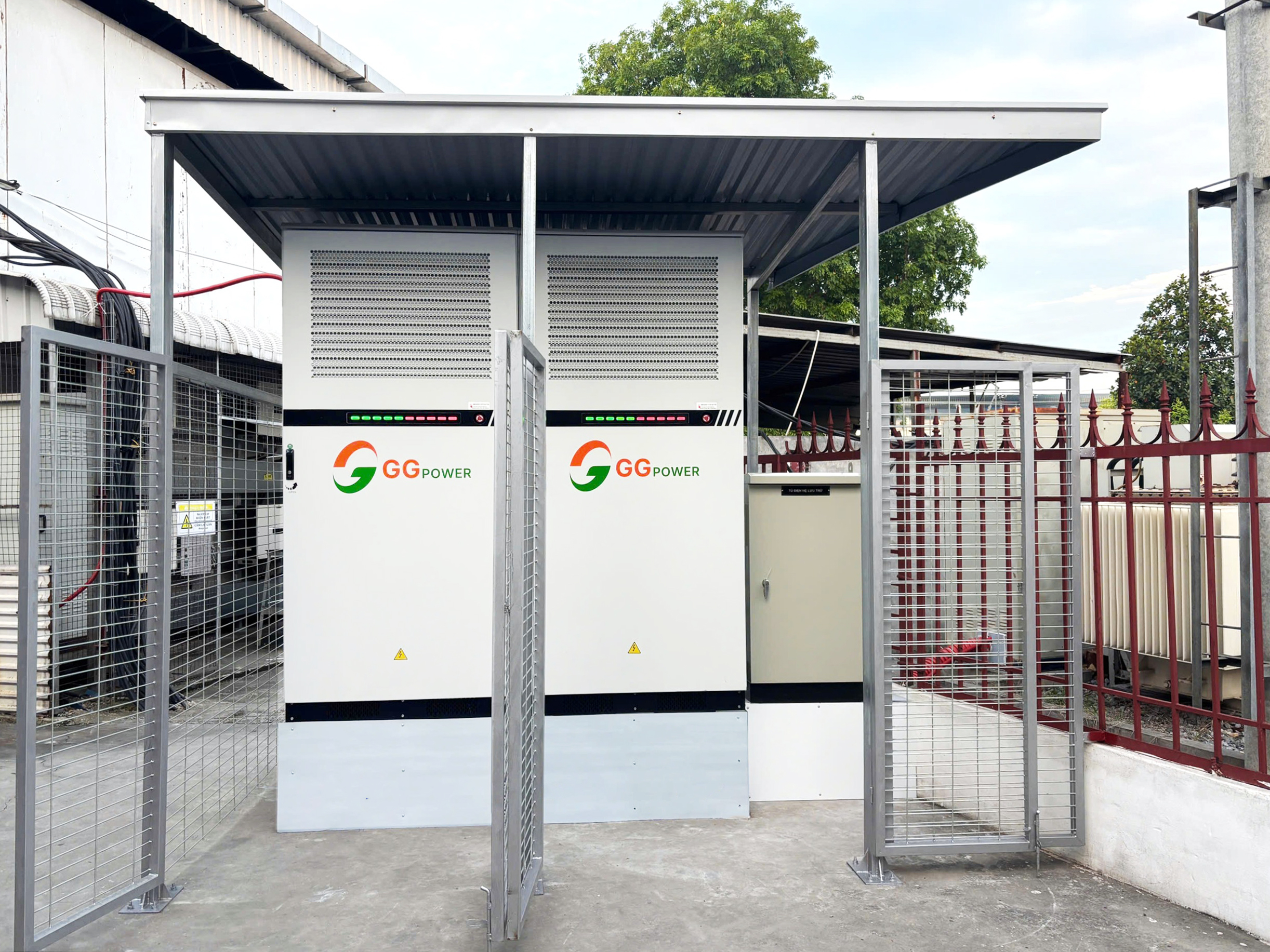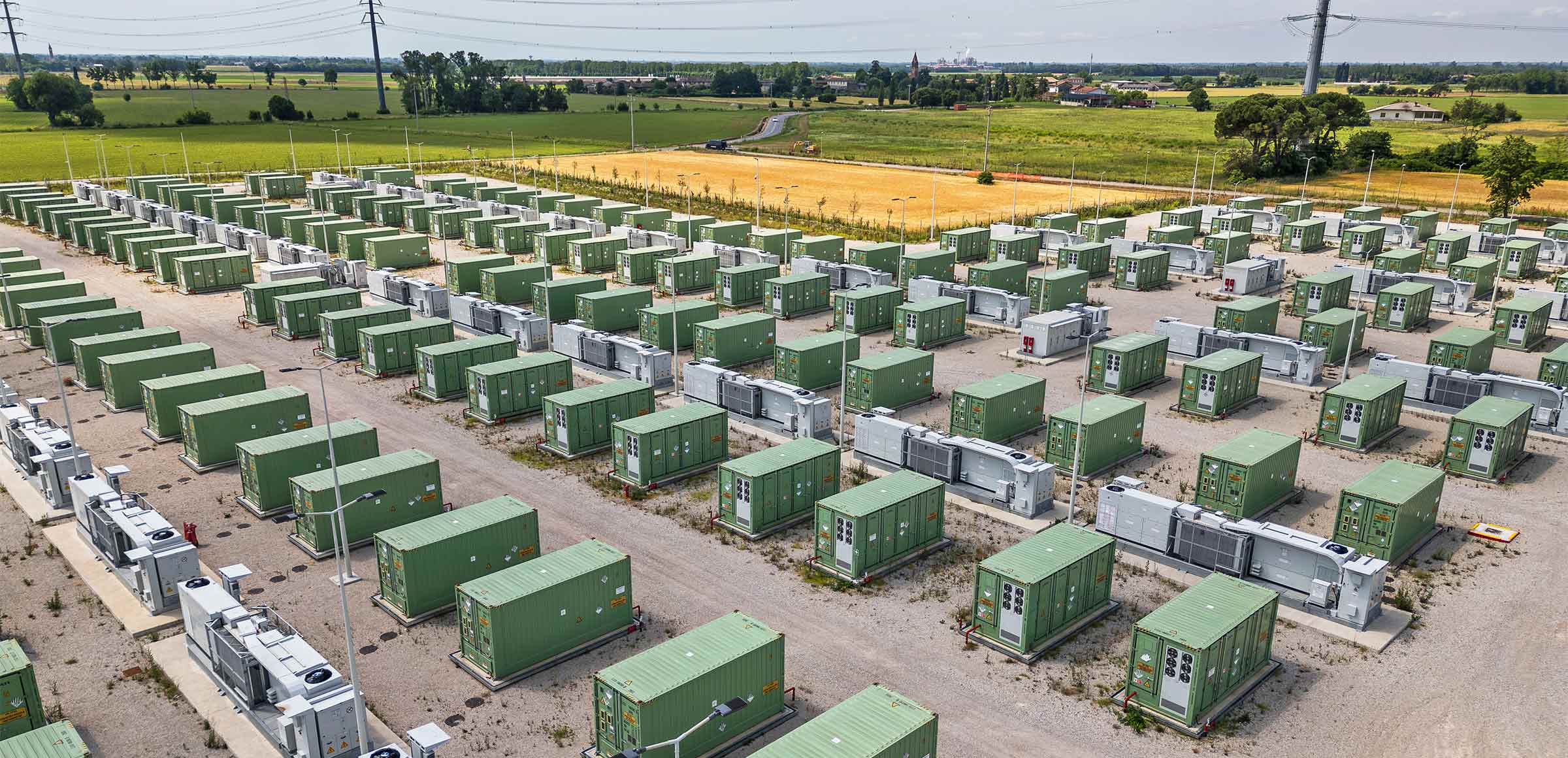
Perspectives from the Vietnam National Industry – Energy Group (Petrovietnam) on the current policy framework for Battery Energy Storage Systems (BESS) highlight that energy storage is now recognized as a strategic pillar in ensuring national energy security. However, the actual pace of market development still reveals a considerable gap between policy ambitions and implementation realities. The following summary is compiled by Vietnam Energy Magazine based on reports from Petrovietnam.
Battery Energy Storage Systems (BESS) are increasingly being recognized as a critical infrastructure component in Vietnam’s energy transition. As renewable energy capacity — particularly solar and wind power — continues to expand rapidly, the national power system is facing growing challenges related to supply-demand balancing, grid stability, and system optimization.
From a technical perspective, BESS acts as an energy buffer for renewable-heavy power systems by storing excess electricity during low-demand periods and discharging it during peak hours. This improves the economic value of renewable energy while reducing pressure on peak-load generation sources. In addition, thanks to its near-instant response capability, BESS can effectively provide ancillary services such as frequency regulation, voltage support, spinning reserve, and black-start capability, contributing to greater grid stability and operational reliability.
In areas where grid infrastructure remains underdeveloped, BESS also serves as a non-wire alternative solution by relieving localized congestion, reducing transmission bottlenecks, and maximizing the utilization of existing grid assets.
From a policy standpoint, BESS development has received strong support at the highest levels of government. Resolution No. 70-NQ/TW issued by the Politburo on August 20, 2025, together with Government Resolution No. 328/NQ-CP, emphasized the need to develop energy storage systems to ensure grid reliability and stability as renewable energy penetration increases. The revised National Power Development Plan VIII (PDP VIII) officially incorporated BESS into Vietnam’s national power planning framework, targeting between 10,000 MW and 16,300 MW of BESS capacity by 2030. In addition, National Assembly Resolution No. 253 established an important legal foundation for the deployment of BESS projects in practice.
These strategic directions clearly position BESS as a core pillar in Vietnam’s long-term energy security strategy. However, actual market development remains far behind these ambitions.
As of early 2025, Vietnam’s total installed BESS capacity remained below 100 MW, despite a projected demand exceeding 16 GW within less than a decade. This gap reflects major challenges related to investment capital, technology, and especially policy mechanisms. At the same time, with more than 23 GW of solar and wind power already in operation, the power system is increasingly facing issues such as peak power shortages — particularly in Northern Vietnam during high-demand periods — localized grid congestion in renewable energy clusters, and renewable energy curtailment that undermines project efficiency. Without large-scale energy storage deployment, these issues are expected to become increasingly severe, reducing the overall efficiency of the national energy system.
Vietnam’s current BESS policy framework has made important initial progress in establishing the market. Circular No. 12/2025/TT-BCT allows BESS investment costs integrated into renewable energy projects to be included in total project investment costs, partially removing accounting and cost recognition barriers. Meanwhile, Circular No. 62/2025/TT-BCT introduced methodologies for developing electricity pricing frameworks and determining electricity prices for standalone BESS projects connected directly to the national grid, providing an initial basis for valuing this new type of power asset.
However, current regulations mainly focus on pricing methodologies and reference frameworks without addressing the core mechanisms necessary to ensure project bankability. Key issues such as guaranteed dispatch mechanisms, contracted energy output commitments (Qc), electricity pricing sufficient to incentivize investment, and ancillary service markets for BESS have yet to be fully established. As a result, despite the existence of a technical pricing framework, the market still lacks stable and predictable revenue mechanisms — a critical factor for investors and financial institutions when evaluating large-scale BESS projects. This gap is currently one of the biggest barriers to capital mobilization and real-world deployment.
In this context, Petrovietnam emphasized the urgent need for foundational policy mechanisms to accelerate effective and sustainable BESS development in order to achieve several strategic objectives:
- Ensure rapid yet well-controlled deployment aligned with national planning objectives and the power system’s absorption capacity during the 2026–2030 period.
- Use early-stage projects as practical foundations for refining legal frameworks, technical standards, and operational procedures.
- Leverage the leadership role of major state-owned enterprises with extensive experience in the power sector to develop domestic capabilities, establish local value chains, and gradually promote localization.
Based on these priorities, Petrovietnam proposed several key policy recommendations:
First, for BESS projects integrated with renewable energy sources, electricity dispatch mechanisms should be designed to maximize the output of the entire generation-storage combination, including prioritizing the dispatch of stored and re-discharged electricity. This would ensure efficient BESS operating cycles and improve overall project performance.
Second, for standalone BESS projects, preferential electricity pricing mechanisms should be established alongside priority dispatch arrangements linked to actual grid demand. At the same time, Vietnam should accelerate the development of ancillary service markets with transparent compensation mechanisms, enabling BESS to participate in and be properly compensated for services such as frequency regulation, voltage control, and reserve capacity, rather than limiting BESS solely to energy sales.
Third, policymakers should consider establishing “internal energy market” models within industrial parks, economic zones, or similar structures. These models would enable long-term Direct Power Purchase Agreements (DPPA) between enterprises using shared grid infrastructure or dedicated systems integrated with BESS, thereby creating stable electricity demand, reducing pressure on the national grid, and encouraging greater private-sector participation.
Overall, BESS is not simply an energy storage technology, but a critical foundation for building a modern, flexible, and sustainable power system. Establishing a synchronized, transparent, and sufficiently attractive policy framework will play a decisive role in realizing Vietnam’s renewable energy development goals while ensuring long-term national energy security.
Source: Editorial Board of Vietnam Energy Magazine