The rapid growth of renewable energy is driving strong demand for energy storage systems, fostering the development of a modern and sustainable green energy ecosystem.
Maintaining Power System Stability
Under Decision No. 768/QĐ-TTg dated April 15, 2025, issued by the Prime Minister on the revised National Power Development Plan VIII, Vietnam reaffirms its commitment to ensuring national energy security, meeting socio-economic development needs, and supporting the country’s industrialization and modernization. At the same time, the plan emphasizes a strong transition from fossil fuels to renewable and new energy sources to reduce emissions and achieve net-zero emissions by 2050.
To achieve these objectives, the revised Power Development Plan VIII sets a significant share of renewable energy—particularly solar and wind power—in the total installed capacity. This presents a considerable challenge in maintaining a stable and secure power system while also fulfilling international commitments on climate and sustainable development.
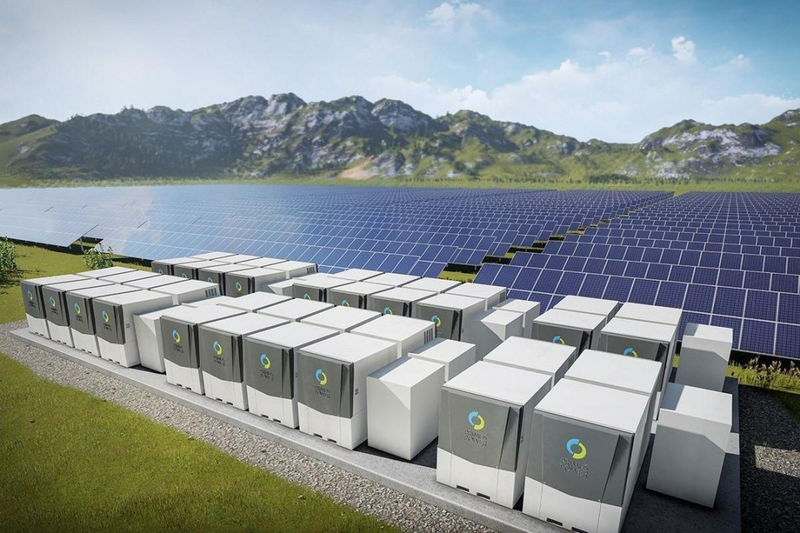
In the context of the energy transition, energy storage is expected to play a pivotal role in driving the development of a green energy ecosystem in Vietnam.
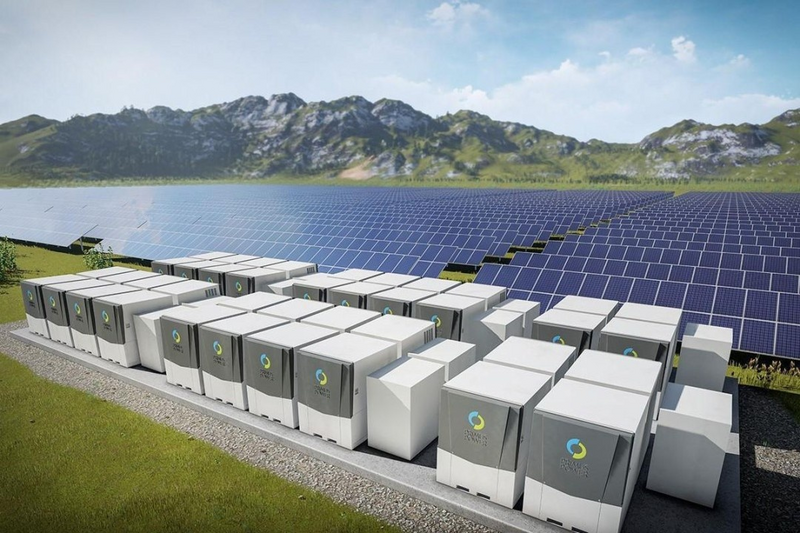
Against this backdrop, energy storage solutions such as pumped-storage hydropower and Battery Energy Storage Systems (BESS) are considered essential, with their development scale clearly outlined in the national power development plan.
According to the revised Power Development Plan VIII, energy storage systems are planned to serve system demand and operate alongside renewable energy sources. These systems will be deployed in a distributed manner, located near major wind and solar generation hubs or integrated into the grid at load centers, with a projected capacity of approximately 10,000–16,300 MW (equivalent to 5.5–6.9% of total installed capacity), in alignment with the growing share of renewable energy.
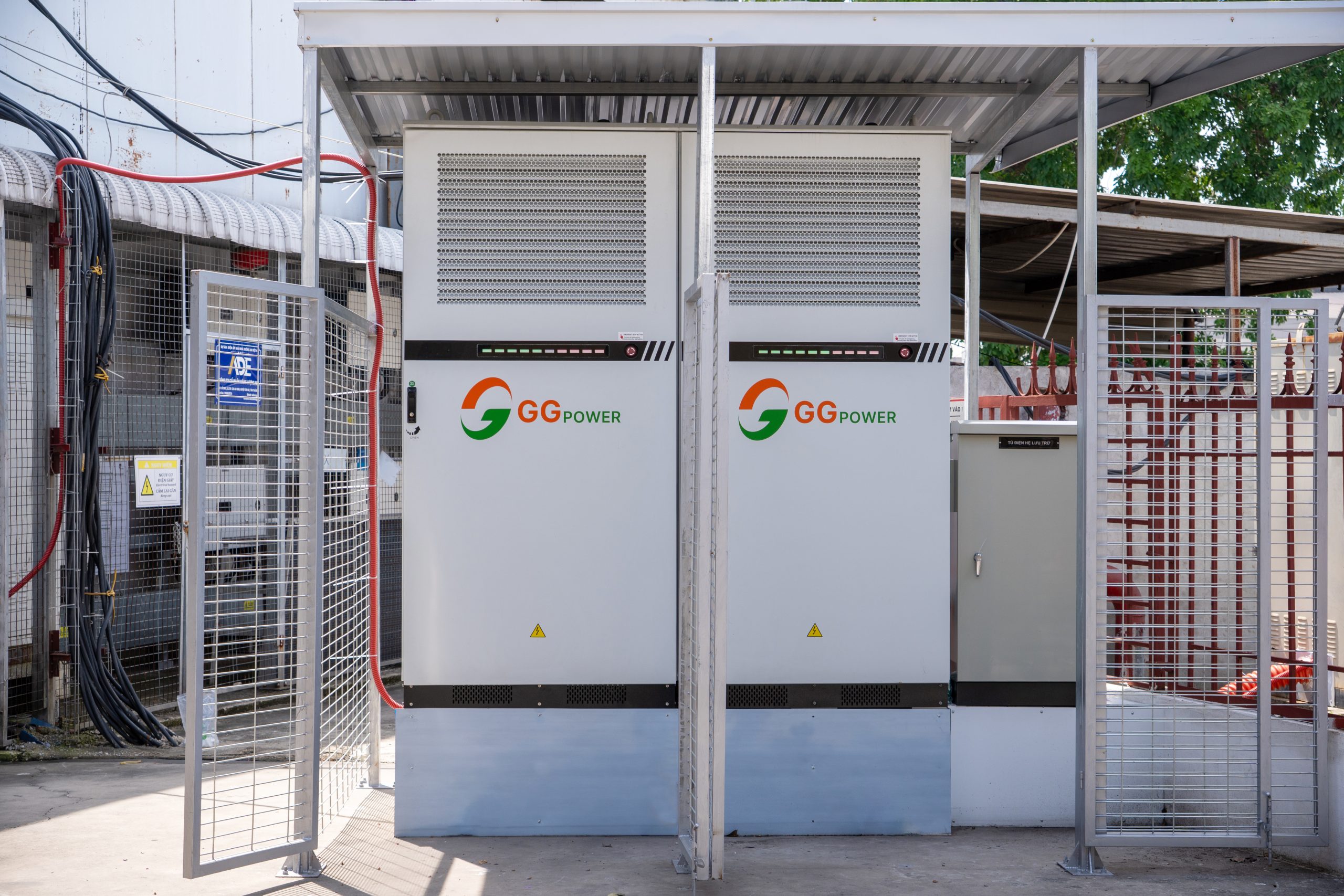
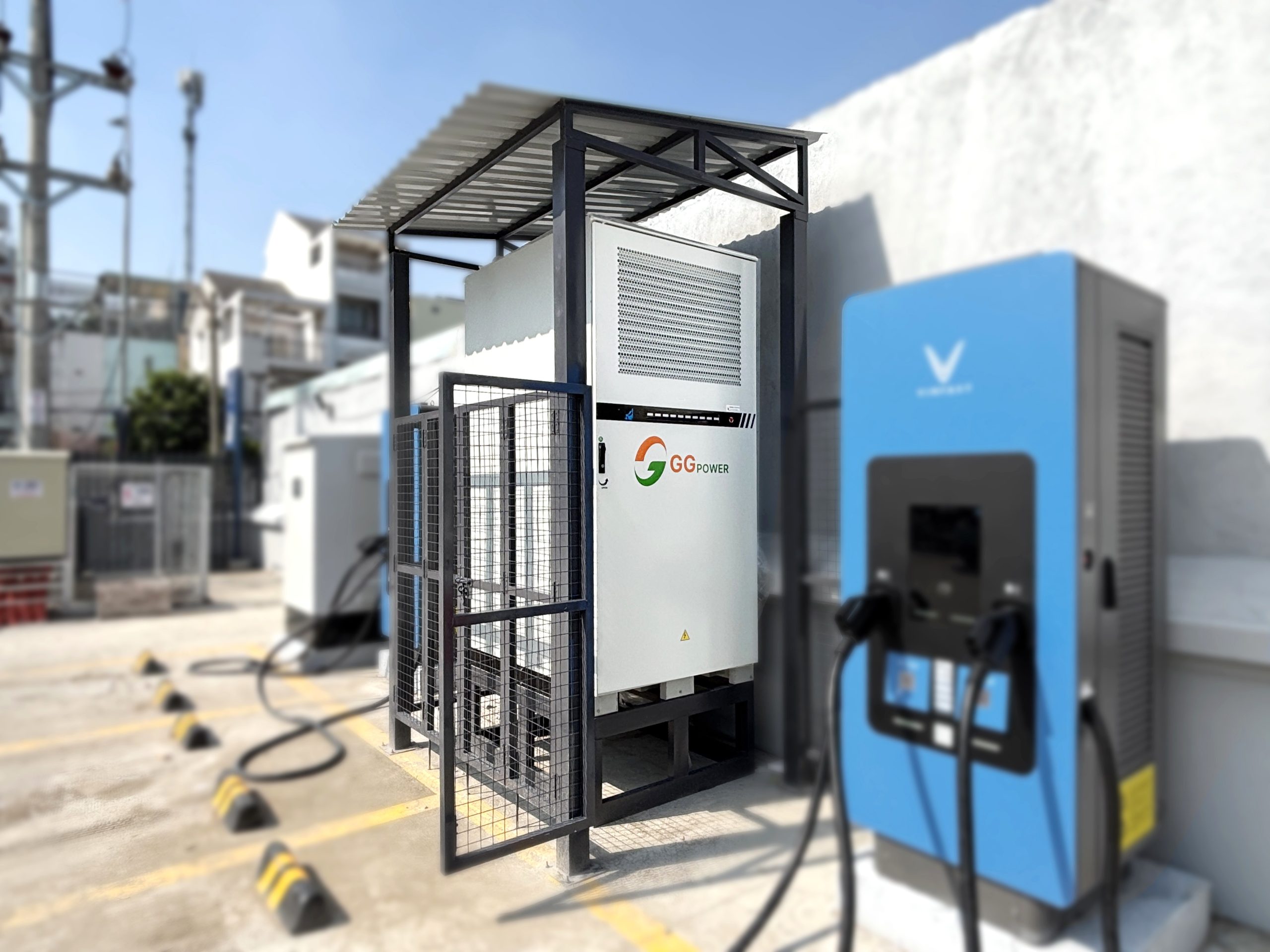
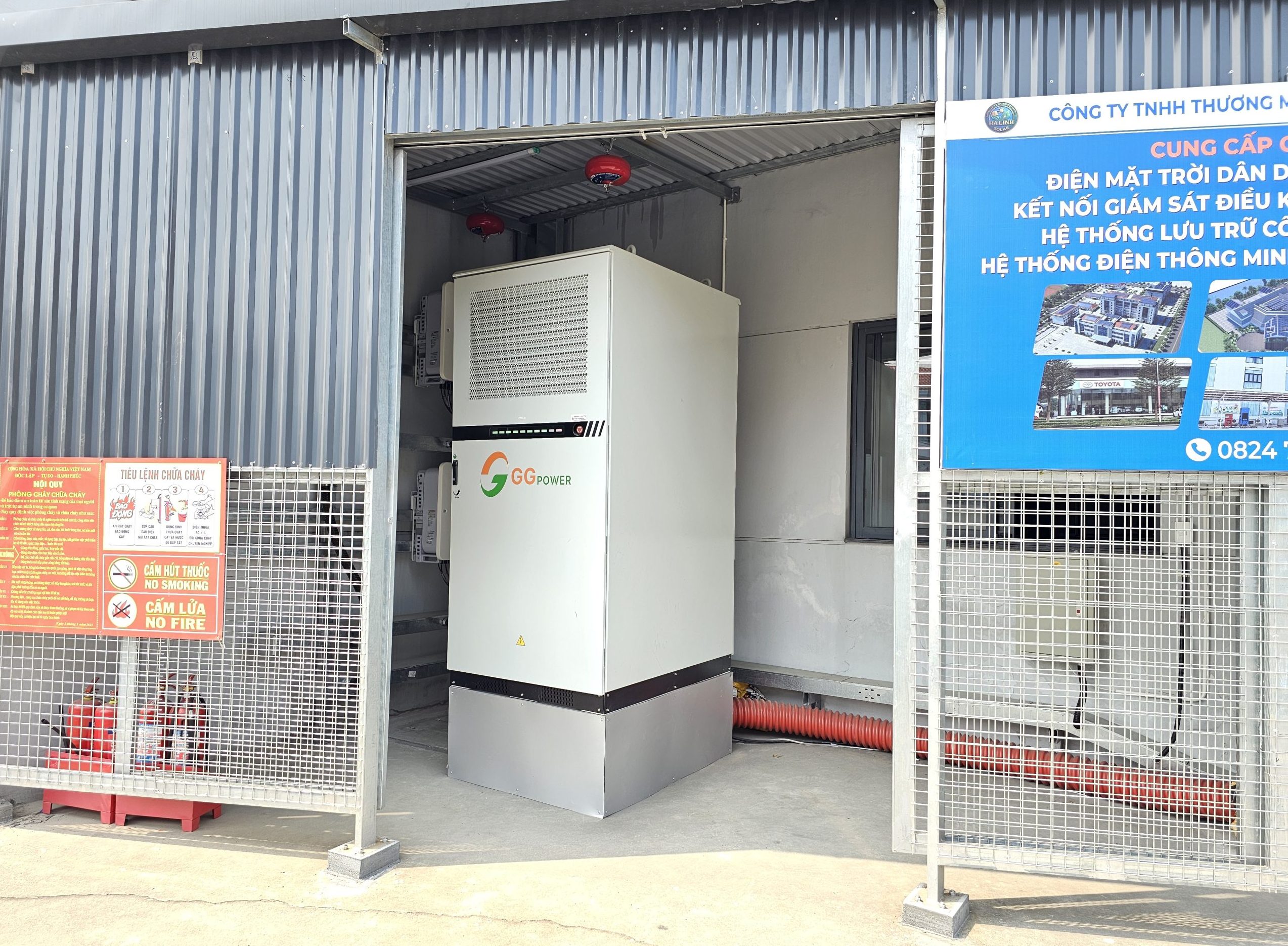
Speaking with Industry and Trade Newspaper about energy storage, Mr. Bui Xuan Binh – Chairman and CEO of GG Power Group – stated that GG Power is one of the pioneering companies in Vietnam in investing in energy storage technologies.
“We currently operate a modern manufacturing facility that meets European standards, with a capacity of approximately 5 GWh per year, sufficient to supply the market for many years to come. Our team consists of highly experienced engineers and experts in research, development, and product commercialization. Our business model covers the entire value chain, from R&D and supply chain development to manufacturing and after-sales services,” Mr. Binh shared.
Positioning for the New Planning Wave
Assessing the current and future market demand for energy storage systems, Mr. Bui Xuan Binh expressed strong confidence in the sector’s growth potential. Vietnam’s energy planning and policy framework has clearly identified energy storage as a critical supporting infrastructure, particularly as the country accelerates the development of renewable energy sources.
The inherent variability and intermittency of renewable energy make energy storage systems essential for maintaining system balance and ensuring the safe and stable operation of the power grid. Beyond the domestic market, demand for energy storage solutions is also growing rapidly at both regional and global levels, creating significant opportunities for companies operating in this field.
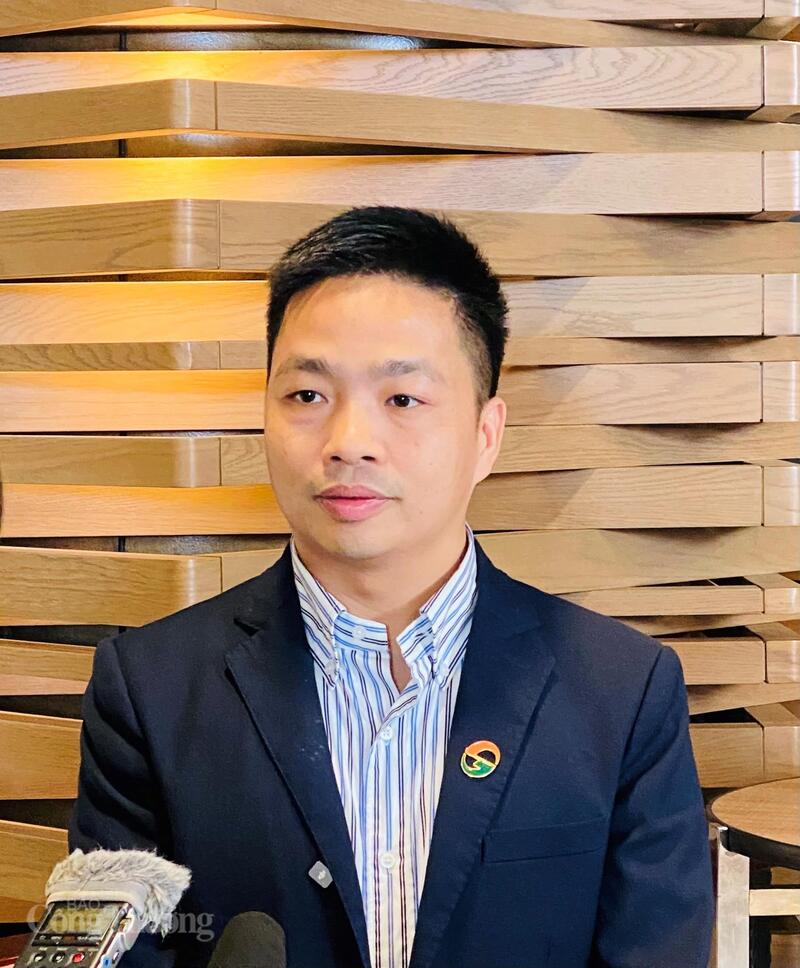
Mr. Bui Xuan Binh – Chairman and CEO of GG Power Group.
“According to the revised Power Development Plan VIII, energy storage demand is projected to reach approximately 16 GW by 2030 and exceed 90 GW by 2050. This represents a significant scale, creating opportunities for domestic enterprises to participate in building and developing Vietnam’s energy storage industry,” a GG Power executive stated.
To achieve these targets, Mr. Bui Xuan Binh noted that the company has actively participated in various workshops and industry forums alongside the Ministry of Industry and Trade and relevant stakeholders. Currently, regulatory authorities are working to finalize the legal framework for energy storage. Notably, the first safety standards for energy storage systems have been issued, while additional technical standards and regulations are being developed and refined.
According to GG Power’s representative, the pricing framework and financial mechanisms being developed by the Ministry of Industry and Trade will be critical factors determining the market’s practical implementation. Therefore, it is essential to promptly introduce key regulatory frameworks—particularly those related to safety standards and financing mechanisms—by the second quarter, providing a solid foundation for businesses and investors to move forward with project deployment.
Mr. Binh also highlighted challenges affecting the sector’s development, noting that green financing remains largely concentrated in solar and wind projects, while essential supporting infrastructure such as energy storage has yet to receive adequate attention. This has led to an imbalance in overall investment for the green energy system, creating significant obstacles.
He further emphasized that while recent planning documents have clearly recognized the role of energy storage in stabilizing and balancing the national power system, from the perspective of domestic manufacturers and developers, accessing specific policies and supporting end-users and investors in deploying storage solutions remains difficult. This has slowed down commercialization and market expansion.
At the same time, there have been positive signals, as several banks have begun exploring initial energy storage projects for potential investment. However, a key bottleneck remains: financial institutions have yet to establish dedicated evaluation criteria, detailed technical standards, or clear internal guidelines for appraisal processes.
“As a result, credit institutions have not fully recognized energy storage systems as a critical technology in the green transition, and therefore do not yet consider them eligible collateral for accessing green financing,” Mr. Binh emphasized.
In addition, current green financing mechanisms apply stringent criteria, often requiring projects to meet comprehensive standards from the outset before disbursement can be considered. For small and medium-sized enterprises, the high costs associated with compliance, evaluation, and certification present a significant barrier.
Given these challenges, GG Power’s leadership stressed the need for more supportive policies to enable the energy storage market to access green capital and develop in a more coordinated and sustainable manner.
Source: Thanh Binh – Industry and Trade Newspaper