In many remote areas without access to the national grid, diesel generators remain the only way to keep electricity running. However, high fuel costs, loud noise, and continuous equipment wear make this solution less and less efficient over time.
Today, Battery Energy Storage Systems (BESS) are becoming the “perfect match” — helping optimize generator performance, save fuel, and move toward greener hybrid energy models.
Below are five common questions users often ask when combining BESS with diesel generators.
1. What is BESS and why combine it with a diesel generator?
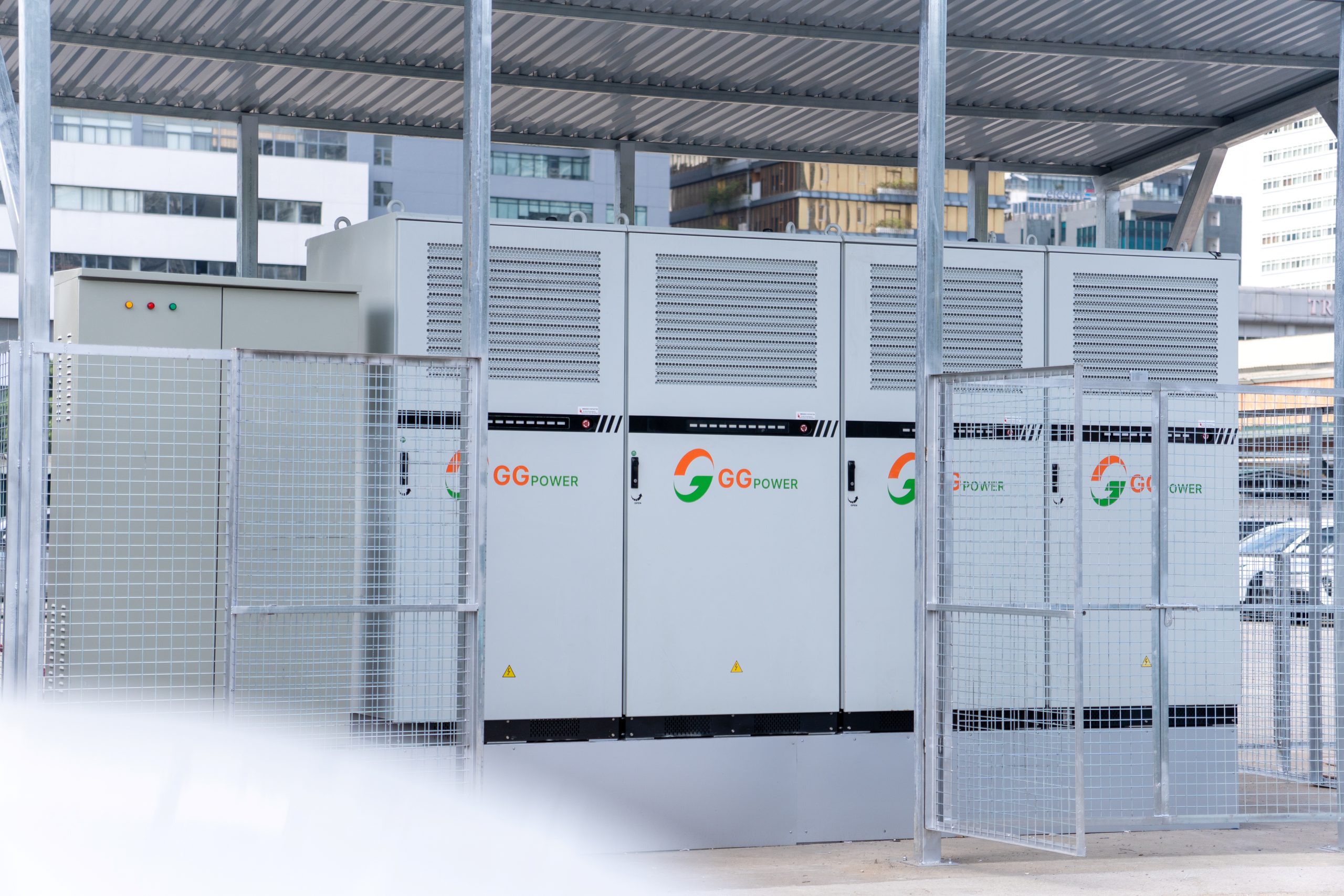
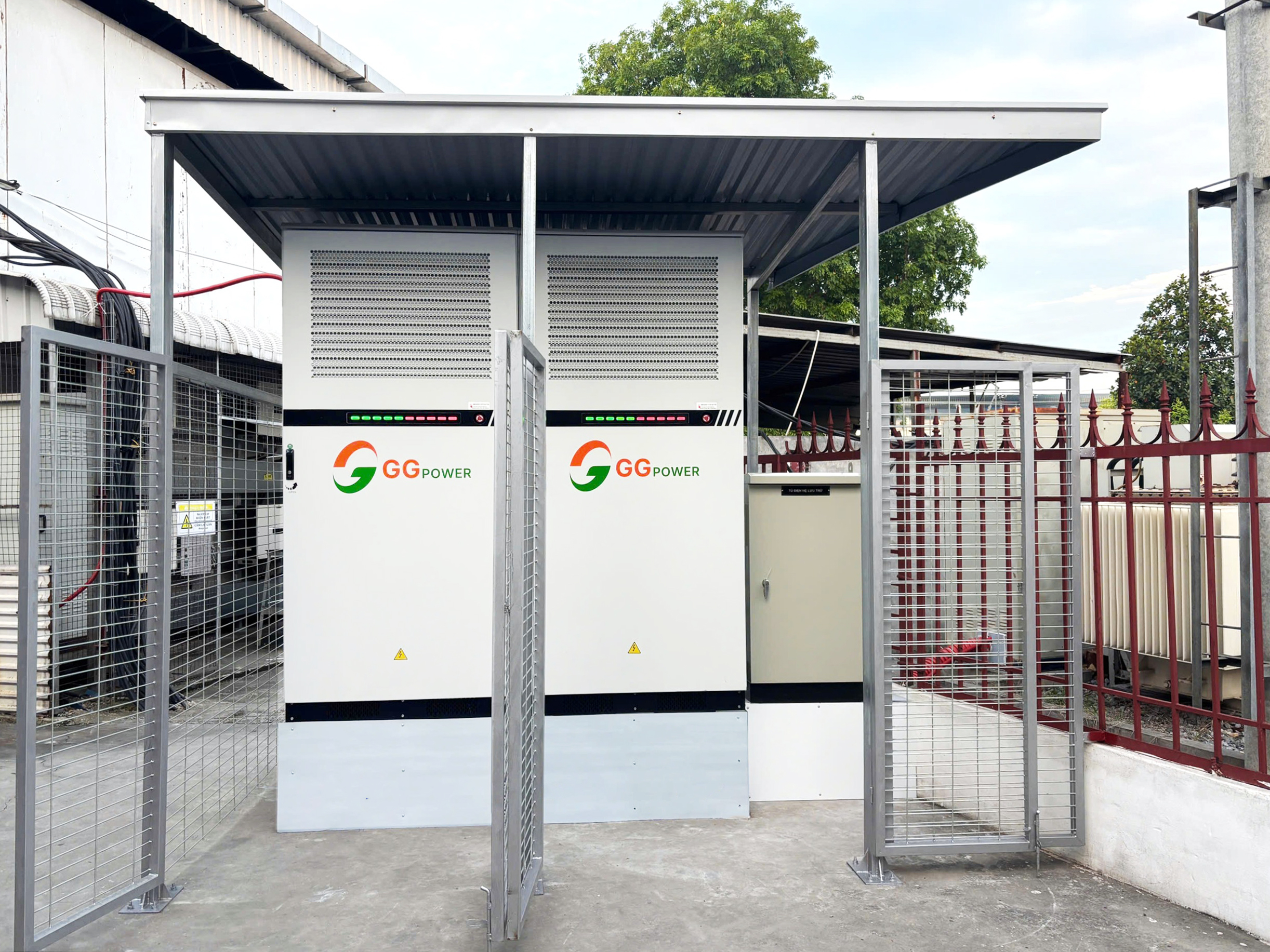
BESS (Battery Energy Storage System) stores electricity using rechargeable lithium batteries, which can release stored energy when needed.
When combined with a generator, BESS acts as a smart intermediary:
-
When the generator runs, BESS stores excess power.
-
When the generator stops, BESS discharges electricity to keep the load running.
✅ Result: Continuous power supply, reduced generator runtime → less fuel consumption, lower noise, and extended engine lifespan.
2. How do BESS and diesel generators work together?
In a hybrid diesel + BESS system, both units operate automatically:
-
When the battery level drops below a set threshold, the generator starts to recharge the BESS and power the load.
-
Once the batteries are full, the generator shuts off while the BESS continues supplying electricity.
All operations are managed by an Energy Management System (EMS) — ensuring seamless control without manual intervention.
3. Does using BESS really save fuel?
Yes.
In a traditional diesel setup, generators must run 24/7, even during low demand periods — leading to unnecessary fuel burn and high operating costs.
With BESS integration:
-
The generator only runs when charging the battery or during sudden load spikes.
-
During low-load periods, BESS supplies the power instead of the generator.
💡 In practice, hybrid systems can significantly reduce generator runtime, translating into meaningful fuel savings — depending on system size and operating conditions.
4. Can BESS completely replace diesel generators?
Not entirely — at least not yet.
BESS helps reduce dependence on generators, but a generator is still needed for recharging batteries or handling peak loads.
However, when paired with renewable energy sources (like solar power), the system can operate almost independently from diesel fuel — paving the way toward a green, hybrid, and sustainable model.
5. Is investing in BESS complicated or expensive?
While the initial cost of BESS is higher than purchasing an additional generator, the total long-term cost is actually lower.
Here’s why:
-
Lower fuel consumption
-
Less generator maintenance (due to reduced runtime)
-
Longer equipment lifespan
-
Fewer expenses on oil changes, filters, and spare parts
Additionally, BESS systems are modular and scalable, allowing expansion as demand grows — and can easily integrate with existing infrastructure.
Conclusion
For off-grid areas, combining BESS with diesel generators brings clear advantages:
-
Reliable, uninterrupted power
-
Lower fuel costs
-
Reduced wear and noise
-
A pathway toward greener, hybrid energy systems
BESS doesn’t replace generators — it makes them smarter, more efficient, and more sustainable, helping users move closer to Net Zero goals.
About GG Industries (GGI)
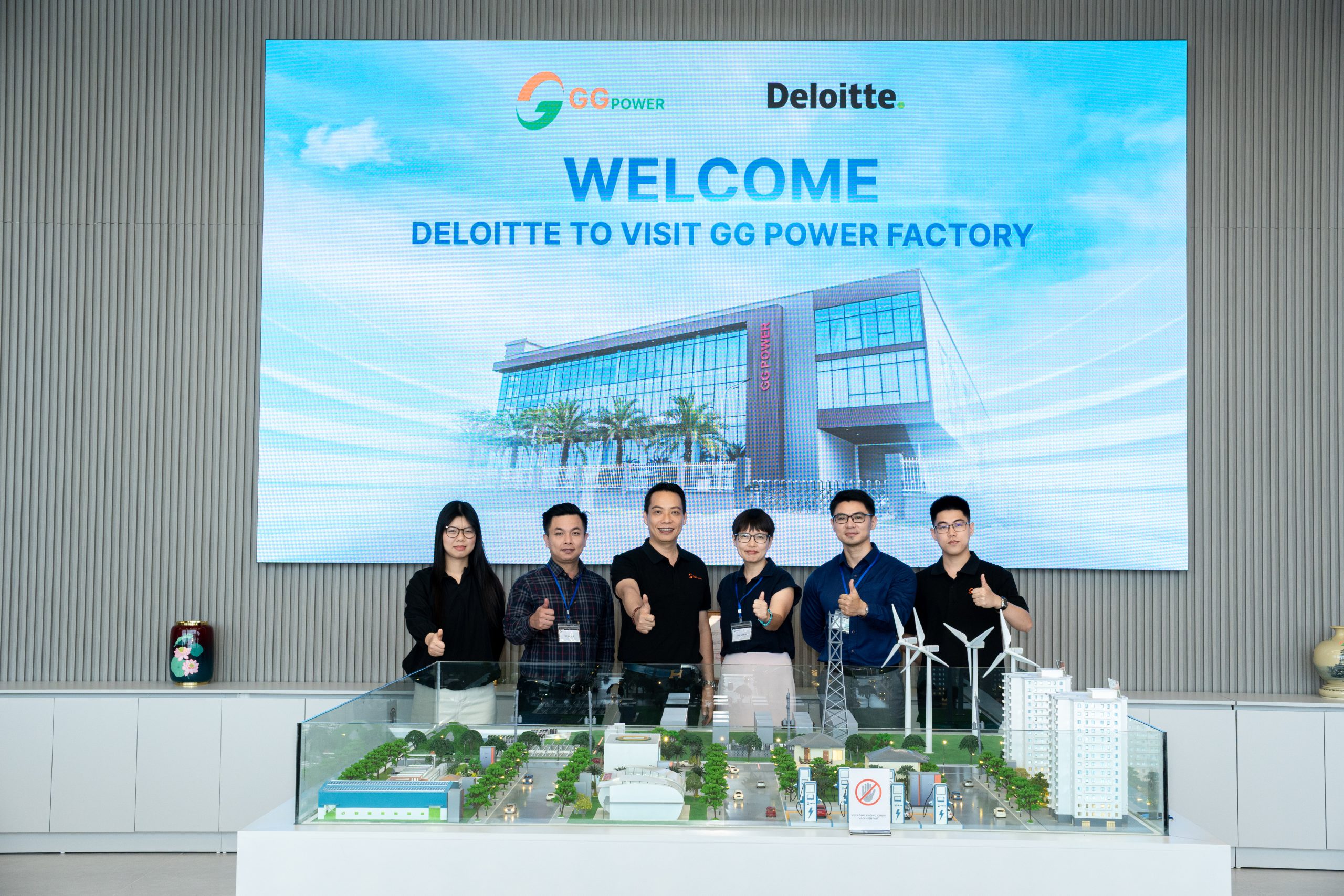
GG Industries (GGI) is a pioneer in providing Battery Energy Storage System (BESS) solutions for commercial, industrial, and residential sectors across Vietnam.
With end-to-end capabilities — from consulting, system design to turnkey installation — GGI helps customers:
-
Cut energy operating costs
-
Ensure stable and safe power supply
-
Transition toward hybrid, green, and sustainable energy models
📩 Contact GGI today to find the most suitable BESS solution for your site or project.