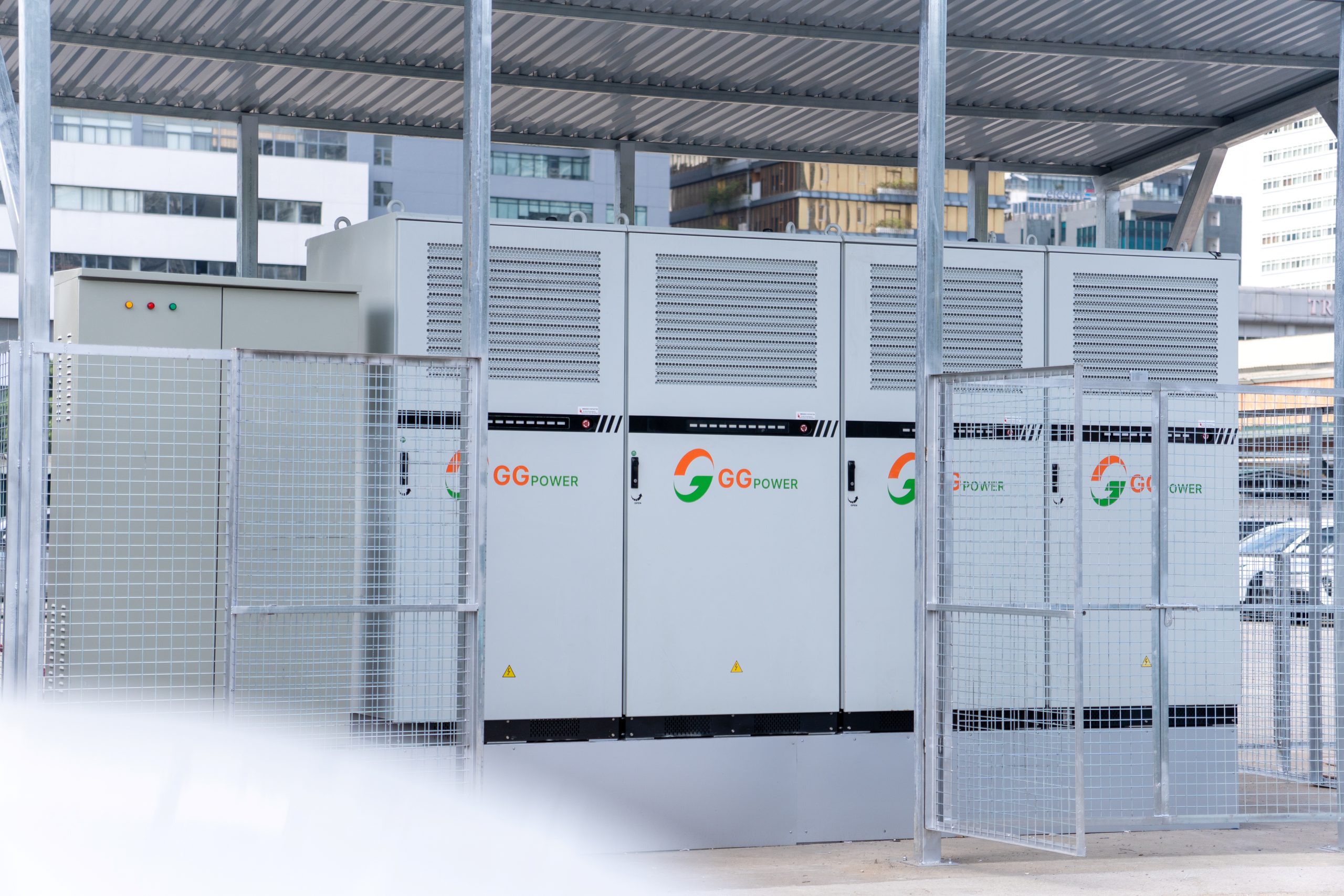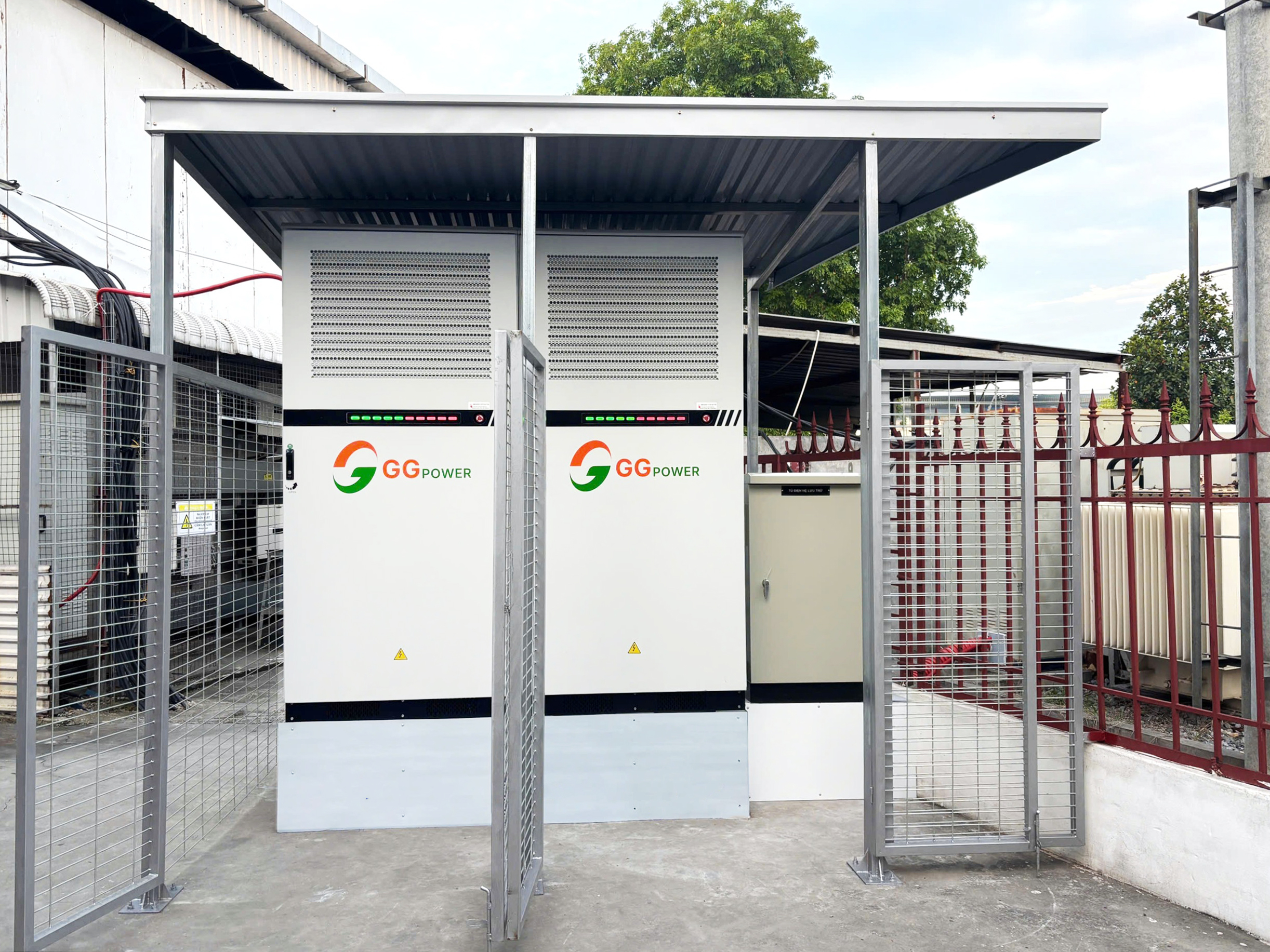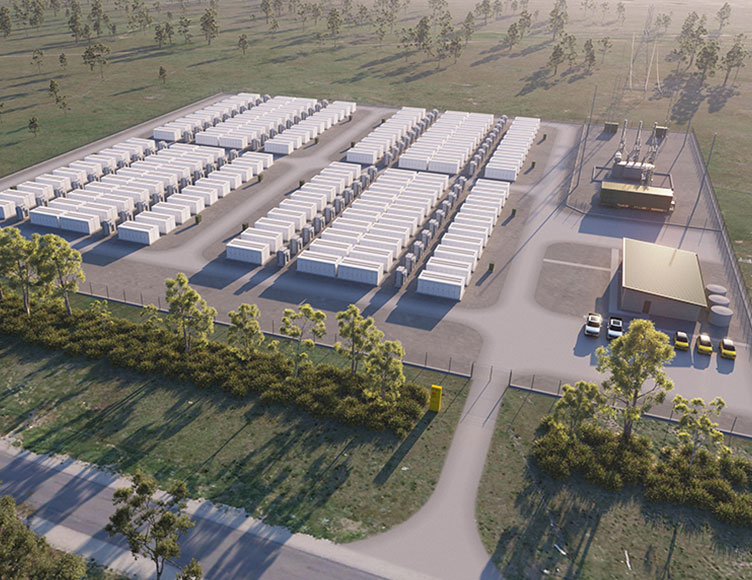
Vietnam’s power system is entering a pivotal transformation phase, driven by the dual pressures of ensuring energy security amid rapid economic growth and fulfilling international commitments to achieve Net Zero emissions. In this context, Battery Energy Storage Systems (BESS) have evolved beyond the status of an expensive experimental technology to become an essential infrastructure pillar of the national power system. The following summary is compiled by Vietnam Energy Magazine based on reports from EVN.
Recognizing the urgency of securing reliable electricity supply, Vietnam Electricity (EVN) has been actively accelerating a comprehensive BESS development roadmap. This roadmap goes beyond strategic studies and has already been translated into practical actions — including assessing the system’s storage capacity requirements, identifying installation locations, defining system design approaches, arranging financing, implementing investments, and coordinating grid dispatch and operations.
1. BESS Orientation and Demand in Vietnam’s Power System under the Revised PDP VIII
According to the revised National Power Development Plan VIII (PDP VIII) and its implementation roadmap, battery storage systems are planned to support grid operation and integrate with renewable energy sources, with installations distributed near major wind and solar generation hubs or within load centers. Vietnam’s BESS development target by 2030 is set at 10,000–16,300 MW.
Under the revised plan, utility-scale solar power projects are required to integrate battery storage systems with a minimum capacity equivalent to 10% of the project’s installed capacity and a storage duration of at least two hours. Additional standalone storage capacity will be deployed based on actual system operation needs.
BESS is also positioned as part of broader projects aimed at enhancing grid control and operational flexibility, including technologies such as reactors, capacitor banks, SVC, SVG, FACTS devices, synchronous condensers, and substation upgrades.
2. EVN’s BESS Deployment Strategy through 2030
EVN has worked closely with the National System and Market Operator (NSMO) to assess Vietnam’s BESS demand under four electricity demand growth scenarios — 8.5%, 10.2%, 11.7%, and 14.1% annually — while also defining the operational objectives of energy storage systems.
The analysis indicates that Northern Vietnam will require BESS capacity throughout the 2026–2030 period, with demand estimated at 1.35–2.8 GW in 2026 and potentially increasing to 1.7–6.5 GW by 2030 depending on load growth scenarios.
In Southern Vietnam, BESS demand is expected to emerge from around 2027–2028, primarily to support peak shaving for the national power system. Beyond peak demand management, BESS can also help reduce grid congestion, provide primary and secondary frequency regulation, and support voltage control.
EVN has instructed its subsidiaries to conduct extensive reviews of existing grid infrastructure, assess interconnection capabilities, and identify the most feasible installation sites. The review identified approximately 1.3 GW of installation potential in Northern Vietnam and around 2.0 GW in Central and Southern Vietnam. Additional locations are continuing to be evaluated, particularly near newly developed substations, to prepare for future load growth associated with Vietnam’s targeted double-digit economic expansion during the 2026–2030 period.
Based on these assessments and NSMO calculations, EVN has assigned its units to study and implement BESS projects with a total planned capacity of approximately 2 GW during 2026–2030 under the baseline 8.5% load growth scenario, while remaining prepared for higher-demand scenarios.
3. Key Challenges and Obstacles
Unclear Classification of BESS Deployment Models
While the revised PDP VIII defines the overall BESS development target of 10,000–16,300 MW and outlines deployment objectives such as supporting grid operation and integrating renewable energy, the specific breakdown by project type has not yet been clarified. There is currently no detailed methodology or guidance for implementation.
Operational and Technical Challenges
Integrating distributed BESS across transmission and distribution networks requires advanced dispatch, control, and coordination capabilities. Vietnam currently lacks comprehensive technical standards and regulations covering centralized versus decentralized control models, operating modes such as peak shaving, overload prevention, frequency regulation, and voltage support, as well as coordination mechanisms between BESS and other generation assets.
In addition, standardized tools and operational procedures for forecasting and optimizing BESS dispatch alongside renewable energy generation and load demand are still under development.
Another challenge relates to energy losses. With current round-trip efficiencies of around 85% per charge-discharge cycle, BESS operation may significantly affect utilities’ grid loss indicators.
Technical Standards, Fire Safety, and Environmental Regulations
Vietnam’s technical standards and regulations for BESS — especially for installations within or near 110 kV substations — remain incomplete and inconsistent, creating difficulties in project design, approval, and implementation.
Specific fire prevention and firefighting guidelines for lithium-ion battery systems are also lacking, particularly regarding safety distances, fire containment measures, dedicated suppression systems, ventilation requirements, and thermal monitoring. As a result, developers often rely on foreign standards, which prolongs approval processes and creates legal uncertainties.
Furthermore, Vietnam has yet to establish detailed regulations for environmental management, battery recycling and disposal after end-of-life, or technology selection criteria for systems such as LFP, NMC, containerized, or centralized BESS configurations.
Financing Challenges
Mobilizing capital remains difficult given the large-scale investment requirements. EVN and its subsidiaries are simultaneously investing heavily in nationwide transmission and distribution infrastructure, placing significant pressure on financial resources.
Investment Mechanism Limitations
Although EVN units are already implementing BESS projects under existing mechanisms, these frameworks still require further refinement to ensure flexibility and efficiency.
For example:
- BESS projects developed by regional power corporations are currently implemented under Circular No. 17/2025/TT-BCT regarding wholesale electricity pricing frameworks.
- Centralized BESS projects under National Power Transmission Corporation (NPT) and EVNPMB1 are being developed under Circular No. 62/2025/TT-BCT, which regulates pricing methodologies for BESS power generation services.
4. EVN’s Recommendations to the Ministry of Industry and Trade
EVN proposed several key recommendations for policymakers:
First
The Ministry of Industry and Trade should coordinate with the Ministry of Science and Technology, the Ministry of Public Security (regarding fire safety), and the Ministry of Natural Resources and Environment to establish synchronized technical standards, regulations, and guidelines for BESS systems.
These should include:
- Technical requirements for BESS design, installation, and integration, especially near 110 kV substations.
- Detailed fire safety requirements for lithium-ion battery systems, including safety distances, fire suppression solutions, ventilation, thermal monitoring, and other safety parameters.
- Environmental regulations covering lifecycle management, battery collection, recycling, and disposal.
- Guidance on selecting suitable BESS technologies for Vietnam’s grid conditions, including LFP, NMC, containerized, and centralized configurations.
Second
The Ministry should direct the Institute of Energy — the consulting agency responsible for the revised PDP VIII — to further clarify the structure and allocation of the planned 10,000–16,300 MW BESS target by project type and application category. This structure should then be officially approved to support implementation planning.
Third
Clear guidance should be issued recognizing grid-support BESS systems as assets that enhance substation and grid operational capability, enabling more flexible deployment planning. This would allow EVN’s power corporations and the National Power Transmission Corporation to work annually with NSMO to determine BESS demand, capacity, and installation locations.
5. Next Steps
In the coming period, EVN plans to continue hiring qualified consultants to conduct research and assessments on BESS demand by application type and implementation phase, potentially leveraging support from international organizations such as the Australian Government and the World Bank.
These studies will evaluate BESS roles in applications such as:
- Renewable energy balancing and dispatch support
- Load shifting and peak shaving
- Grid congestion reduction
- Voltage quality improvement
- Power supply for islands and remote areas
- Deferring or replacing grid infrastructure investments
Based on these findings, EVN and its subsidiaries will develop suitable investment plans.
At the same time, private investors outside EVN are also actively deploying BESS systems integrated with rooftop solar projects for self-consumption or electricity cost optimization. Some renewable energy projects with integrated BESS may also contribute to peak demand management.
Accordingly, EVN will continue:
- Monitoring BESS deployment activities by non-EVN investors while reviewing financing capabilities and identifying additional feasible installation sites for future projects.
- Working closely with NSMO to refine BESS demand calculations and establish technical requirements for dispatch, integrated control, and optimization of distributed BESS systems.
Source: Editorial Board of Vietnam Energy Magazine