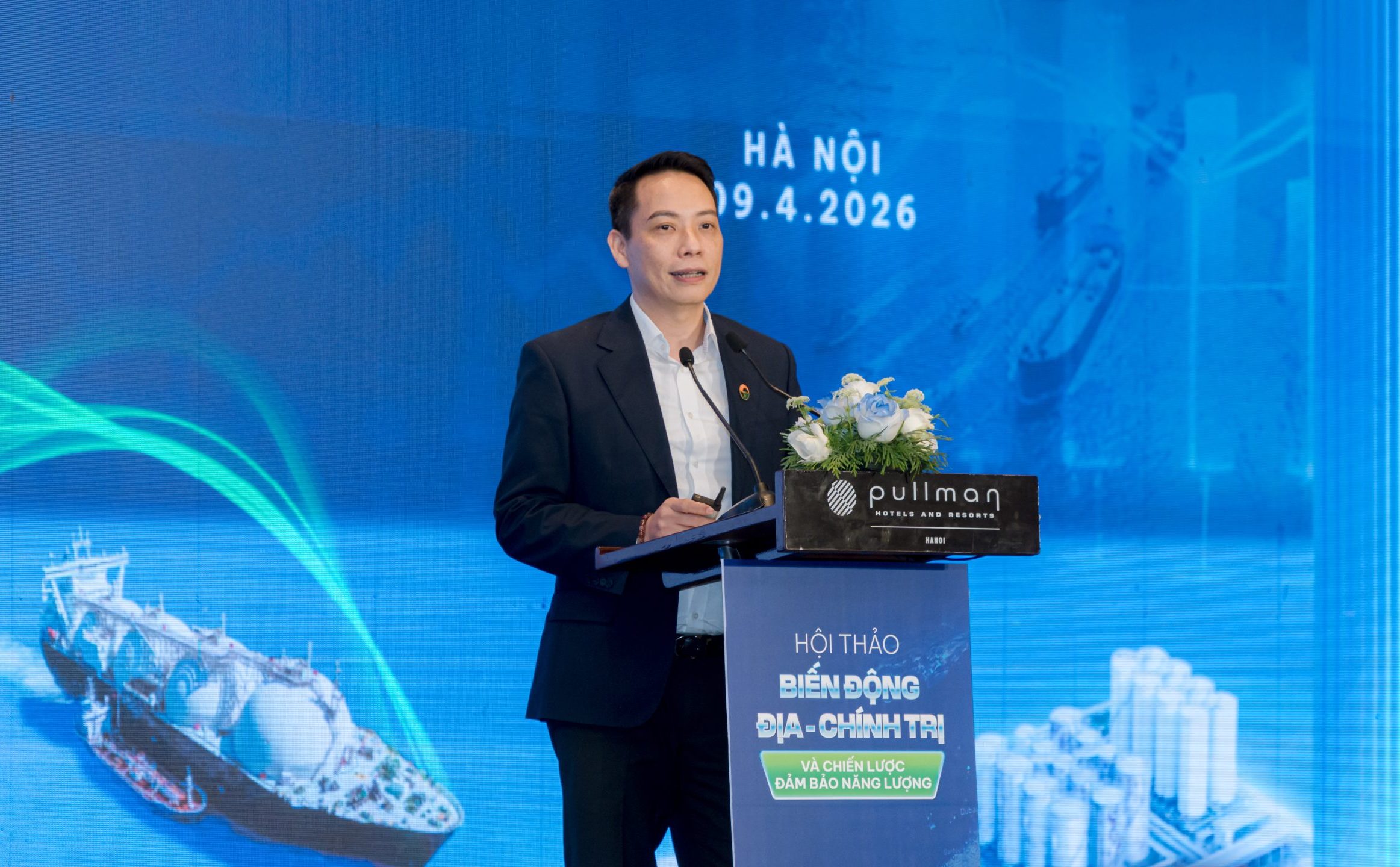
Energy security in the coming period is not only about ensuring sufficient electricity supply, but more importantly about building the capability to master the entire energy system—from technology and infrastructure to the supply chain. In this context, battery energy storage systems are becoming an essential infrastructure component of national energy security.
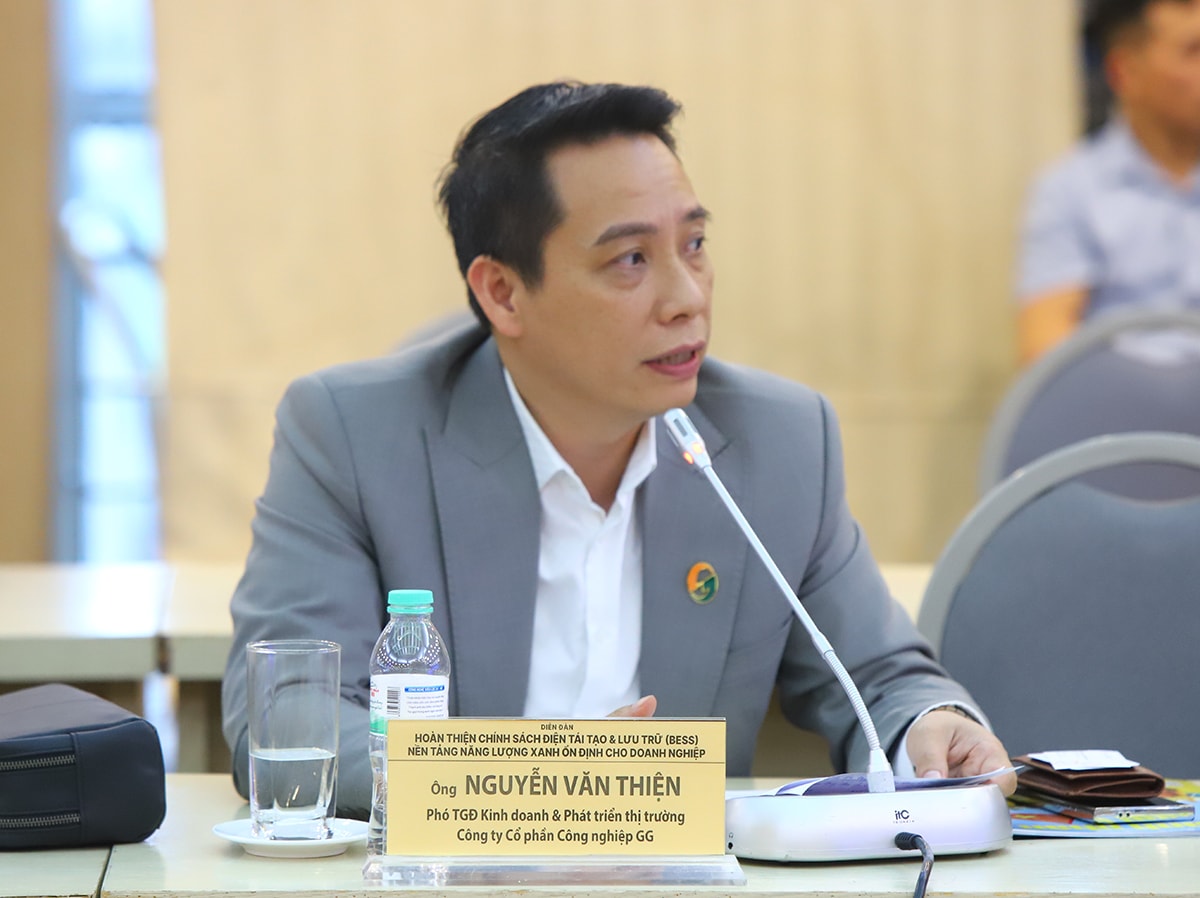
This was the view shared by Mr. Nguyễn Văn Thiện, Deputy CEO of GG Power, on the sidelines of the seminar “Geopolitical Volatility and Energy Security Strategies” held on April 9.
 |
| Mr. Nguyễn Văn Thiện, Deputy CEO of GG Power. |
 |
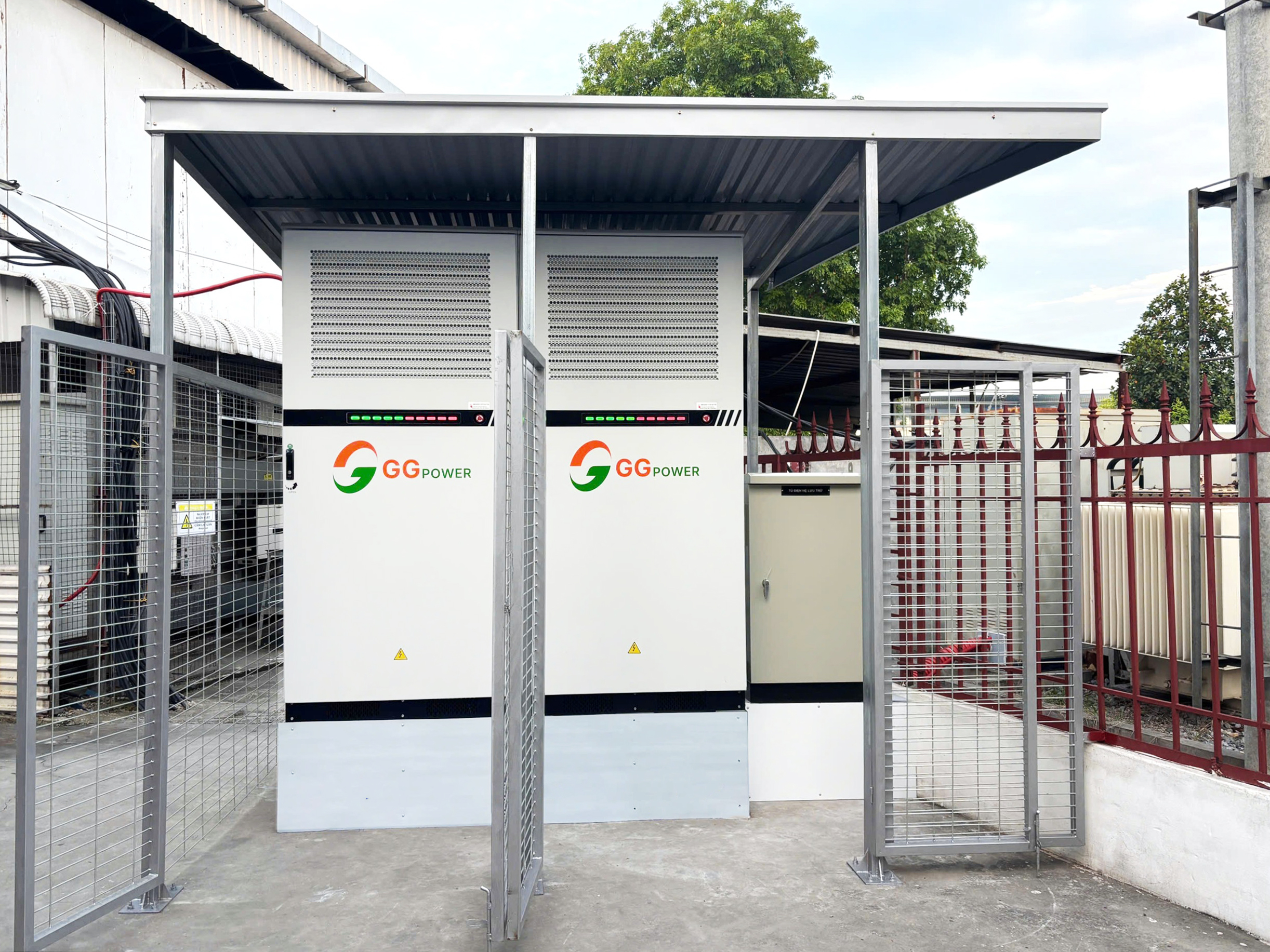
| The outlook for energy storage batteries is driven by three main factors: rapidly growing market demand, the requirements of the energy transition, and the goal of enhancing national energy self-reliance. Photo: Internet |
In addition, for this sector to develop effectively, policies need to be designed in a more coordinated manner—particularly by establishing appropriate pricing mechanisms for energy storage services, encouraging investment in both industrial and residential segments, and promoting technology localization. This is not merely a technical issue; it is directly linked to national energy self-reliance and the overall competitiveness of the economy.
In this transition, businesses will play a central role—not only as electricity consumers, but also as investors, operators, and managers of energy systems within their own facilities. This will become a key trend in modern energy systems.
For Vietnam, as electricity demand is projected to continue rising to support double-digit economic growth, the development of energy storage systems is not just a technological solution, but a strategic choice to enhance the adaptability of the energy system amid increasingly unpredictable global energy market fluctuations.
Energy is no longer simply an input for production—it is becoming a decisive factor in national competitiveness.
Reporter: How do you assess the prospects for the BESS market and the battery manufacturing industry in Vietnam?
Mr. Nguyễn Văn Thiện: The prospects for the BESS market and the battery manufacturing industry in Vietnam are very clear, and they could become one of the country’s next strategic industries over the coming decade.
This outlook is driven by three key factors: rapidly growing market demand, the requirements of the energy transition, and the goal of enhancing national energy self-reliance.
First, in terms of market demand, Vietnam is entering a phase of strong growth, with rapid industrialization and urbanization driving increasing and more complex electricity demand.
In particular, the expansion of energy-intensive sectors such as data centers, high-tech manufacturing, logistics, and export-oriented industries is placing high demands on power stability and quality. In this context, demand for energy storage solutions to ensure flexible and secure system operation will rise significantly in the coming years.
Second, from the perspective of energy transition, large-scale renewable energy development requires corresponding storage capacity to optimize electricity usage and reduce pressure on transmission systems.
This means that the BESS market will no longer remain a niche segment but will become an essential component of future energy infrastructure, similar to power generation and grid systems today.
More importantly, we believe the greatest potential of Vietnam’s battery manufacturing industry lies in national energy self-reliance. In the context of increasingly volatile global energy supply chains, mastering technology and production capacity for energy storage equipment will help Vietnam reduce import dependence, enhance system autonomy, and improve resilience to external risks.
This is not only an economic or technological issue, but a fundamental pillar of long-term energy security.
Reporter: Based on your practical experience, how can businesses contribute to developing the still-emerging BESS ecosystem in Vietnam? Do you have any recommendations regarding policies, mechanisms, or the investment environment to promote effective and sustainable growth in the energy storage sector?
Mr. Nguyễn Văn Thiện: We see GG Power not only as a manufacturer of energy storage batteries, but as a contributor to building Vietnam’s long-term energy security foundation.
Accordingly, we help ensure energy security at the enterprise level through storage solutions that reduce peak demand, provide backup power, and optimize electricity costs.
At the same time, we support the efficient integration of renewable energy into the grid, helping to alleviate overload and reduce curtailment, thereby improving the utilization of clean energy sources.
We also promote localization of the energy storage value chain, reducing reliance on imported equipment while enhancing control over costs, technology, and project implementation timelines.
To ensure effective and sustainable development of the energy storage sector, we believe four key policy areas should be prioritized:
First, pilot pricing mechanisms for energy storage systems should be introduced. Once clear pricing frameworks are established, the market will receive transparent and sustainable investment signals.
Second, initial financial support policies are needed, particularly for households and businesses investing in solar-plus-BESS systems, to shorten payback periods and accelerate early-stage market growth.
Third, public energy and infrastructure projects should prioritize the use of domestic products and solutions when they meet technical and safety standards. This will incentivize local enterprises to invest in R&D, manufacturing, and technology mastery.
Fourth, technical standards, safety regulations, and operational procedures for battery energy storage systems should continue to be refined. This is a prerequisite for ensuring a safe, sustainable market aligned with international practices.
In an increasingly uncertain world, energy is no longer just a resource for production—it has become a core pillar of national competitiveness.
With strong collaboration between the government and businesses, we believe Vietnam can build a modern energy storage ecosystem, enhancing grid flexibility and strengthening national energy self-reliance.
According to Kinh tế Tài chính Magazine.