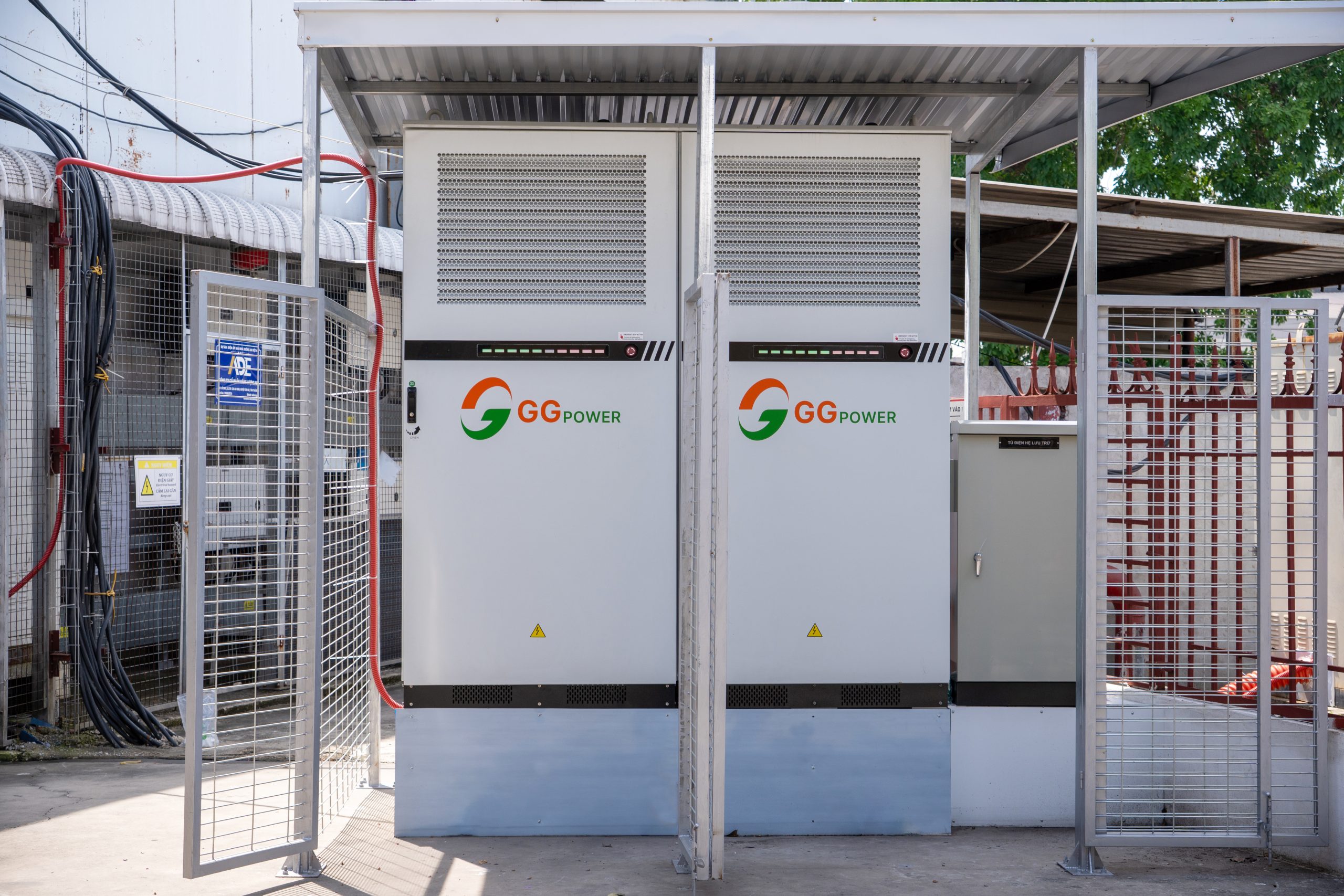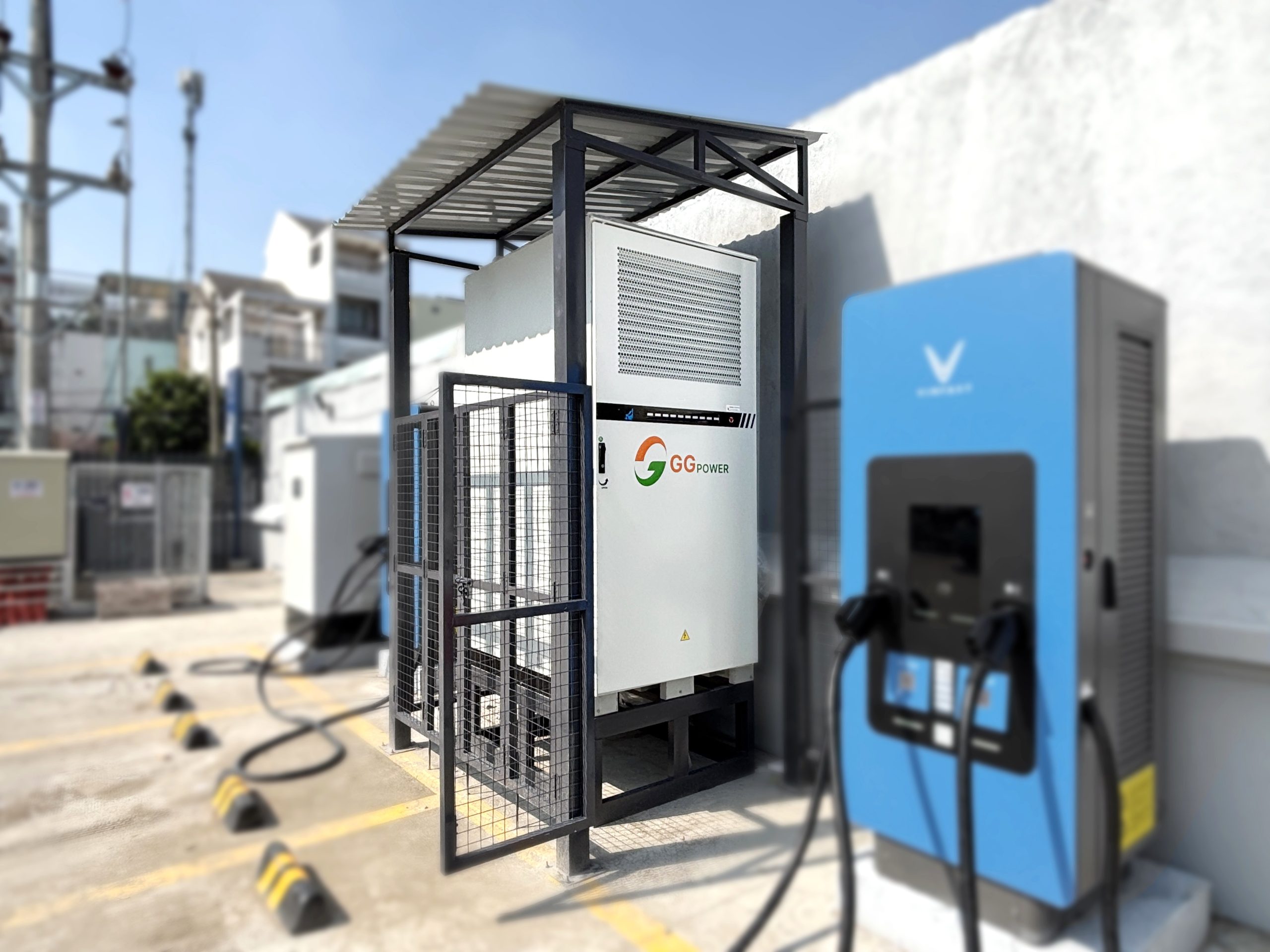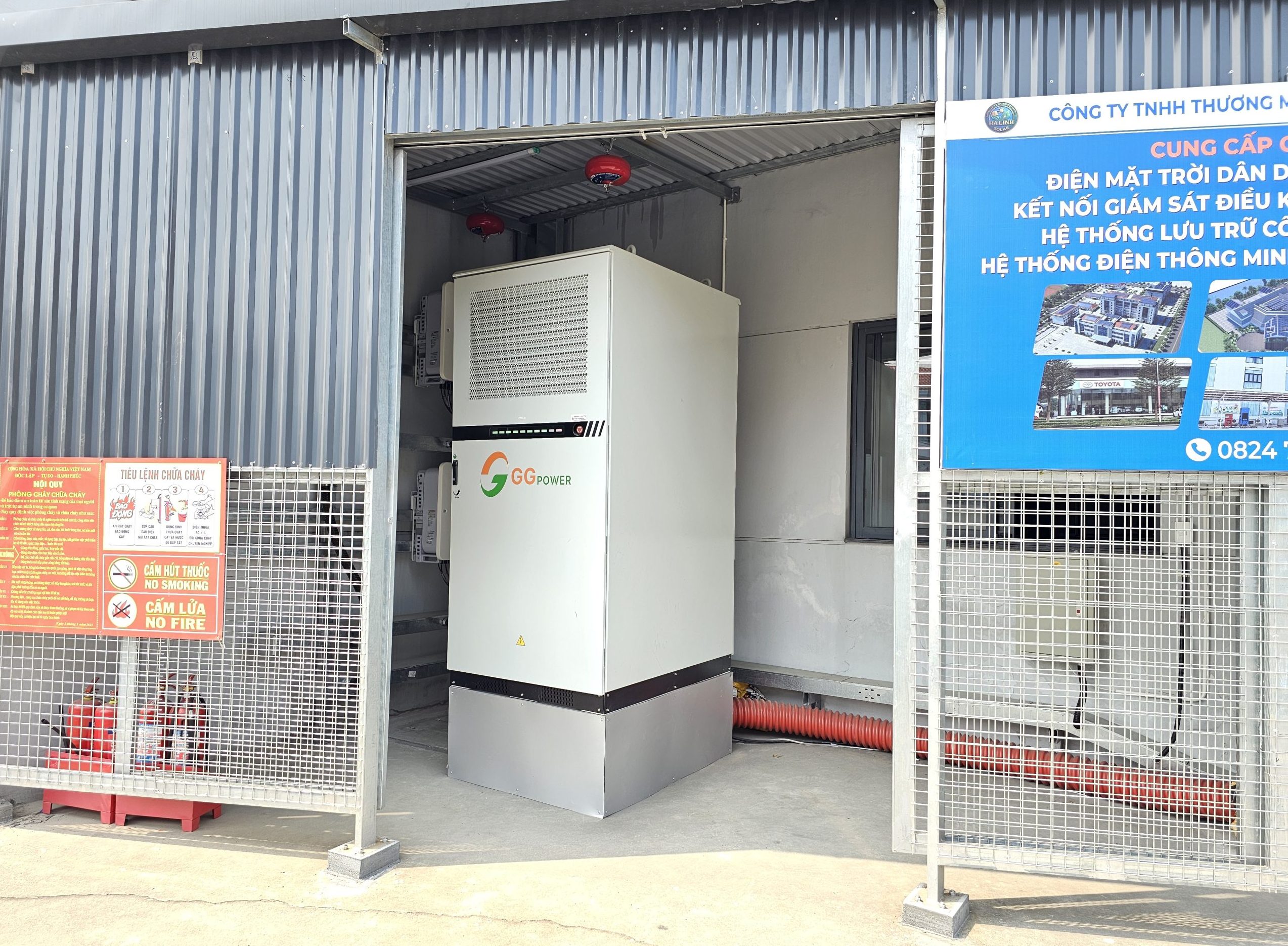
Energy storage is emerging as a strategic pillar of the global green transition, opening up new opportunities for Vietnam to enter a new industrial value chain.
As the world accelerates, energy storage becomes a “golden link”
The global race toward green energy is entering a new phase. While the initial focus was on rapidly expanding renewable power generation, the challenge has now clearly shifted toward storage capacity, system balancing, and ensuring overall grid stability. Wind and solar power can generate clean energy, but for that energy to be effectively integrated into production and the broader economy, battery energy storage systems (BESS) are becoming an indispensable component.
From this perspective, Vietnam’s story is closely aligned with global trends. In recent years, renewable energy has grown rapidly, laying a new foundation for the power system and raising high expectations for the green transition. However, this progress also highlights an increasingly urgent requirement: without adequate storage capacity, renewable energy cannot fully realize its potential, ensure reliability, or serve as a sustainable foundation for long-term economic growth.
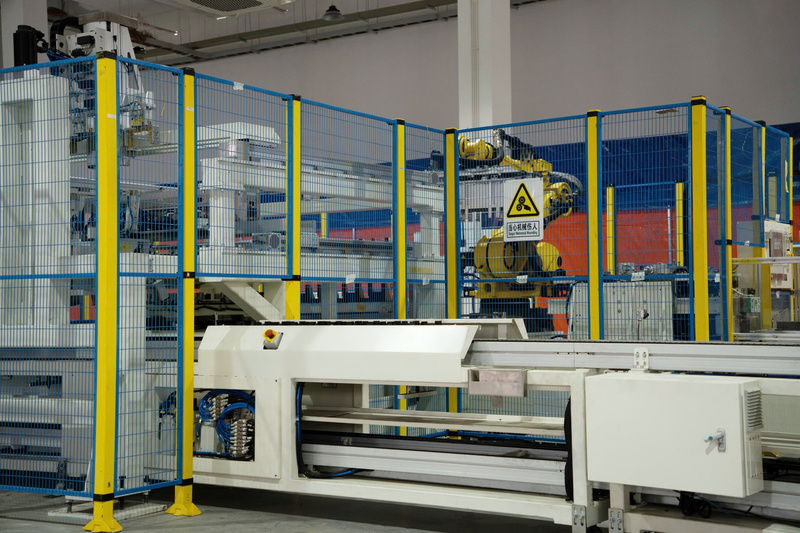
Vietnam at the forefront of shaping the energy storage battery industry.
In an interview with Industry and Trade Newspaper, Associate Professor Dr. Dinh Trong Thinh, an economic expert, emphasized that renewable energy is an essential global trend. However, for it to be sustainable and truly effective, it must have a “foundation” — namely, an integrated energy storage system. This is because renewable power sources can only generate electricity during certain periods, while at night or under unfavorable natural conditions, supply becomes limited. Therefore, energy storage has become one of the most critical challenges today. Such systems must not only be sufficiently large and capable of continuous operation, but also flexible enough to regulate supply in real time to meet the demands of both production and daily life. “However, current challenges stem from multiple factors, including high investment costs, technological constraints, and infrastructure limitations, which continue to hinder large-scale deployment,” Dr. Thinh noted.

Associate Professor Dr. Dinh Trong Thinh, economic expert. Photo: Anh Huy
Against this backdrop, Vietnam’s current situation reveals a noteworthy paradox. While demand is clearly emerging and growth potential is real, most energy storage battery systems still rely heavily on imports, with domestic manufacturing capabilities yet to take shape. However, viewed from another angle, this is not entirely a negative picture. New markets often begin with gaps — and if those gaps are properly identified and addressed with the right strategy, they can become significant opportunities for growth.
According to experts, the issue is not merely recognizing demand, but determining the right path forward. Associate Professor Dr. Dinh Trong Thinh noted that energy storage is a challenging field, as it is a relatively new, technology-intensive industry that requires substantial time for research, technological development, and the building of internal capabilities. For sustainable development, Vietnam must gradually master core technologies and establish linkages across the value chain. Only then can it ensure safety, reduce dependence on external sources, and enhance long-term operational capacity. He also emphasized that the opportunity to develop domestic manufacturing “is certainly within reach,” but the key lies in keeping pace with technological advancements, innovation, and global industry trends.
From market gaps to the emergence of a manufacturing hub
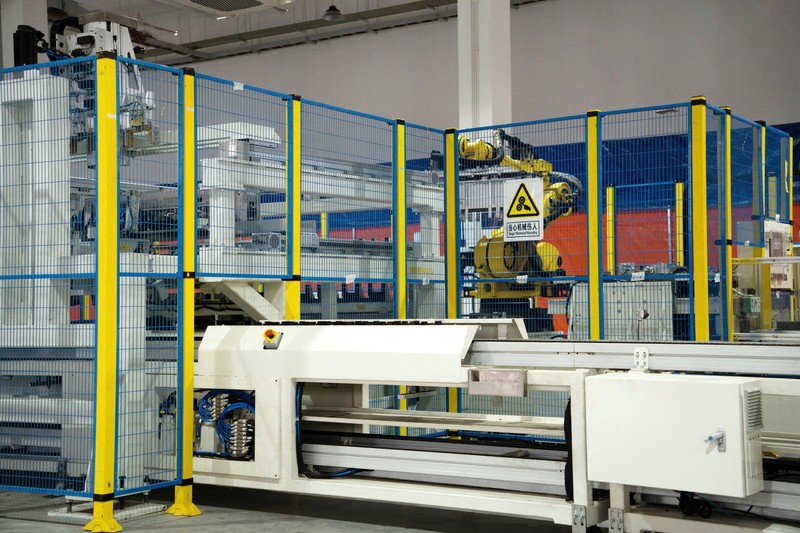
If the expert perspective lays the groundwork in terms of policy, technology, and long-term direction, businesses view the BESS market through a different lens — one shaped by real-world investment decisions. Notably, rather than following conventional paths, some Vietnamese companies have begun choosing a more challenging route: moving directly into technology development and manufacturing.
Mr. Bui Xuan Binh, Chairman and CEO of GG Power Group Joint Stock Company, shared that through his visits and collaborations with partners in the United States, China, and Europe, what he observed was not just the development of a single product, but the rapid transformation of the global energy industry as a whole.
“In this context, we faced multiple strategic options. Some suggested starting with trading to better understand the product and build a customer base before moving into manufacturing. However, we asked ourselves whether we truly had a competitive advantage in trading, whether we already had an established market, and where our core strengths lay. Ultimately, we recognized that our strengths are in technology, manufacturing organization, and system development. Therefore, we chose to go directly into production — creating products that meet international standards and align with real market needs,” Mr. Binh said.

Mr. Bui Xuan Binh, Chairman and Chief Executive Officer of GG Power Group Joint Stock Company
This strategic choice entails greater challenges, as the market is not yet fully ready and customer trust has yet to be firmly established. However, according to Mr. Binh, this very reality compels businesses to rely on their core strengths.
“When a strong commercial customer base has not yet been formed, competitive advantages must come from technology, products, manufacturing facilities, and supply chains. To gain market acceptance, it is essential to demonstrate that the product delivers real value, meets the highest safety standards, and addresses customer concerns through hands-on experience — helping them clearly understand how the system operates. Trust cannot be built overnight; it takes time,” Mr. Binh emphasized.
If achieved, this approach would not only enable companies to go far, but also to move faster. More importantly, the story extends beyond a single enterprise, reflecting a broader shift in mindset — from viewing BESS as an imported product for distribution to recognizing it as a potential industry that can be developed domestically in Vietnam.
This raises a new question: not whether Vietnam needs BESS, but when it can establish a true domestic manufacturing hub for BESS. Answering this question cannot rely solely on the efforts of individual enterprises; it requires the alignment of policy support and a long-term development vision.
According to Associate Professor Dr. Dinh Trong Thinh, turning opportunity into reality will require a clear roadmap, with a focus on mastering technology and building internal capabilities.
The expert noted that, in the initial stage, the government should play a supportive role by creating favorable mechanisms and policies to enable businesses to participate. If the sector demonstrates strong growth potential, the government may take a more active role in guiding market development. However, the most critical factor remains the establishment of a well-defined, long-term development strategy, which will serve as the foundation for a sustainable domestic energy storage battery industry.
Markets reward those who move at the right time and in the right direction. For Vietnam, BESS is no longer a distant global concept. Demand has arrived, the pressures of the energy transition are evident, and businesses willing to take on the challenge have already emerged. What remains is a strong policy push, a clear industrial direction, and sufficient confidence for the market to recognize that Vietnam is not merely observing the global energy storage race, but is preparing to claim a more prominent position on the map of green technology.
By Ha Hoa – Industry and Trade Newspaper