Against the backdrop of increasingly complex geopolitical conflicts, from Eastern Europe to the Middle East, the global energy market has been experiencing persistent volatility, creating serious risks for both prices and supply security. In practice, countries that rely heavily on imported energy are often more vulnerable to external shocks, whereas those that proactively develop domestic energy sources—especially renewable energy combined with energy storage systems—are better positioned to maintain stability. This creates an urgent imperative for Vietnam: to restructure its energy system toward greater self-reliance, flexibility, and resilience.
The global energy market is entering a period of unprecedented volatility. The Russia–Ukraine conflict has disrupted gas supplies to Europe, driving energy prices to record highs. According to the IEA (2024), gas prices in Europe at one point surged to more than five times their pre-crisis average.
Meanwhile, the Middle East—accounting for around 30% of global oil production—remains a geopolitical hotspot. Tensions have escalated further following the armed conflict involving the United States, Israel, and Iran that began on February 28, 2026, with no clear end in sight. Ongoing instability around key transit routes such as the Strait of Hormuz continues to pose significant risks of supply disruption.
Notably, today’s energy shocks are highly contagious. In an increasingly interconnected global economy, disruptions in one region can rapidly ripple across the entire system. Rising energy prices drive up production costs, fuel inflation, and directly impact people’s livelihoods.
Energy, therefore, is no longer merely an economic input—it has become a strategic variable closely tied to national security.
Energy Self-Reliance: From Option to Imperative
Harnessing Renewable Energy to Diversify Power Supply — Lessons from Spain
International experience shows that countries with a strong share of renewable energy are better equipped to withstand energy shocks.
Spain offers a compelling example. According to Red Eléctrica de España (2024), renewables account for around 56% of the country’s electricity generation. This has significantly reduced its dependence on imported gas.
Amid rising energy prices in Europe driven by geopolitical tensions in the Middle East, electricity prices in Spain have still fluctuated—but remained more stable compared to many other countries. This suggests that as the share of renewable energy increases, power systems become less sensitive to fuel price volatility.
A key lesson from Spain is that diversifying the power mix with renewables is not only an environmental solution, but also a strategic tool for ensuring energy security. At the same time, Spain has gained valuable—sometimes costly—experience in managing grid operations when renewable penetration becomes too high.
Dependence on Energy Imports — Cuba and the Lessons of Social Instability
Cuba’s case provides a clear illustration of the risks associated with heavy reliance on imported energy.
Fuel for the country’s thermal power plants has largely been imported—historically from Venezuela. However, as oil shipments from Venezuela declined, Cuba quickly descended into a severe energy crisis. As a result, the country has faced widespread fuel shortages and recurring blackouts, with electricity supply often falling far short of demand.
The consequences have been far-reaching: large-scale power outages, stalled industrial activity, and significant disruptions to daily life. Essential sectors such as healthcare, transportation, and food supply have all been affected. In some cases, nationwide blackouts have left millions without electricity, crippling basic services and economic activity.
More importantly, the crisis has extended beyond a technical issue to become a broader economic and social challenge. Prolonged outages, rising living costs, and shortages of essential goods have intensified public hardship and contributed to growing instability.
The key lesson is clear: dependence on imported energy can leave a country highly exposed—vulnerable and reactive in the face of geopolitical shocks.
Vietnam’s Renewable Energy Potential and Strategic Transition
Vietnam is widely recognized as one of the countries in the region with significant renewable energy potential. With a coastline stretching over 3,000 kilometers, the country is particularly well-positioned to develop wind power, especially offshore wind. According to the World Bank, Vietnam’s offshore wind potential could reach hundreds of gigawatts.
In addition, solar radiation levels in Vietnam are relatively high and stable, particularly in the central and southern regions, creating favorable conditions for solar power development.
Beyond large-scale projects, rooftop solar represents a highly promising form of distributed generation. With tens of millions of households, this could effectively function as a vast network of “small power plants” spread across the country.
Power Development Plan VIII: Renewables as the Long-Term Backbone
The revised Power Development Plan VIII clearly outlines a transition toward a greener, more sustainable, and self-reliant energy system.
By 2030, total installed power capacity is expected to reach approximately 150,000 MW, with renewable energy (excluding large hydropower) accounting for around 30–39%. This marks a significant shift, reflecting a gradual decline in the role of fossil fuels in the power mix.
Looking ahead to 2050, the transformation becomes even more pronounced. Renewable energy could account for 67–71% of total installed capacity, with wind and solar playing dominant roles. Including hydropower, low-carbon energy sources could exceed 80% of the total mix.
This indicates that renewables will not merely complement the system, but form its long-term foundation.
However, the rapid expansion of renewables also imposes new challenges on the power system. As weather-dependent sources grow, the traditional model—relying on stable baseload generation—must give way to a more flexible system.
In this context, two elements become critical:
- A modern transmission grid, capable of delivering large volumes of power from resource-rich regions (such as Central Vietnam, the Central Highlands, and offshore areas) to demand centers, with significantly higher reserve margins.
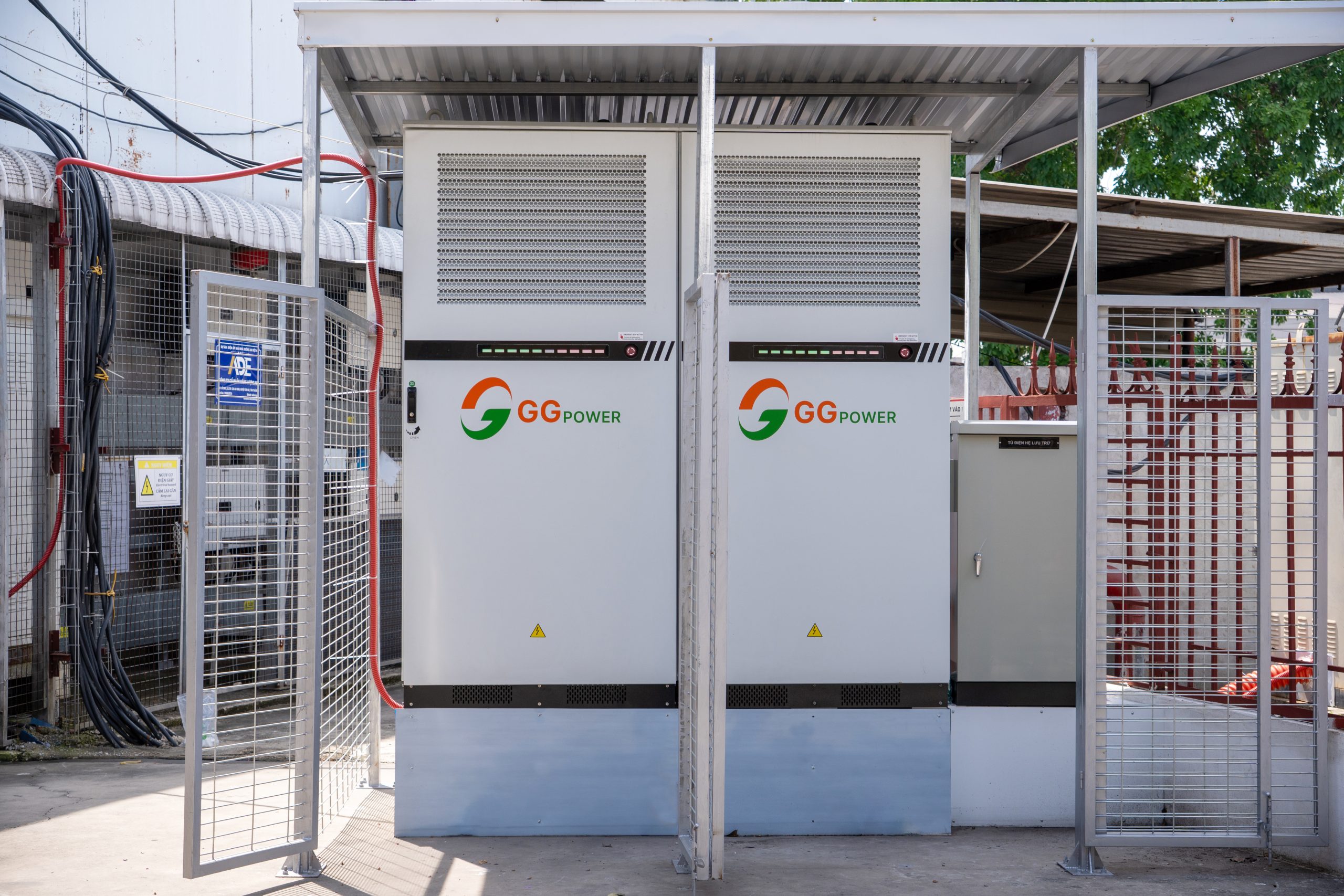
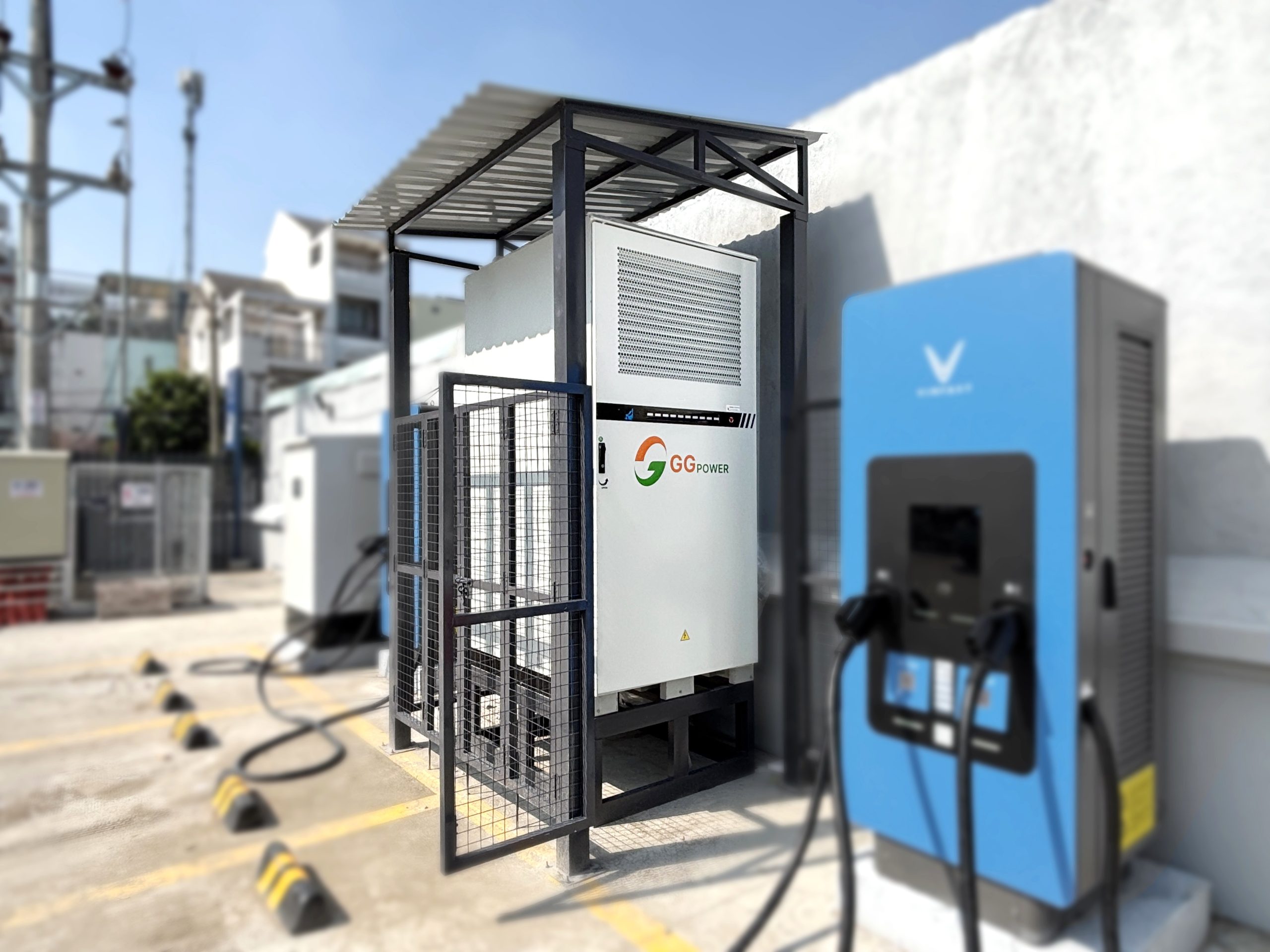
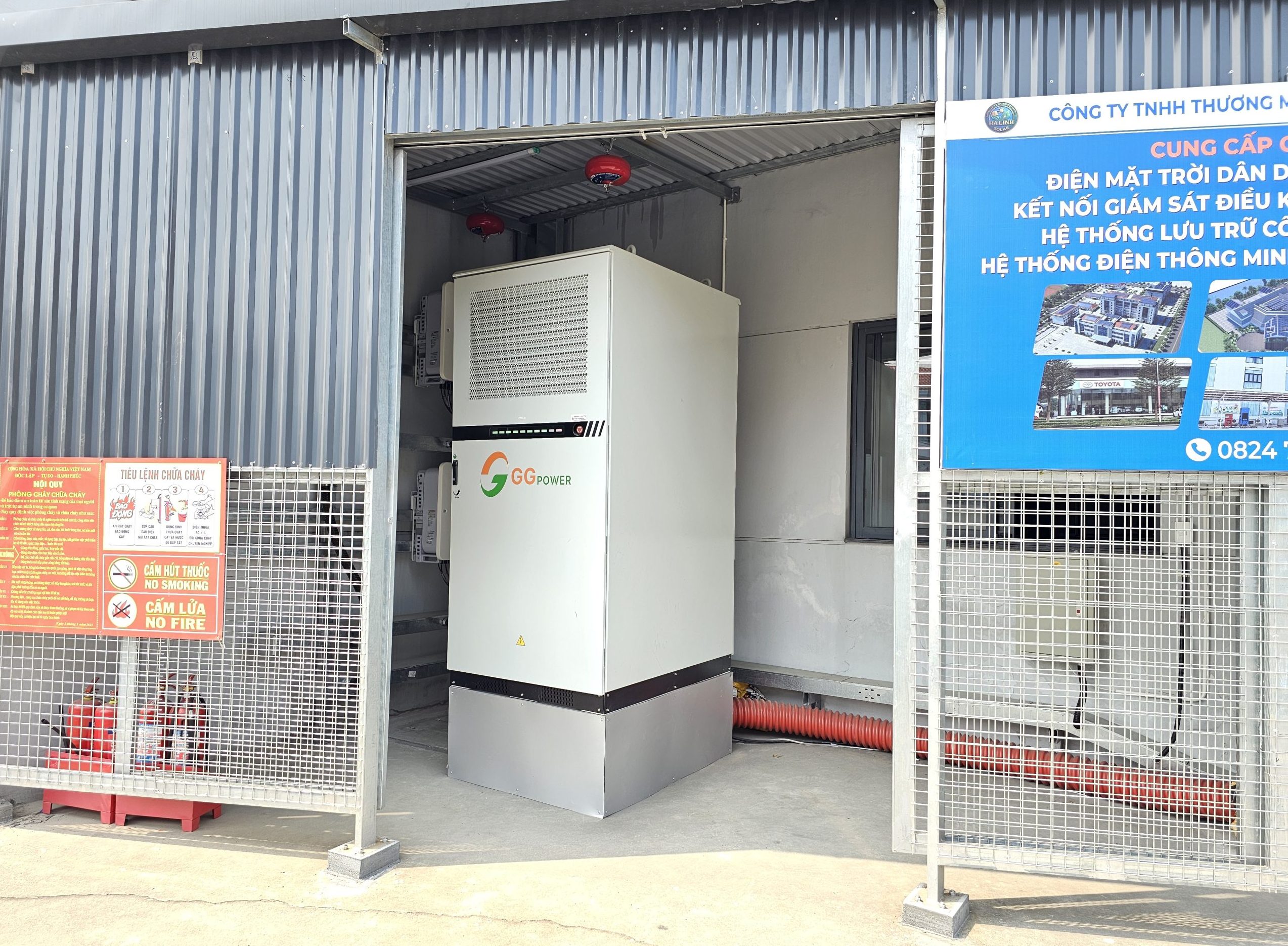
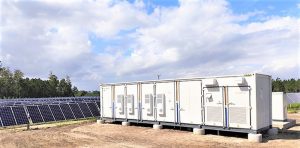
- Energy storage systems, which play a key role in balancing supply and demand and ensuring grid stability. These include pumped storage hydropower, battery storage, green hydrogen, and other emerging technologies.
In essence, Power Development Plan VIII is not just about expanding generation capacity—it represents a comprehensive transformation of the power system, where renewables combined with storage become the operational backbone.
Energy Storage: A Strategic Enabler
One of the key drivers of the energy transition is the rapid advancement of storage technologies.
According to IRENA (2023), the cost of lithium-ion batteries has declined by more than 80% between 2010 and 2023. Current storage system costs typically range from USD 150–300 per kWh and continue to fall.
This trend enables the effective integration of renewable energy with storage, addressing the intermittency of wind and solar power.
Policy Imperatives for Vietnam
To realize the goals of the revised Power Development Plan VIII, Vietnam will need bold and comprehensive policy measures—not only in generation development but also in market design and industrial strategy.
First, further development of a competitive electricity market is essential. While Vietnam is transitioning toward wholesale and eventually retail competition, the market still does not fully reflect real-time supply-demand signals. Mechanisms for ancillary services—such as frequency regulation, voltage control, and reserve capacity—should be established, allowing storage systems to participate and generate revenue.
Second, policies should strongly encourage rooftop solar development under a self-consumption model combined with storage. When millions of households and businesses become “prosumers,” the system becomes more flexible and reduces pressure on transmission infrastructure. However, as noted by the National System and Market Operator (NSMO), such development must be carefully managed due to operational challenges in coordinating large numbers of distributed sources.
Third, Vietnam should promote the localization of energy storage manufacturing. Currently, most battery systems are imported, primarily from China and other developed markets—creating a new form of dependency. Leveraging domestic demand, Vietnam can attract investment in battery production, gradually building technological capabilities and supporting industries such as electric vehicles and electronics.
Potential policy measures include:
- Investment incentives for battery manufacturing projects
- Support for research and development
- Development of technical standards and supporting industrial ecosystems
Fourth, policy consistency and stability are crucial. Past fluctuations in feed-in tariff (FIT) mechanisms have affected investor confidence. Given the long lifecycle of energy projects (20–30 years), stable policies are essential.
Finally, digitalization and advanced technologies must be integrated into system operations. With millions of distributed energy sources, traditional grid management approaches are no longer sufficient—smart dispatch systems using big data and artificial intelligence will be required.
Conclusion
In an increasingly uncertain world—where geopolitical shocks can rapidly spread across the global economy—energy has evolved beyond a purely economic sector into a core pillar of national security.
Recent international experience highlights a clear lesson: countries heavily dependent on energy imports are more vulnerable to external disruptions, while those that develop domestic energy sources—particularly renewable energy—are better able to maintain economic and social stability.
According to Vietnam’s National Energy Plan Adjustment (February 2026), net energy imports accounted for 42.1% of total primary energy supply in 2024, meaning domestic self-sufficiency stands at just under 58%. The plan sets a long-term goal of reducing net imports to around 10% by 2050.
For Vietnam, the energy transition is therefore not only about sustainability or emissions reduction—it is a strategic pathway toward greater economic autonomy.
In this transformation, renewable energy plays a central role—but it is not sufficient on its own. The real key lies in integrating renewables with energy storage and modern grid infrastructure, creating a flexible and adaptive energy system.
This model enables a shift from a centralized system dependent on a few large power plants to a distributed network of millions of smaller energy sources—enhancing resilience and reducing systemic risk.
At the same time, the transition opens up new industrial opportunities, particularly in renewable energy equipment and battery manufacturing. If effectively leveraged, Vietnam can move beyond being a technology consumer to becoming an active participant in global value chains.
Ultimately, countries that achieve energy independence will gain a decisive advantage in economic competitiveness and social stability. For Vietnam, developing renewable energy in combination with energy storage is not merely a technical solution—it is the foundation of a broader strategy for sustainable, independent, and resilient development.
In a volatile world, energy security is no longer just a sectoral issue—it is inseparable from national security and the country’s future trajectory. Energy self-reliance is no longer optional; it is a prerequisite for long-term national development.
According to the Scientific Council of the Vietnam Energy Magazine