Extreme Heat Drives Electricity Demand to Record Levels, Putting Unprecedented Pressure on Vietnam’s Power System
Severe heatwaves are pushing electricity demand to historic highs, placing Vietnam’s national power system under unprecedented strain, particularly in the northern region. While EVN and grid operators are mobilizing every available resource to ensure a stable power supply during the peak season, concerns over future electricity shortages remain, as several key power generation projects continue to face delays.
Electricity Demand Reaches New Peaks
Northern and Central Vietnam experienced prolonged periods of extreme heat throughout May 2026, with temperatures in many areas exceeding 40°C (104°F). The soaring temperatures have led to a sharp increase in electricity consumption, driving both the national grid and the Northern power system to consecutive record highs in peak demand and energy usage.
According to data from the power sector:
- On 13 May 2026, the national grid recorded a peak load of 52,487 MW, equivalent to approximately 95.5% of the highest level reached in 2025.
- Less than two weeks later, on 25 May 2026, peak demand climbed further to around 57,120 MW, representing a 13.5% increase compared with the same period last year.
- In Northern Vietnam alone, the power system reached an unprecedented peak load of approximately 29,667 MW, marking the highest level ever recorded in the region’s operating history.
These figures highlight the rapidly growing pressure on Vietnam’s electricity infrastructure as demand continues to rise during periods of extreme weather, reinforcing the need for greater grid flexibility, energy storage solutions, and timely investment in new power capacity.
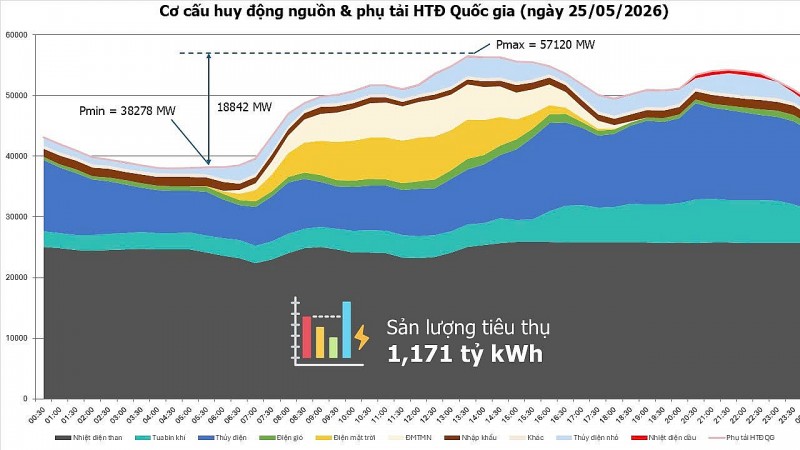 |
| Biểu đồ phụ tải và sản lượng tiêu thụ điện hệ thống điện quốc gia trong đợt nắng nóng ngày 25/5/2026. Nguồn: NSMO. |
Electricity Consumption Continues to Surge Nationwide
Electricity consumption across Vietnam has continued to rise sharply, with daily demand exceeding 1.17 billion kWh on several occasions. Notably, Northern Vietnam alone accounted for more than half of the country’s total electricity demand during these peak periods.
According to the National Power System Operator, electricity demand in the North during recent extreme heatwaves has significantly exceeded earlier forecasts. This indicates that the power system is operating under considerable stress, particularly during afternoon and evening peak hours when demand reaches its highest levels.
Vietnam’s Power System Under Increasing Pressure
In response to soaring electricity demand, Vietnam Electricity (EVN) has implemented a range of measures to ensure a stable and reliable power supply throughout the peak season.
According to EVN and the Ministry of Industry and Trade, every available generation source is being dispatched to meet demand, including hydropower, coal-fired plants, gas turbines, renewable energy, and even higher-cost generation sources such as oil-fired power plants.
The need to rely on these expensive generation resources highlights the limited reserve capacity currently available during periods of extreme demand. As electricity consumption continues to climb, the system is operating close to its maximum capability to avoid localized power shortages.
At the same time, EVN is working closely with the National System and Market Operator (NSMO) to optimize grid dispatch, monitor demand in real time, and prepare contingency plans for potential supply disruptions or system emergencies.
Ensuring the safe and stable operation of the transmission network has become one of the highest priorities during the summer peak. EVN has instructed its regional power corporations to strengthen inspection, maintenance, and operational monitoring in order to minimize the risk of localized overloads, particularly in areas experiencing rapid demand growth.
The utility has also significantly reduced planned outages for maintenance or construction work during the hot season and deployed personnel to provide 24/7 monitoring at substations, transmission corridors, and dispatch centers.
In Northern Vietnam, transmission teams have intensified field operations under challenging weather conditions to maintain uninterrupted electricity supply for Hanoi and other major load centers.
These developments underscore that, during periods of extreme heat, the challenge extends beyond power generation capacity. The resilience and secure operation of the entire transmission and distribution network have become equally critical to maintaining a reliable electricity supply.
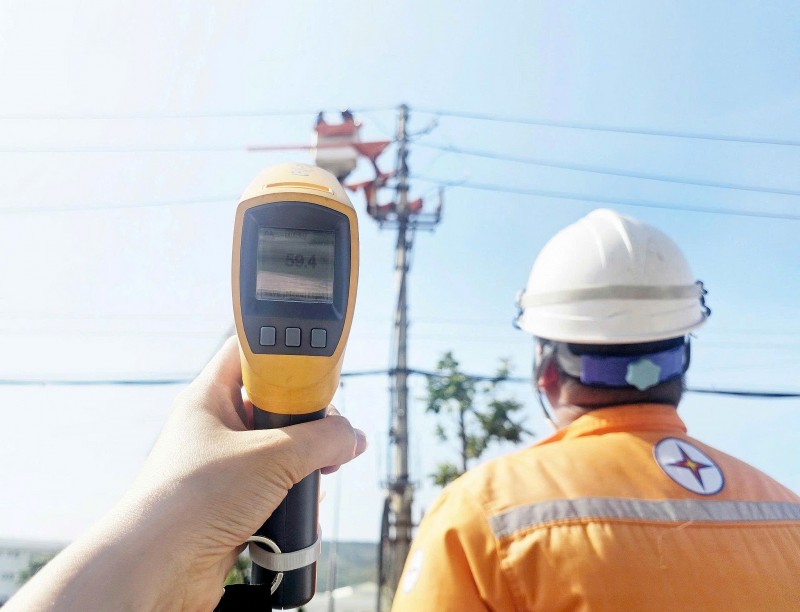 |
| In the final days of May, Northern Vietnam was hit by an intense heatwave. At many outdoor work sites, surface temperatures on concrete structures, steel frameworks, and electrical equipment reached nearly 60°C, highlighting the extreme conditions faced by power sector personnel during peak demand periods. Source: EVNNPC. |
Demand Response and Energy Efficiency: The “Cheapest Source of Power”
One of the key measures being actively implemented by Vietnam Electricity (EVN) is its Demand Response (DR) program.
According to the Ministry of Industry and Trade, the initiative has been expanded across Hanoi and many northern provinces to include large electricity consumers. Thousands of businesses have joined the program, collectively offering the ability to shift hundreds of megawatts of electricity demand away from peak periods.
At its core, Demand Response is a flexible grid management strategy designed to relieve pressure on the power system during periods of exceptionally high demand. Rather than relying on rotating power outages, utilities encourage businesses to voluntarily adjust production schedules or reduce electricity consumption during peak hours.
To prepare for potential localized shortages, several regional power corporations have also developed contingency plans that allow demand reductions of 5% to 30%, helping maintain overall grid stability when necessary.
Alongside these operational measures, EVN continues to encourage households and businesses to use electricity more efficiently, particularly during the evening peak period between 9:00 p.m. and 11:00 p.m.
Consumers are advised to set air conditioners at 26°C or higher, avoid operating multiple high-power appliances simultaneously, and switch off unnecessary electrical equipment whenever possible.
With the power system operating close to record peak loads, even modest reductions in electricity consumption by individual households can collectively make a significant difference in easing pressure on the national grid.
In fact, energy efficiency remains one of the most cost-effective energy resources available. Unlike building new generation capacity, reducing unnecessary electricity consumption requires little additional investment while delivering immediate benefits in maintaining system reliability during periods of peak demand.
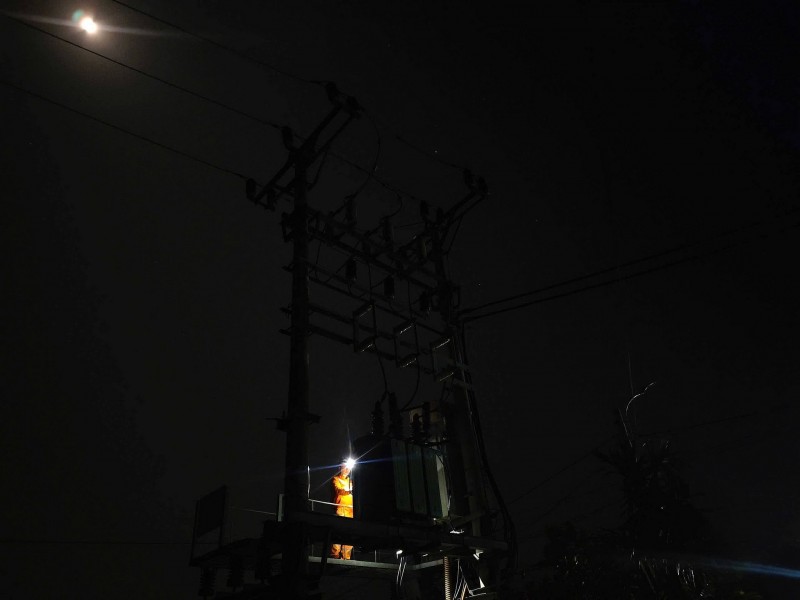 |
| Throughout the night, field crews remain on duty inspecting transmission and distribution networks, responding to faults, and carrying out essential operational tasks to ensure a stable and uninterrupted power supply for households and businesses during periods of extreme heat and peak electricity demand. |
Power Supply Challenges Are No Longer Seasonal
Although EVN has implemented a wide range of coordinated measures to ensure reliable electricity supply during the hot season, the fact that power demand continues to reach new record highs reflects the growing long-term pressure on Vietnam’s energy system.
According to assessments by the Government and the Ministry of Industry and Trade, several key power generation and transmission projects under the revised Power Development Plan VIII remain behind schedule, increasing the risk of electricity shortages in the years ahead.
Operational experience also shows that while renewable energy is playing an increasingly important role, the grid still relies heavily on dispatchable baseload generation—such as hydropower, coal-fired power plants, and gas turbines—to maintain reliability during periods of extreme heat and peak demand.
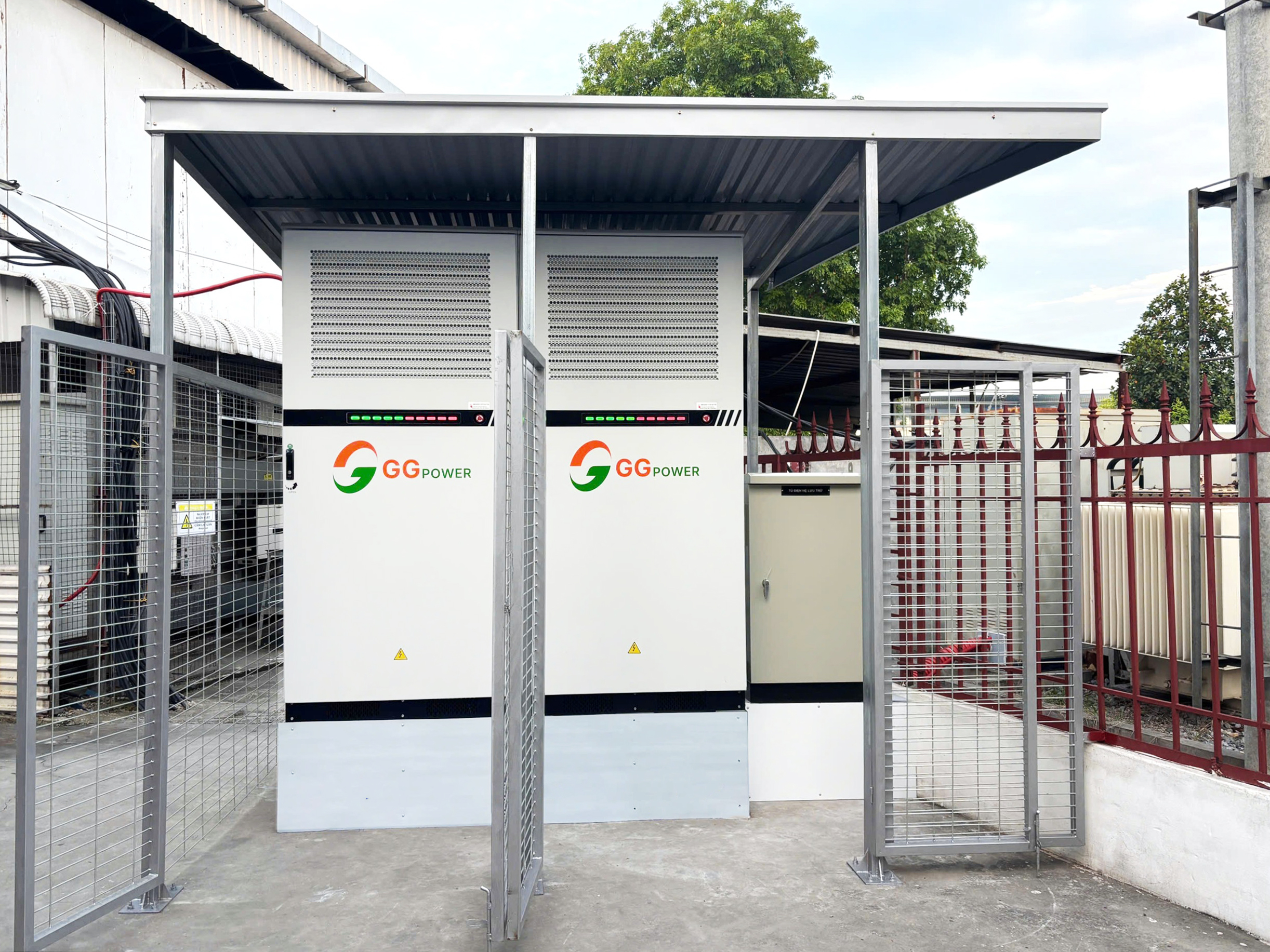
This is one of the reasons why the Government is accelerating the development of domestic gas-fired power plants, imported LNG projects, pumped-storage hydropower, nuclear energy, and Battery Energy Storage Systems (BESS) to strengthen long-term energy security and grid resilience.
At the same time, electricity demand is rising rapidly, driven not only by industrial production but also by the expansion of AI data centers, digital infrastructure, and future large-scale projects such as the North–South High-Speed Railway.
These trends demonstrate that ensuring an adequate electricity supply is no longer a seasonal challenge—it has become a long-term strategic issue for Vietnam’s energy security and economic development.
“No Electricity Shortages Under Any Circumstances”
At the meeting of the National Steering Committee for Key National Energy Programs and Projects on 26 May 2026, Deputy Prime Minister Pham Gia Tuc emphasized that maintaining a reliable electricity supply is essential to supporting economic growth, digital transformation, and the development of high-tech industries.
The Government has instructed ministries, agencies, and power sector stakeholders to comprehensively review supply-demand scenarios, accelerate critical power generation projects, and consider special mechanisms and expedited procedures for urgently needed energy infrastructure.
The commitment to “ensure there are no electricity shortages under any circumstances” underscores that energy security has become a national strategic priority.
Increasingly severe heatwaves are putting Vietnam’s power system under unprecedented stress. As electricity demand continues to break historical records, the power sector is mobilizing every available resource to ensure uninterrupted supply for both economic activities and daily life.
Measures such as maximizing available generation capacity, strengthening grid operations, implementing demand response programs, and encouraging energy conservation reflect the industry’s determination to avoid the power shortages experienced in previous years. However, operational solutions alone can only provide short-term relief and cannot replace long-term investment in new generation capacity and transmission infrastructure.
Ultimately, ensuring a reliable electricity supply during periods of extreme heat is no longer simply an operational challenge—it has become a key test of Vietnam’s ability to safeguard national energy security in an era of rapid economic growth.
As the country enters a new phase driven by artificial intelligence, data centers, advanced manufacturing, and high-speed rail infrastructure, electricity will no longer be viewed merely as a utility service, but as a foundational pillar supporting national competitiveness and sustainable development.