The Scientific Council of Vietnam Energy Magazine has shared several perspectives on the legal framework for BESS development in Vietnam for readers’ reference.
1. BESS Applications:
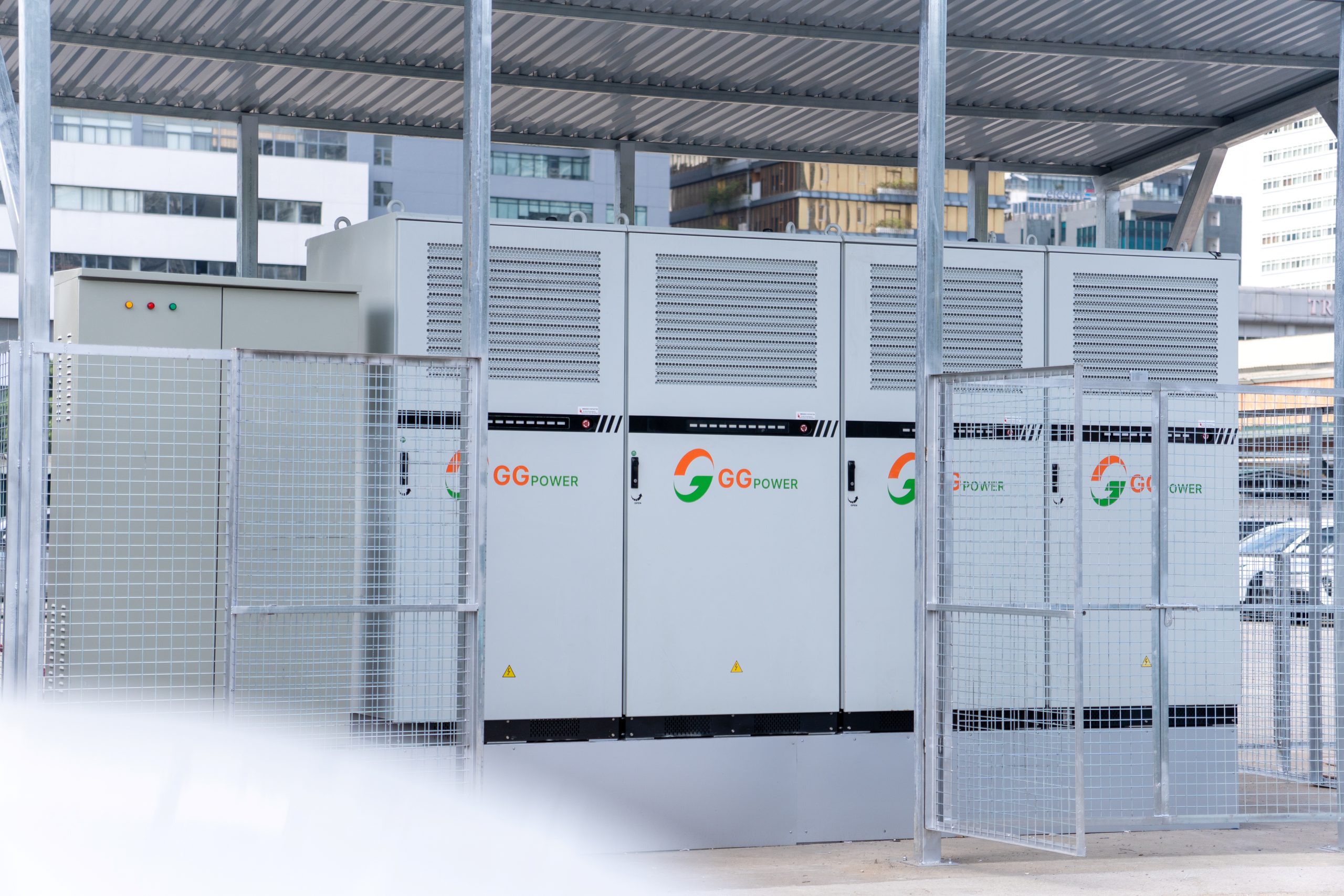
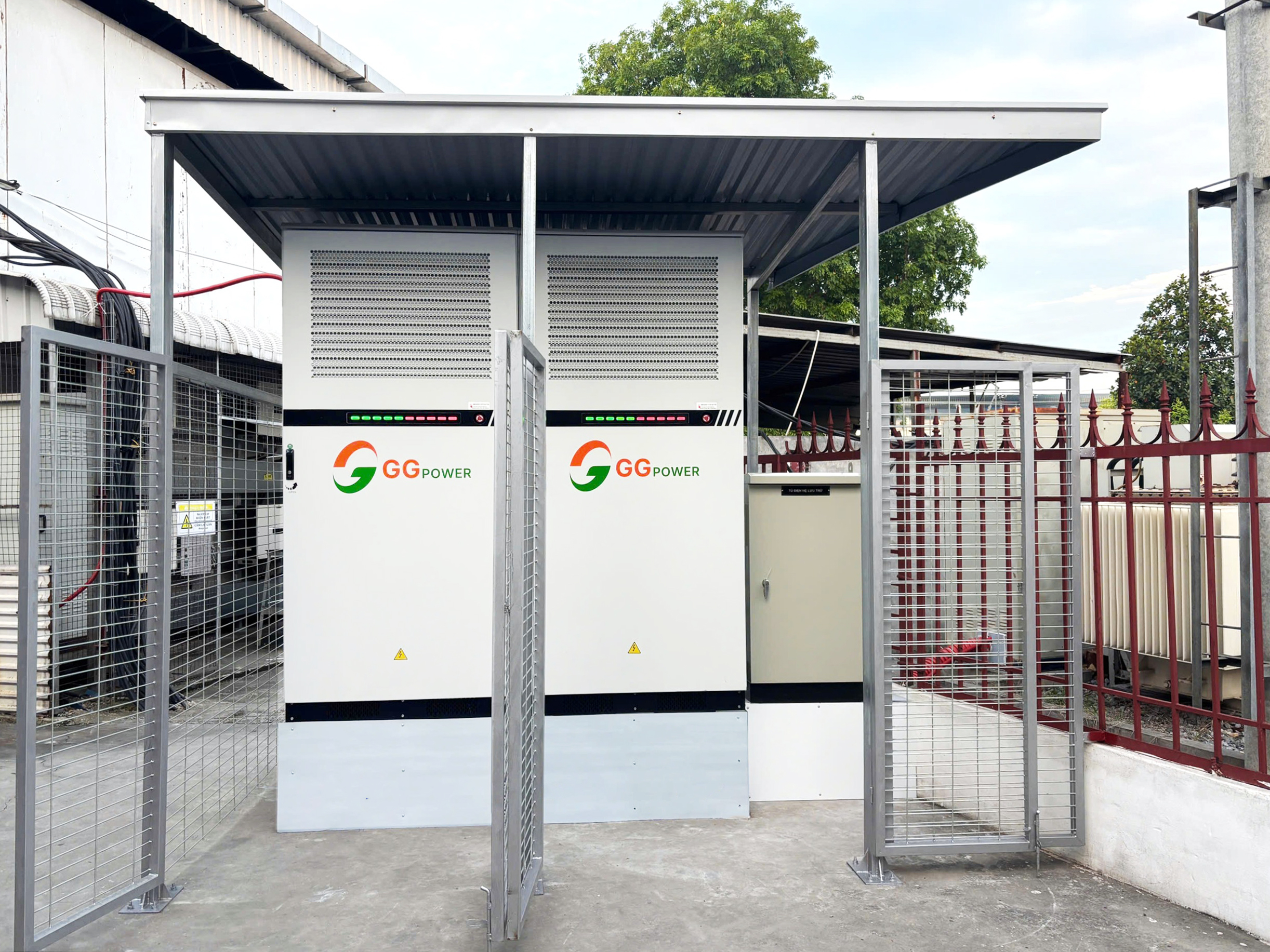
Battery Energy Storage Systems (BESS) are currently the fastest-growing form of energy storage worldwide. As electrification continues to expand across both industrial and residential sectors, BESS applications can generally be categorized into two main groups: front-of-the-meter and behind-the-meter systems.
- Front-of-the-meter applications include BESS integrated into transmission and distribution networks, power plants (particularly solar power plants), substations, and standalone BESS stations that support overall grid operations.
- Behind-the-meter applications include BESS used in electric vehicles (widely adopted today), commercial buildings, residential homes, industrial facilities, and microgrid systems.
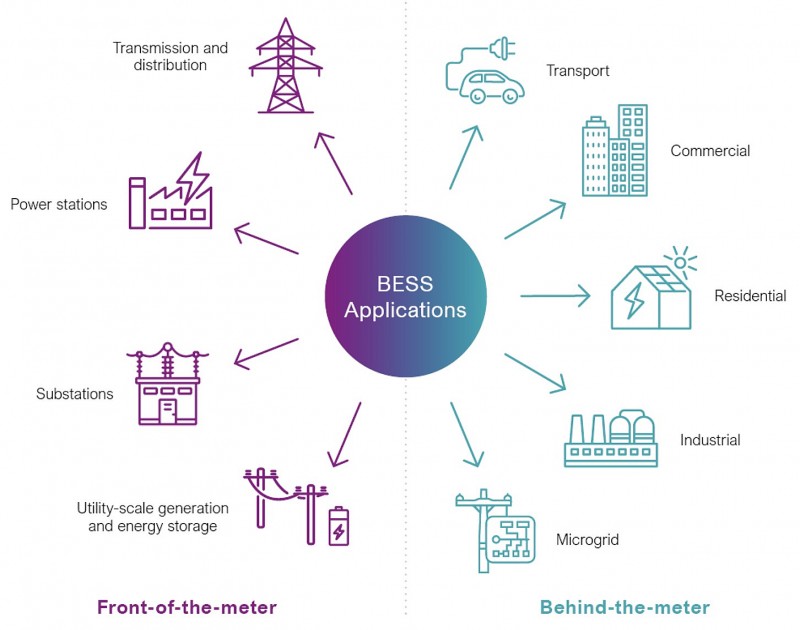 |
| Figure 1: BESS Applications |
2. Global Trends
3. Current Situation and Demand in Vietnam
Behind-the-Meter Applications:
With approximately 300,000 VinFast electric vehicles currently operating in Vietnam, each equipped with battery capacities ranging from 20 kWh to 123 kWh, the EV market alone already represents around 15 GWh of deployed BESS capacity. This is likely the largest existing BESS market in Vietnam today.
Vietnam currently has one battery manufacturing facility primarily serving the EV sector, while several domestic enterprises are also exploring investments in local BESS manufacturing.
In the industrial sector, electricity tariffs for 6 kV users are structured by time-of-use periods: approximately VND 1,300/kWh during off-peak hours (10:00 PM – 4:00 AM), VND 1,987/kWh during normal hours, and VND 3,640/kWh during peak hours (9:30 AM – 11:30 AM and 5:00 PM – 8:00 PM).
A number of factories have already begun deploying BESS solutions to charge during off-peak hours and reduce electricity consumption during peak-price periods. At current BESS pricing levels, industrial facilities with significant peak-hour demand can potentially recover their investment costs within 3–4 years through electricity cost savings.
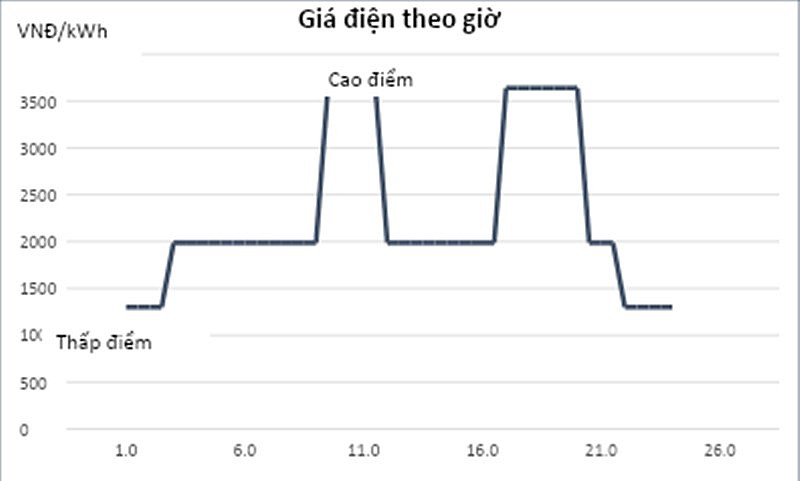 |
| Figure 2: Electricity Tariffs for Off-Peak, Normal, and Peak Hours |
Some foreign-invested enterprises (FDIs) aiming to operate on 100% solar energy have already deployed large-scale BESS installations — up to 50 MW — to store sufficient solar power for both daytime and nighttime consumption. Meanwhile, businesses that require uninterrupted operations are deploying smaller BESS systems to provide backup power in the event of unexpected outages.
In rooftop solar systems designed for self-generation and self-consumption, most electricity is generated around midday, while actual demand typically peaks in the late afternoon and evening. Without BESS, a significant portion of solar generation would be wasted. By integrating energy storage, excess solar power generated during the day can be stored and used later in the evening, helping households reduce electricity costs and improve energy efficiency.
Front-of-the-Meter Applications
According to the revised National Power Development Plan VIII (PDP VIII), Vietnam targets the deployment of 16,300 MW of battery energy storage capacity by 2030. A portion of this capacity is intended to provide real-time frequency regulation to mitigate fluctuations caused by solar and wind power generation. In addition, BESS will store excess solar energy generated at midday and discharge it during evening peak demand periods, reducing the need to curtail baseload power sources such as coal-fired generation during daytime hours. This represents a highly ambitious development target.
With 8,983 MW of utility-scale solar power and more than 6,000 MW of rooftop solar already installed, hydropower plants currently play the primary balancing role between midday solar generation and evening demand peaks. However, during special periods such as holidays and weekends, hydropower resources are approaching their balancing limits. As solar capacity continues to expand, BESS is expected to increasingly share the responsibility of grid balancing alongside hydropower.
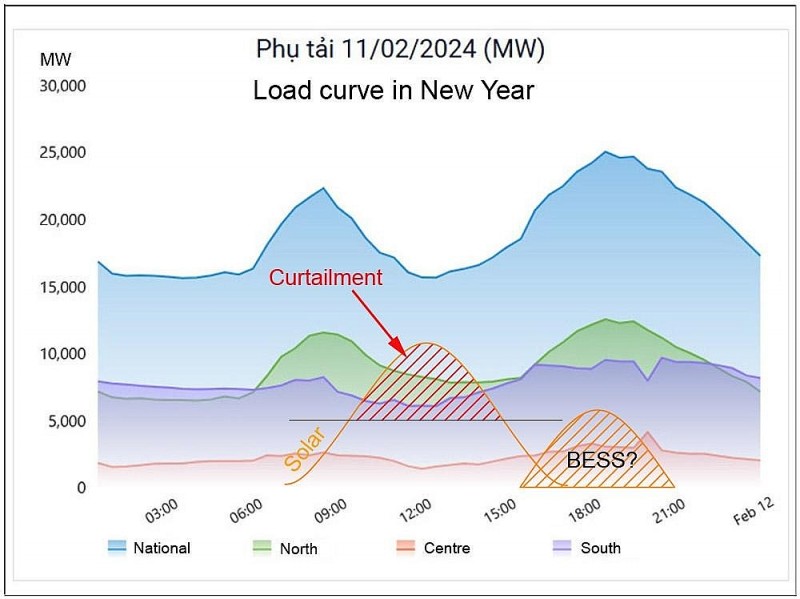 |
| Figure 3: Shifting Solar Energy Output Through BESS Integration |
4. Policy Incentives for BESS
Decision No. 988/QD-BCT dated April 10, 2025, issued by the Ministry of Industry and Trade approving the electricity generation price framework for solar power plants, includes incentive mechanisms for solar power systems integrated with battery energy storage systems (BESS).
As a result, solar power systems integrated with battery storage receive a tariff premium of approximately VND 138–191/kWh compared to solar systems without storage. However, this price difference remains relatively modest.
In 2025, the National Commission for Standards, Metrology and Quality announced 15 Vietnamese Standards (TCVN) related to Energy Storage Systems under the TCVN 14499 series.
China previously required newly installed solar power projects to integrate battery storage systems equivalent to 10–20% of installed capacity, with storage durations ranging from 2–4 hours depending on provincial requirements. However, authorities later found that many of these co-located storage systems were of low quality and, in some cases, unable to discharge electricity effectively during peak demand periods. As a result, starting from 2026, China shifted its policy approach by gradually requiring solar power plants to participate in spot electricity markets and allowing spot market prices to fall below zero in provinces such as Shandong and Zhejiang. This creates stronger market-driven conditions for BESS deployment at solar power plants.
5. Current Challenges
- Residential electricity tariffs in Vietnam are not yet based on time-of-use pricing, limiting incentives for households to install BESS alongside rooftop solar systems. Although smart meter deployment has already reached nearly 100% coverage in major cities — sufficient for piloting time-based electricity pricing for residential users — widespread implementation has yet to occur. Many households still install BESS primarily to shift solar energy usage into evening hours, and adoption rates would likely increase further if residential TOU tariffs were introduced similar to industrial electricity pricing.
- BESS deployment involves potential fire and explosion risks, while clear fire safety and prevention regulations for residential and industrial BESS installations are still lacking.
- Vietnam has not yet established a specific electricity pricing framework for energy storage services. Although the Ministry of Industry and Trade issued Circular No. 62/2025/TT-BCT on the electricity generation price framework and pricing methodology for battery energy storage systems, detailed tariffs and implementation timelines have not yet been finalized. (By comparison, pumped-storage hydropower projects already have a defined pricing framework.)
- Preferential financing sources, including those under the Just Energy Transition Partnership (JETP), are available, but accessing these funds requires comprehensive feasibility studies and project preparation.
6. Conclusion:
Demand for BESS is increasing rapidly, while falling technology costs are making large-scale deployment increasingly feasible. To achieve the target of 16,300 MW of BESS capacity by 2030 under Vietnam’s power development strategy, the country will need supportive pricing mechanisms for energy storage as well as clear fire safety standards and regulations.
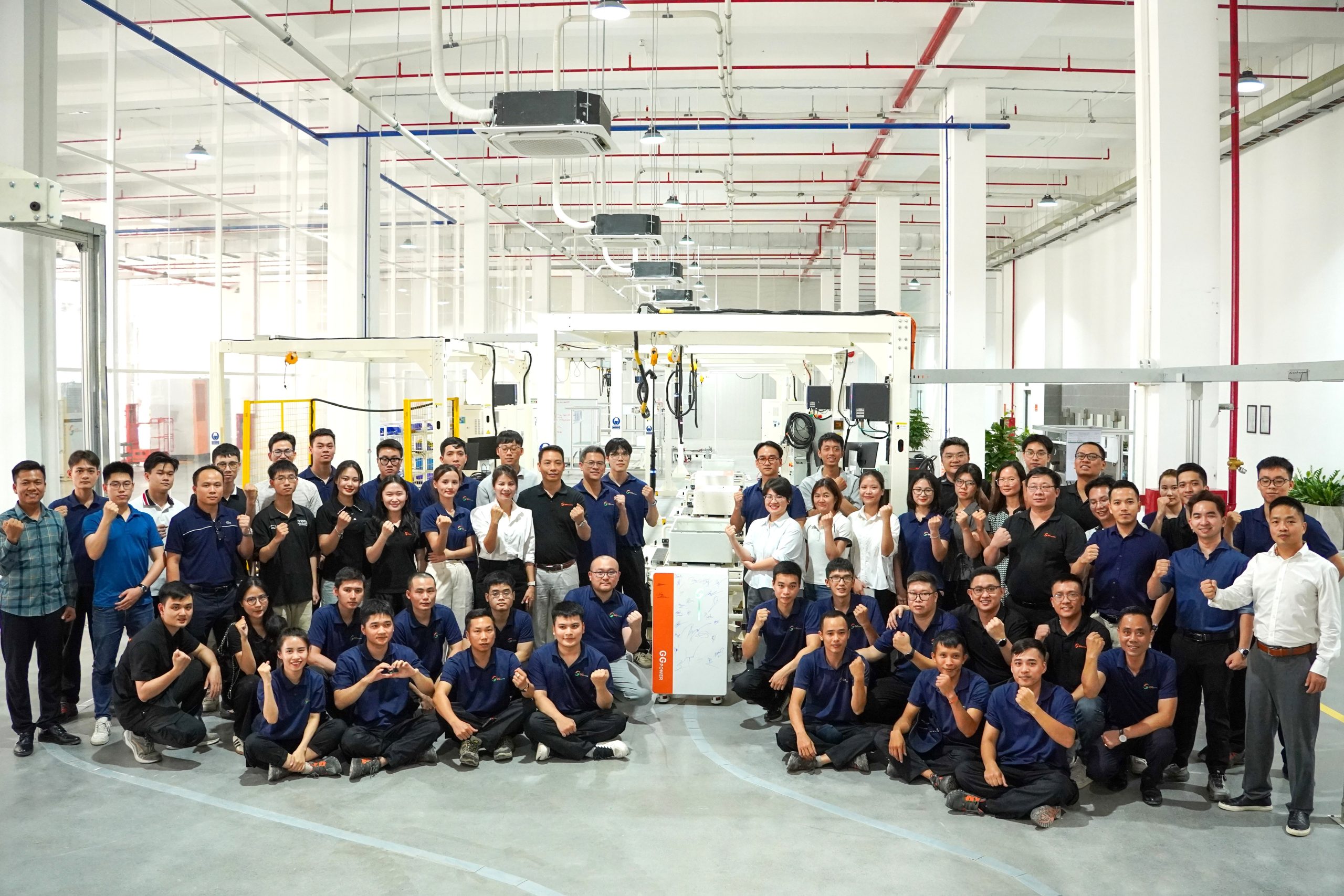
At the same time, developing domestic BESS manufacturing capabilities — beginning with assembly and gradually advancing toward localized production of critical components — will be an important step toward strengthening Vietnam’s energy industry and supply chain resilience.
Source: Editorial Board of Vietnam Energy Magazine