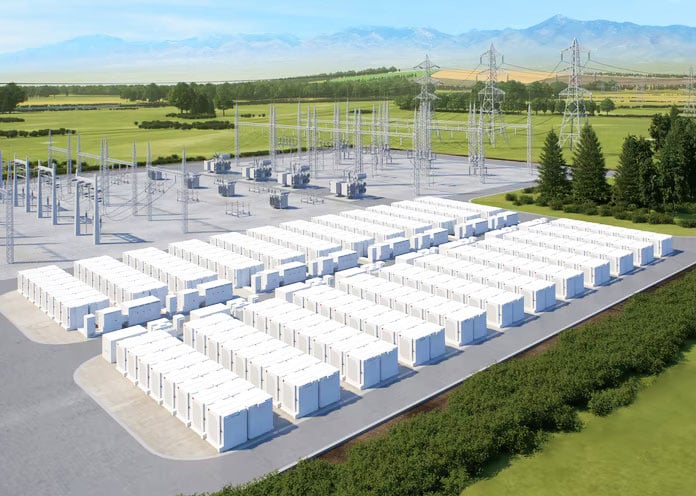
With the market projected to reach several billion USD in scale, Battery Energy Storage Systems (BESS) are emerging as a strategic and high-potential industry for Vietnamese enterprises to participate more deeply in the global value chain, driven by strong technological capabilities.
The rapid expansion of wind and solar power in Vietnam in recent years has raised significant challenges regarding grid stability. Due to their weather-dependent nature, these renewable sources require integrated energy storage systems to balance supply and demand effectively, while alleviating pressure on the national transmission network.
Market analyses indicate that global demand for energy storage batteries continues to grow steadily. In Vietnam, the market size is estimated to reach approximately USD 6 billion by 2030. This projection aligns with the country’s national energy development roadmap, particularly the objectives outlined in the revised Power Development Plan VIII and Resolution No. 70-NQ/TW on ensuring national energy security through 2030, with a vision toward 2045.
Supply–Demand Imbalance and Business Opportunities
As of early 2025, the total installed capacity of energy storage batteries in Vietnam remains modest, estimated at under 100 MW. Meanwhile, the revised Power Development Plan VIII sets a target to increase this capacity to between 10,000 MW and 16,300 MW by 2030.
The significant gap between the current level and the stated targets highlights substantial room for industry growth. To address localized grid congestion and optimize the utilization of existing renewable energy sources, investment in energy storage infrastructure will be essential in the coming phase.
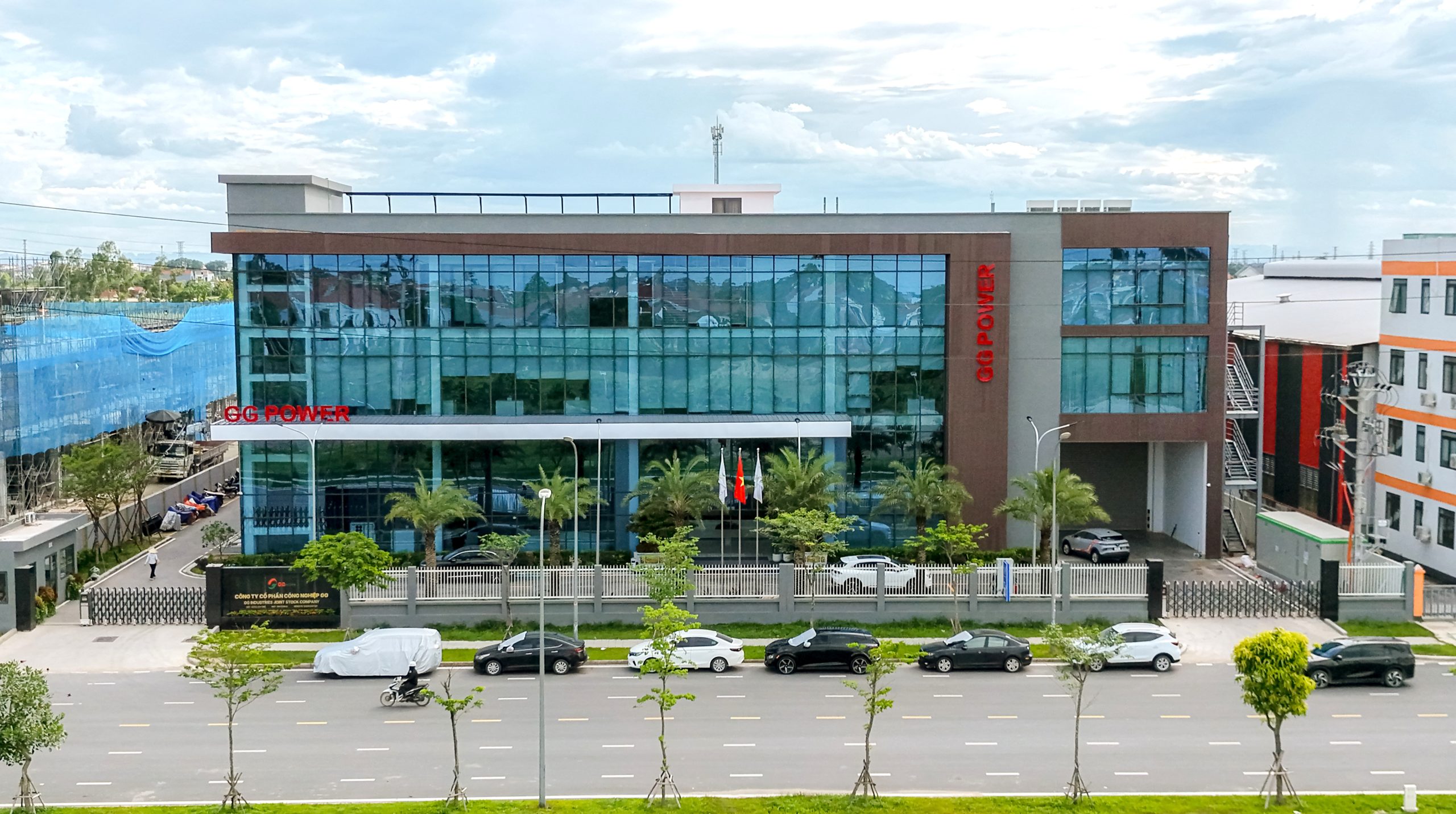
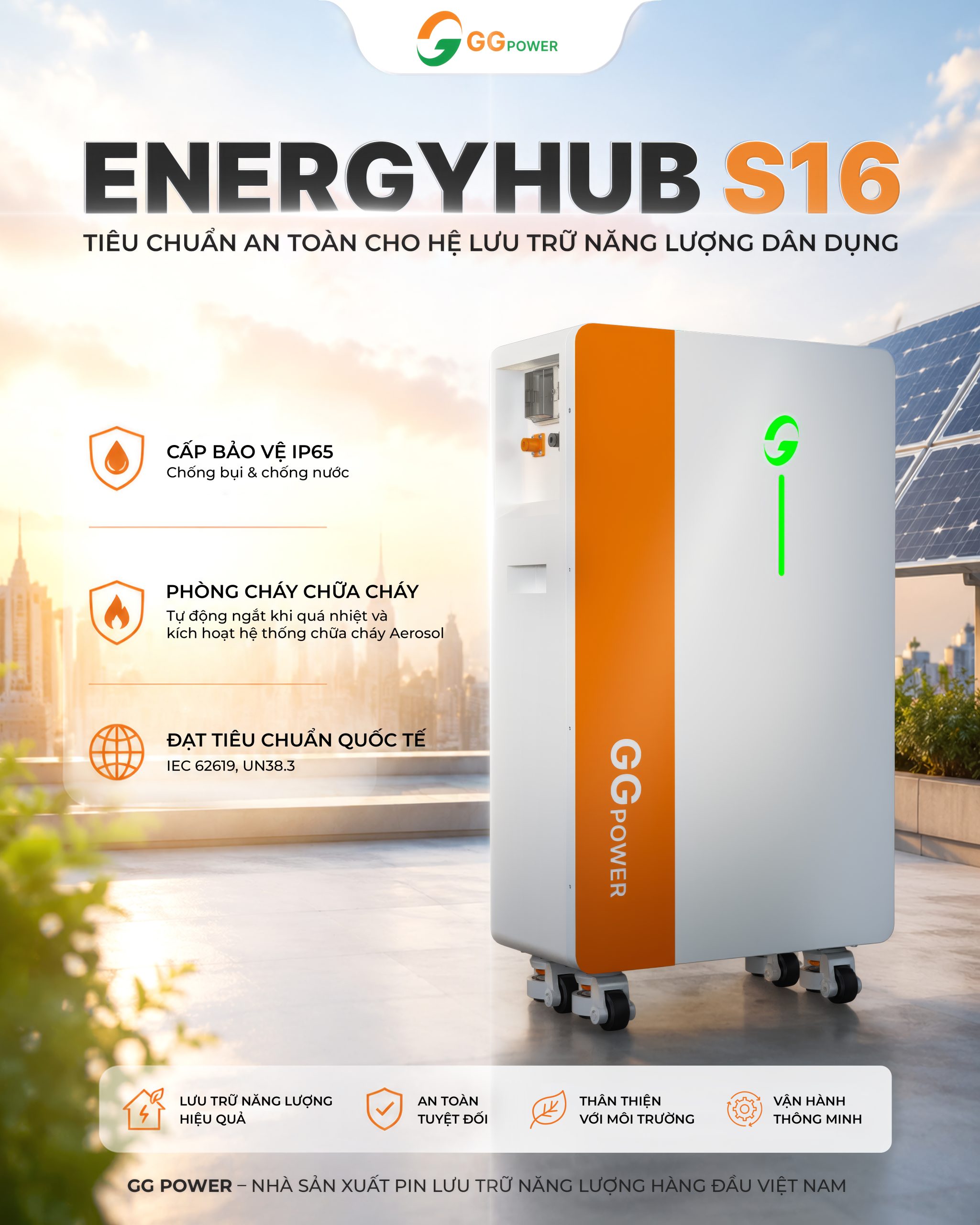
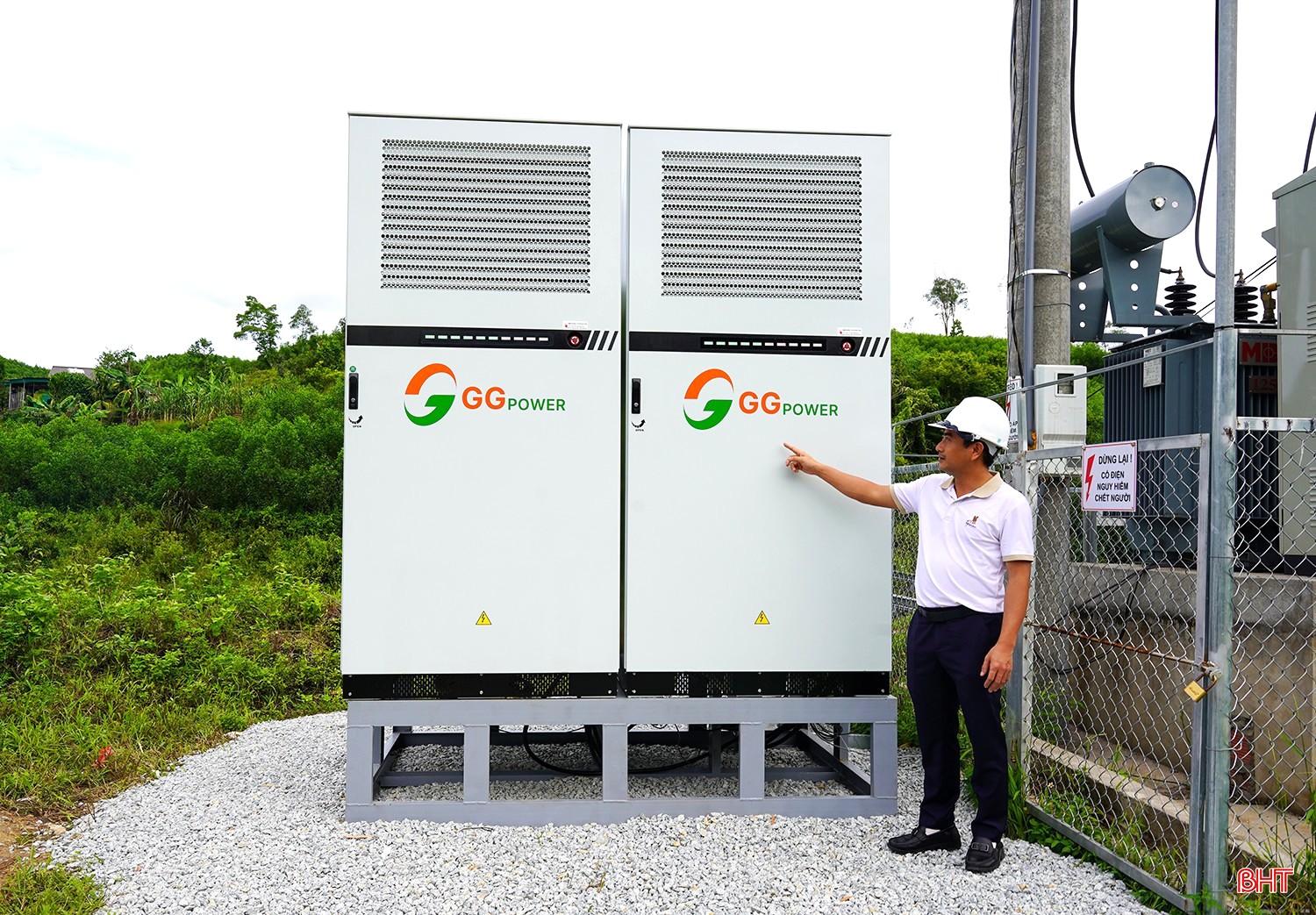
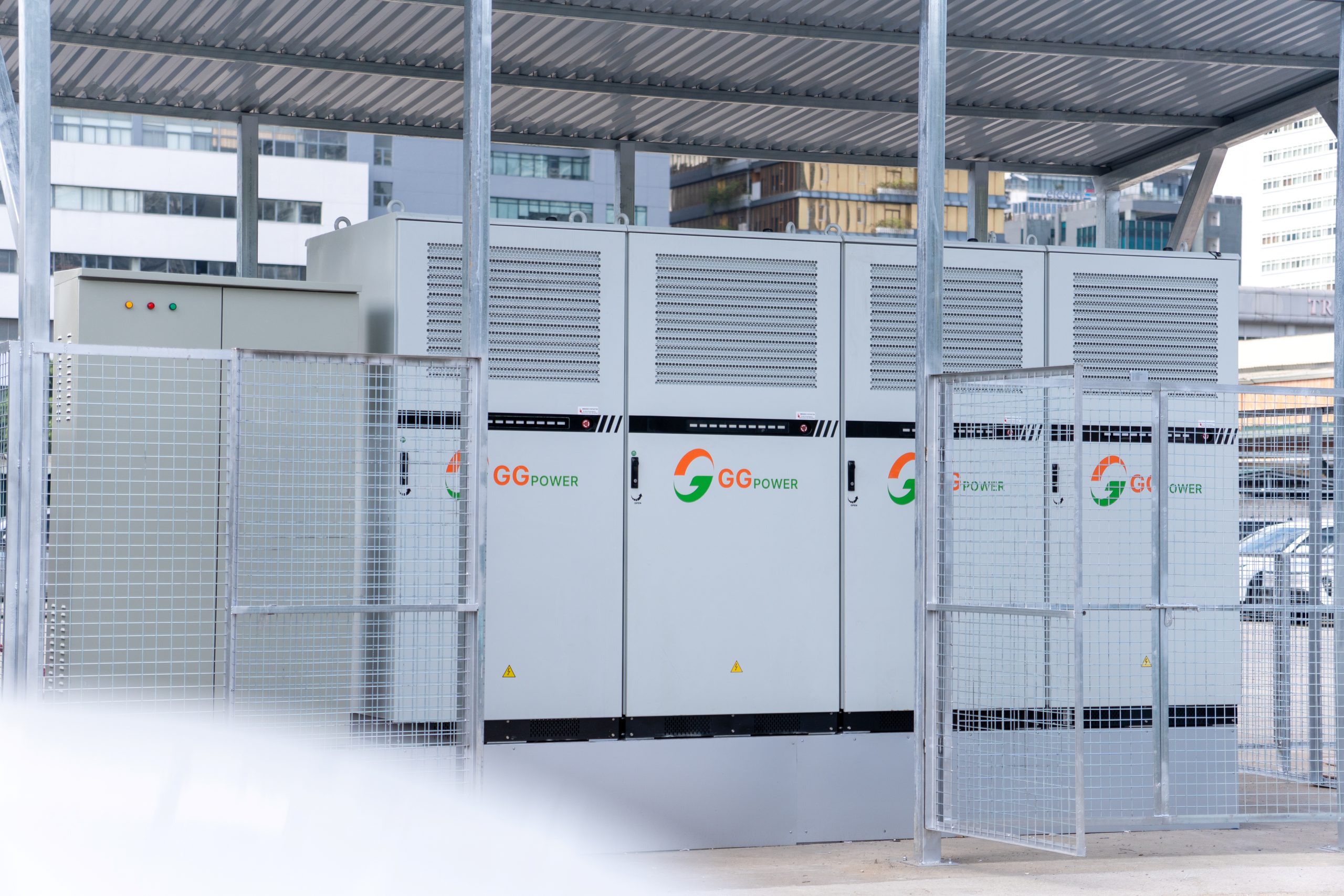
In Vietnam, the BESS market currently includes both international players (such as Goldwind and Schneider Electric) and domestic companies (including GG Industries and VinFast Energy). Rather than limiting themselves to commercial imports, several local enterprises are actively investing in manufacturing capabilities and developing proprietary solutions.

According to Mr. Bui Xuan Binh, Chairman and Chief Executive Officer of GG Industries, in the initial phase, most enterprises focus on downstream activities such as finished product manufacturing and system integration, before gradually moving upstream into cell production and material recycling.
“Partnering with international companies for technology transfer, while leveraging domestic engineering talent to localize products, has become a common and practical approach,” Mr. Binh noted.
Vietnamese Enterprises Possess Strong Competitive Advantages
However, a major challenge for domestic enterprises lies in competition from China — often regarded as the world’s “battery manufacturing hub.” With large-scale production capacity, Chinese companies benefit from significant cost advantages. Nevertheless, according to representatives of GG Industries, Vietnamese enterprises continue to identify meaningful opportunities by leveraging the specific characteristics of the domestic market.
First is flexibility. Large Chinese corporations typically structure their operations to serve massive utility-scale projects. In contrast, Vietnam’s market is highly fragmented, comprising thousands of small- and medium-scale customers (1–2 MW), including factories in industrial parks, office buildings, and residential households. With more agile management structures, Vietnamese companies are better positioned to reach these niche segments and deliver tailored solutions — something global giants may find less efficient to execute.
Second is long-term trust. Energy storage systems have an operational lifespan of up to 20 years. Customers — whether individual households or project developers — require sustained warranty commitments and reliable technical support. The physical presence of manufacturing facilities, engineering teams, and a legally established entity in Vietnam provides significantly greater assurance compared to purchasing equipment from foreign suppliers without a strong local footprint.
Therefore, the upcoming launch of Vietnam’s high-automation energy storage battery manufacturing plant is expected to serve as a critical stepping stone, enabling the country’s energy supporting industries to integrate more deeply into the global value chain.
In the long term, the advancement of storage technologies is closely linked to Vietnam’s substantial offshore wind potential (estimated at approximately 600 GW). Mastery of energy storage technology would provide a solid foundation for the development of green hydrogen production, positioning Vietnam toward its ambition of becoming a clean energy exporter in the future.
Source: VnEconomy