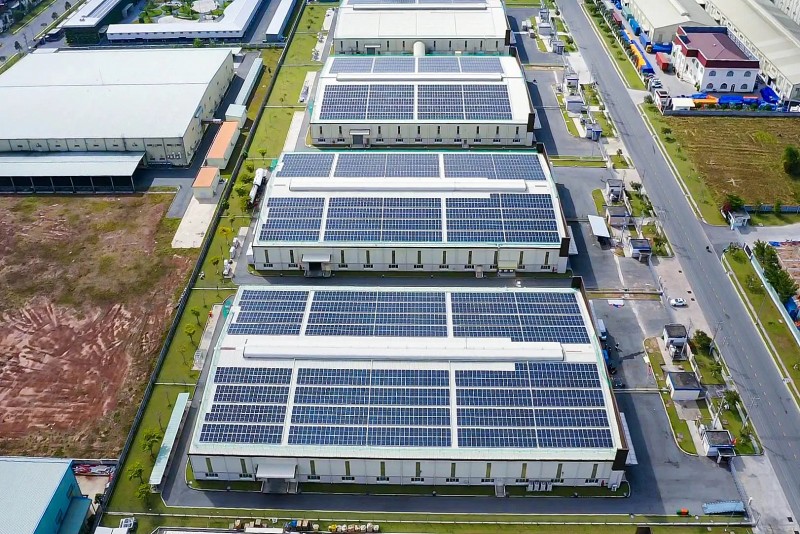
In the context of the global energy transition and the Vietnamese Government’s commitment to achieving Net Zero by 2050, greening industrial parks (IPs) is no longer an option but a critical necessity. Emerging trade barriers such as the EU’s Carbon Border Adjustment Mechanism (CBAM) and Corporate Sustainability Reporting Directive (CSRD) are exerting direct pressure on domestic export-oriented enterprises, requiring them to demonstrate that their products are manufactured using clean and traceable energy sources.
A field survey conducted across four representative industrial parks — Amata and Long Duc (Dong Nai), as well as Kinh Bac (Que Vo) and VSIP (Bac Ninh) — provides a multidimensional overview of the current landscape, highlighting both progress and the legal and technical bottlenecks associated with the deployment of rooftop solar power and battery energy storage systems (BESS).
1. Current Status of Rooftop Solar Deployment
Regional disparities are evident. Survey results indicate a clear divergence in readiness levels and rooftop solar adoption rates between Southern and Northern Vietnam.
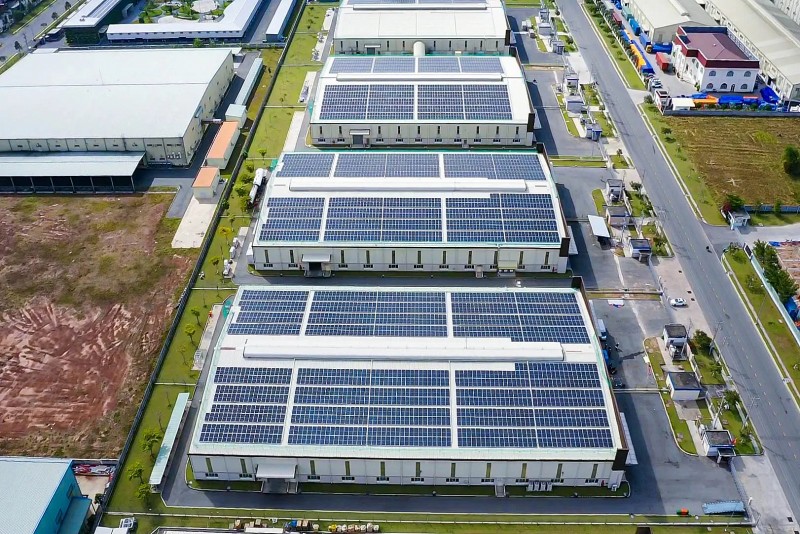
In the Southern region (Dong Nai): Amata Bien Hoa Industrial Park stands out as a frontrunner, achieving 87% compliance with the International Framework for Eco-Industrial Parks. The park has optimized approximately 108,000 m² of rooftop area across 14 factories to install 18,000 kWp of rooftop solar capacity, contributing to an annual reduction of around 13,000 tons of CO₂ emissions.
Meanwhile, Long Duc Industrial Park has approximately 10 MW of rooftop solar capacity already in operation. However, the park’s management currently caps the penetration rate at 20% of total installed capacity in order to ensure the safety and stability of the internal power grid.
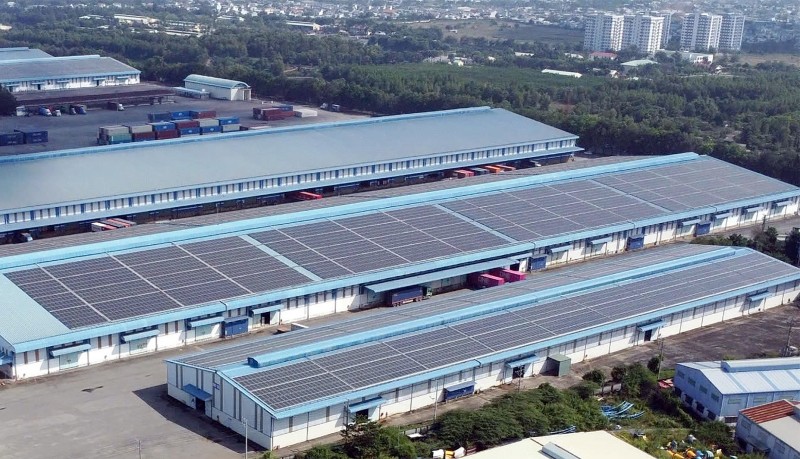
Meanwhile, in the Northern region (Bac Ninh): The pace of development has been noticeably slower. At VSIP and Kinh Bac Industrial Parks, the share of factories equipped with rooftop solar currently remains below 10%. This is mainly due to Northern Vietnam’s climatic conditions, where limited sunshine during winter results in significantly lower solar irradiation efficiency compared to the South. In addition, enterprises in Que Vo Industrial Park continue to face challenges in obtaining regulatory approvals, as local guidelines remain insufficiently clear and consistent.
2. Energy Storage Systems (BESS):
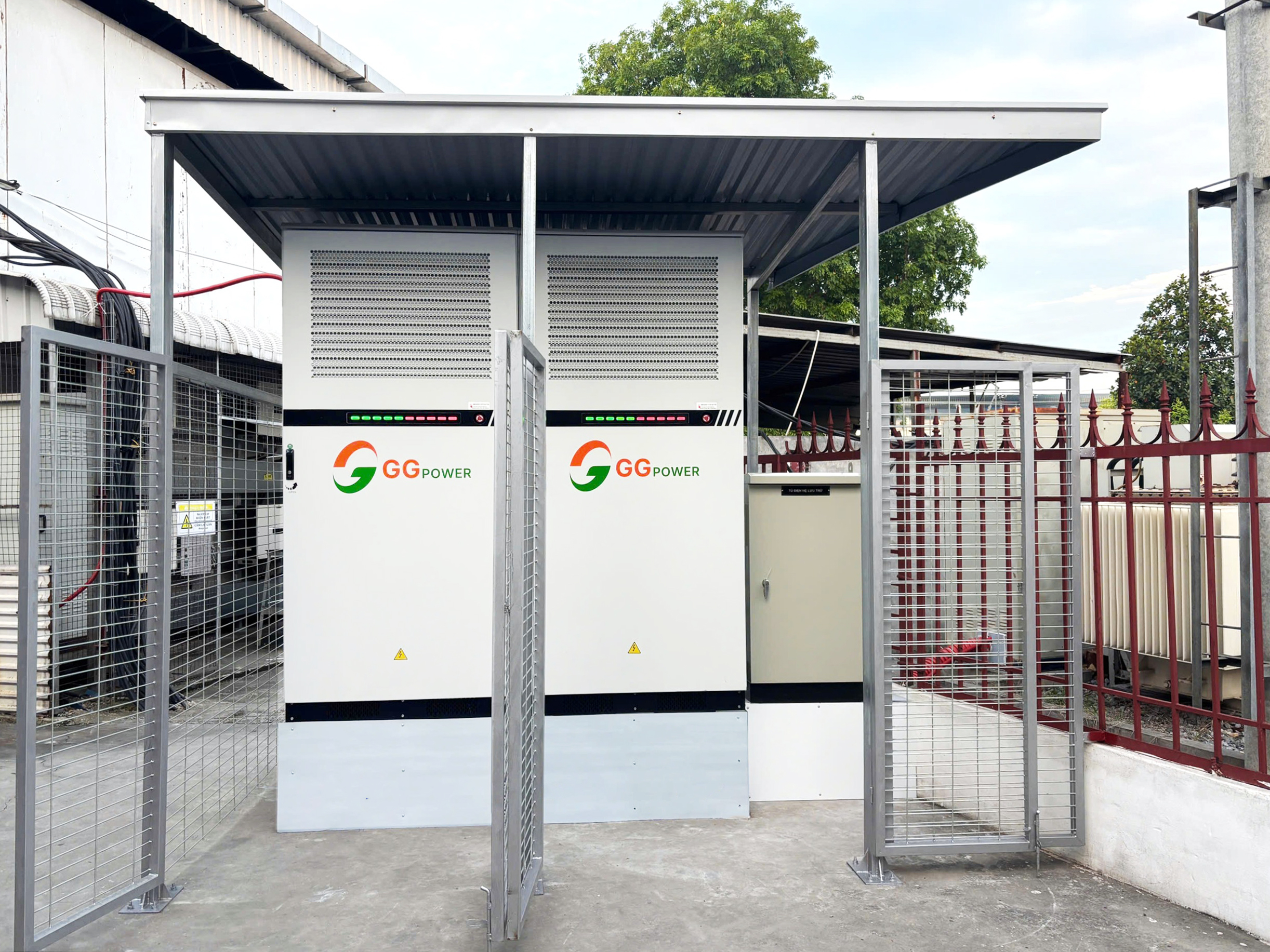
BESS is viewed by industrial park developers as a key solution to address voltage fluctuations and enable peak shaving. However, the biggest barrier at present remains the high upfront investment cost, making the economic case less attractive without preferential financing or incentive mechanisms.
Currently, most of the surveyed industrial parks have not deployed BESS at scale, remaining at the research or planning stage, with implementation expected only after 2025. Among them, Long Duc Industrial Park has shown particular interest in BESS as a means of storing electricity during off-peak hours and discharging it during peak periods, thereby stabilizing power quality for Japanese tenants operating high-precision equipment.
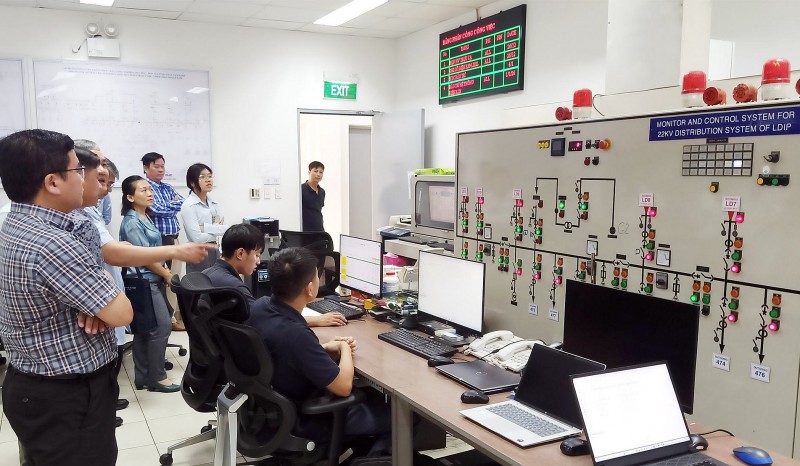
3. Technical bottlenecks and construction standards
A major challenge identified at Long Thanh (Amata) Industrial Park is the change in technical standards. The new load standard (TCVN 2737:2023) introduces significant revisions to wind load calculations compared to the 1993 standard. Many existing factories designed under the 1993 standard no longer meet the structural requirements to install rooftop solar systems (averaging 15–16 kg/m²) unless steel structures are reinforced. Reinforcing operating factories is extremely difficult and usually only feasible when facilities are vacant or tenants change, slowing down the greening of existing industrial buildings.
4. Legal barriers and energy management models
The survey also highlights a lack of regulatory consistency as a major deterrent for both industrial park developers and tenants. Although Decree 57/2025 on the Direct Power Purchase Agreement (DPPA) mechanism has been issued, industrial parks still face difficulties due to the absence of detailed guidance on internal electricity trading among enterprises within the same park.
Another issue is rooftop ownership disputes. In most industrial parks, rooftops are owned by tenants under 50-year leases. If a tenant goes bankrupt while a third-party ESCO has invested in a rooftop solar system, asset handling and power purchase contracts become highly complex.
In addition, fire prevention and environmental regulations require re-approval of fire safety systems when rooftop solar installations alter roof functionality, leading to increased time and costs for businesses.
5. Environmental risks during operation
A less-discussed but critical issue raised by Long Duc Industrial Park concerns wastewater treatment during panel cleaning. Cleaning processes often use chemicals or detergents, while rooftop drainage systems typically discharge into rainwater systems rather than industrial wastewater networks. This poses serious environmental compliance risks if chemical residues pollute water sources.
Furthermore, there is still no national standard for end-of-life solar panel treatment (electronic waste), creating uncertainty around long-term responsibility for infrastructure investors.
Conclusion and recommendations
The survey across four industrial parks shows strong demand for green energy to meet international standards. To accelerate progress, coordinated solutions are needed:
-
Policy: Expedite detailed DPPA implementation guidelines for industrial parks and simplify permitting for self-consumption rooftop solar.
-
Finance: Connect industrial parks with green finance sources and green bonds to support investment in BESS and structural reinforcement.
-
Management: Promote a “single-point” energy management model (microgrid) within industrial parks to ensure fair clean power distribution and grid safety.
Greening industrial parks is not merely about installing solar panels—it is a systemic challenge requiring balance among technical risks, economic viability, and legal clarity. Once these bottlenecks are resolved, green energy can become a powerful magnet for high-quality FDI into Vietnam.
According to Dr. Nguyen Anh Tuan (B), Scientific Council, Vietnam Energy Magazine.